
 ENGINEER REVIEWED
01
Thin-Walled Aluminum Machining
Housings, frames and structural parts with balanced material removal.
Machine lightweight housings, enclosures, frames and structural parts with a process designed around wall movement, fixture pressure and finishing risk.
Upload STEP or Parasolid files with a controlled PDF drawing, material, quantity, finish and inspection requirements.
Machine lightweight housings, enclosures, frames and structural parts with a process designed around wall movement, fixture pressure and finishing risk. Mockup connects DFM, process selection, workholding and inspection before material is released.
Each route is reviewed from the drawing, functional datums, material behavior, quantity and required evidence.
ENGINEER REVIEWEDHousings, frames and structural parts with balanced material removal.
 ENGINEER REVIEWED
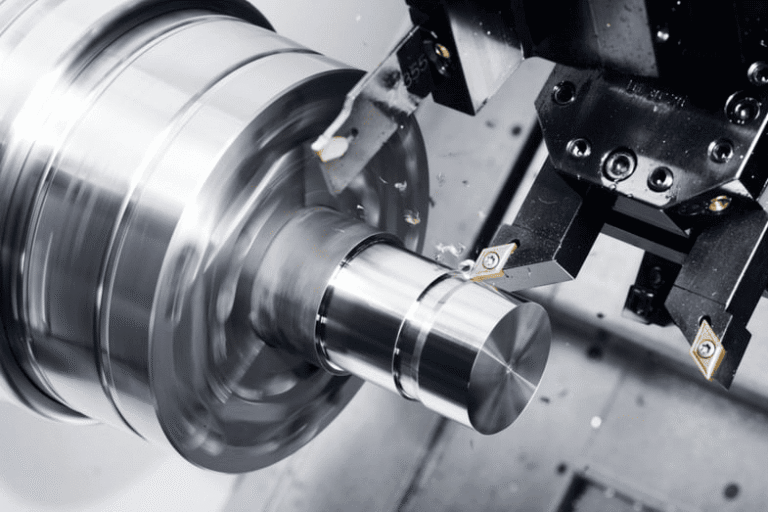
Controlled finishing passes for tall, unsupported or cosmetic walls.
 ENGINEER REVIEWED
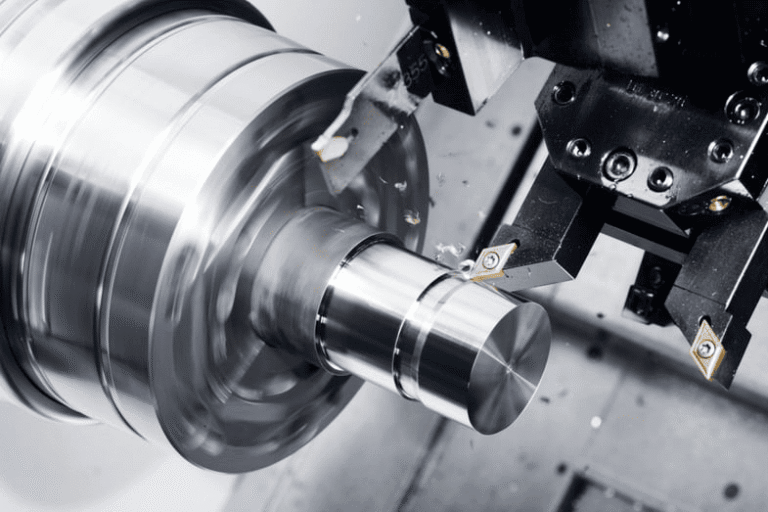
Support strategies that locate the part without introducing clamp distortion.
 ENGINEER REVIEWED
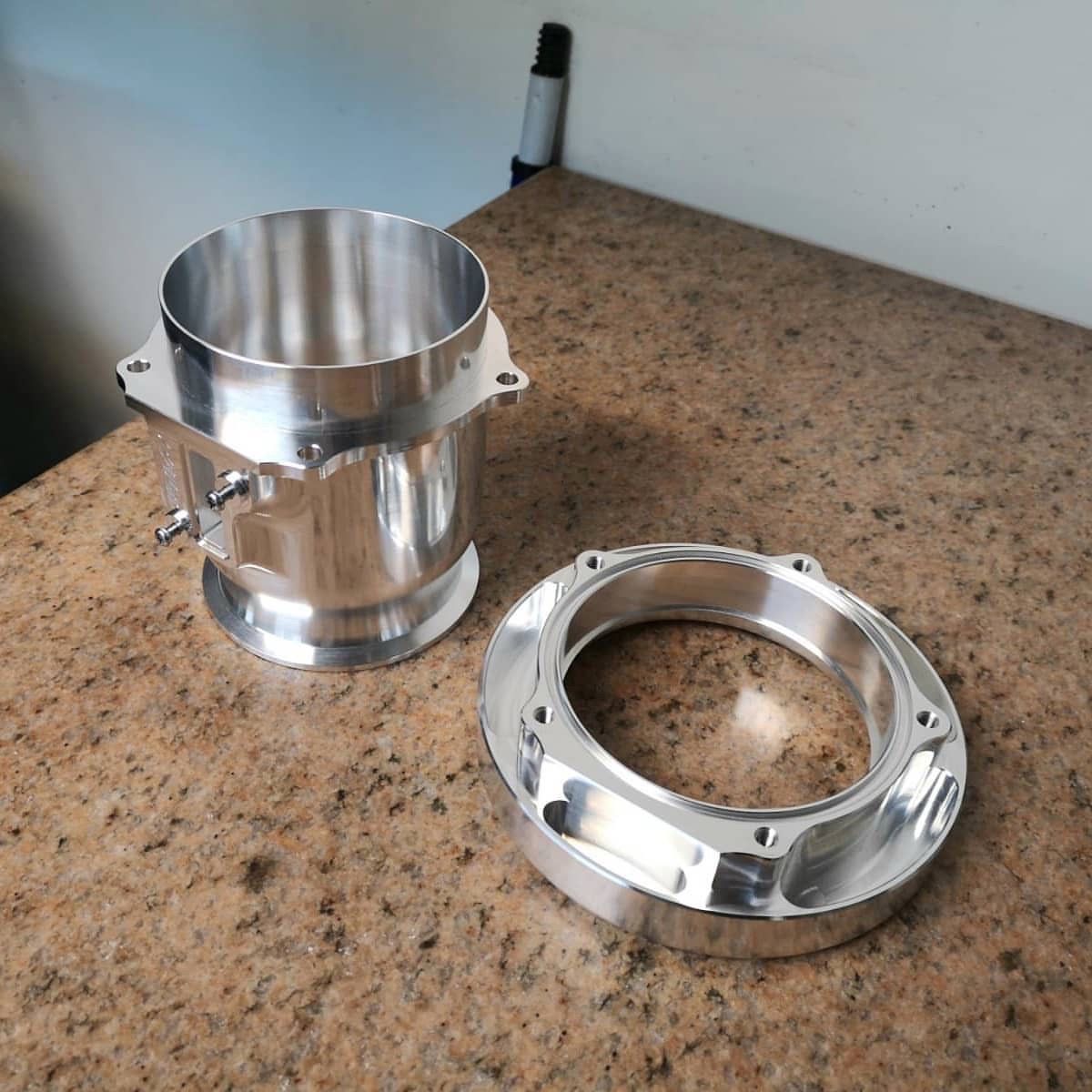
Critical geometry verified after the part is released from workholding.
 ENGINEER REVIEWED
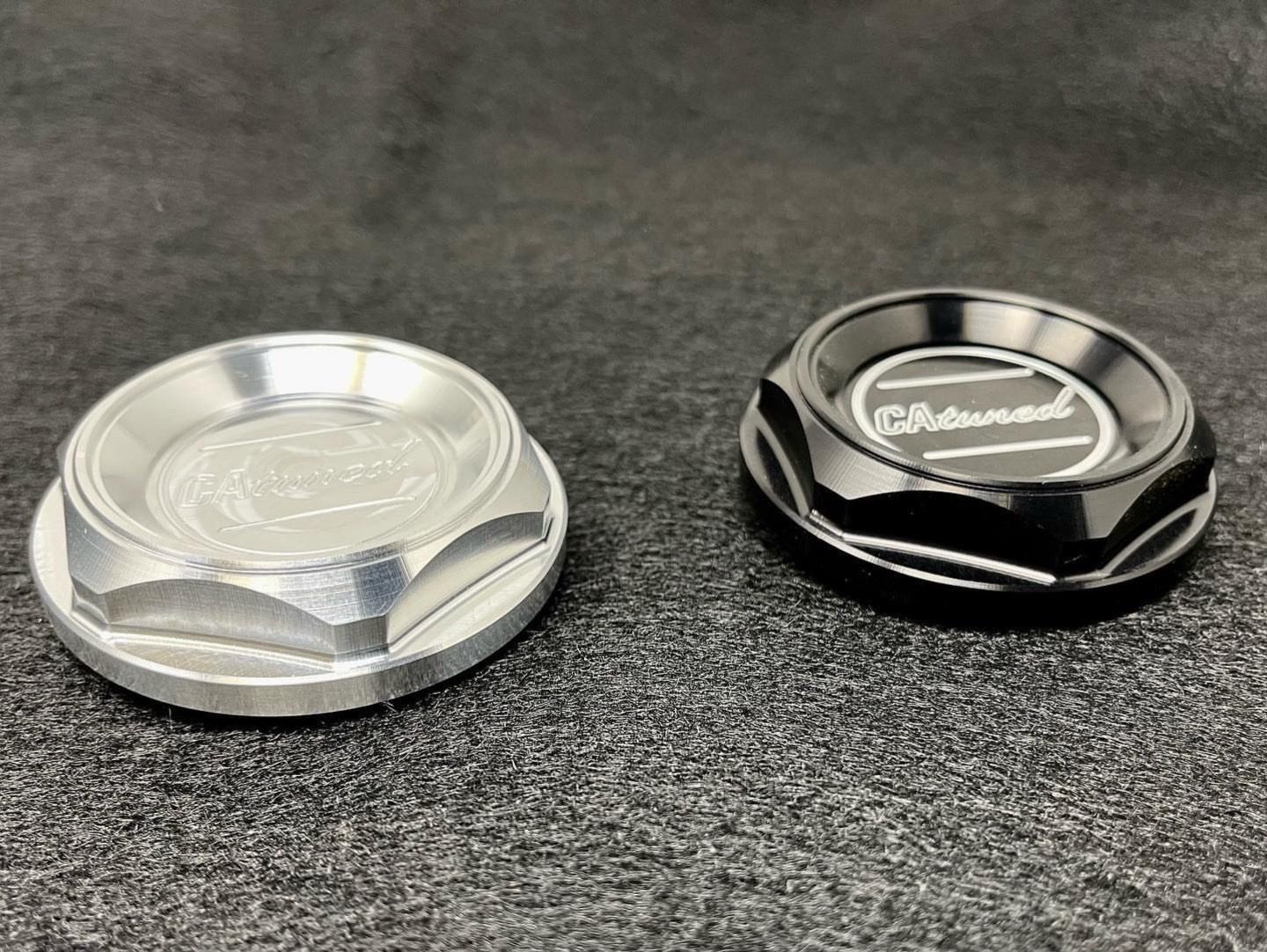
Carry the approved sequence and inspection plan into later batches.
 ENGINEER REVIEWED
Coordinate anodizing, coating and final dimensional acceptance.
Compare manufacturing routes against geometry, material, quantity and the feature that controls acceptance.
Fast roughing
Balanced stages
Higher release stress
Reduced movement risk
General geometry
Weak walls and pockets
Simple fixtures
Supported fixtures
Stable, rigid parts
Lightweight precision parts
Lower planning input
More engineering control
Keep engineering assumptions, revision and acceptance criteria connected throughout the order.
Confirm geometry, material, quantity, CTQ features and open questions.
Choose operations, tools, datums, fixture strategy and inspection points.
Run the approved sequence with in-process checks where risk requires them.
Inspect the delivered condition and supply agreed records.
These values define the review inputs. The approved quotation and drawing control final capability.
A result is useful only when the functional requirement and the evidence used to accept it are aligned.
A result is useful only when the functional requirement and the evidence used to accept it are aligned.
Resolve access, datum and inspection questions before manufacturing release.
Use ribs, radii or temporary support where function permits.
Avoid releasing all residual stress from one side in a single operation.
Identify walls, datums and faces that control fit or appearance.
State whether dimensions apply before or after anodizing or coating.
Manufacturing routes are adapted to the functional geometry and program stage.
Electronics, aerospace and optical enclosures with deep pockets.
Weight-reduced structures with controlled datum relationships.
Compact covers and mechanisms where assembly clearance matters.
Upload the current 3D model and controlled drawing with material, quantity, finish, critical characteristics and inspection requirements.
Upload CAD files↗There is no universal cutoff. Risk depends on wall height, span, material, nearby geometry, tolerance and workholding.
Yes. Alloy, stock condition, sequence, support, finishing and inspection are reviewed as one route.
Balanced roughing, staged finishing, low-force workholding, stable tooling and free-state verification are common controls.
A STEP or Parasolid model plus a drawing identifying material, critical walls, datums, finish and inspection needs.
Send the complete CAD package and identify the features that control fit, motion, sealing, appearance or performance.