
Mixed-Process Manufacturing
Combine CNC machining, turning, sheet metal fabrication, 3D printing, finishing and assembly for equipment containing different part types.
Mockup manufactures custom parts and assemblies for automated equipment, production lines, motion systems and factory machinery. CNC machining, sheet metal fabrication, 3D printing, finishing and assembly support projects from machine development through repeat equipment builds.
Send your machine assembly, drawings, BOM and critical interfaces for manufacturing and engineering review.
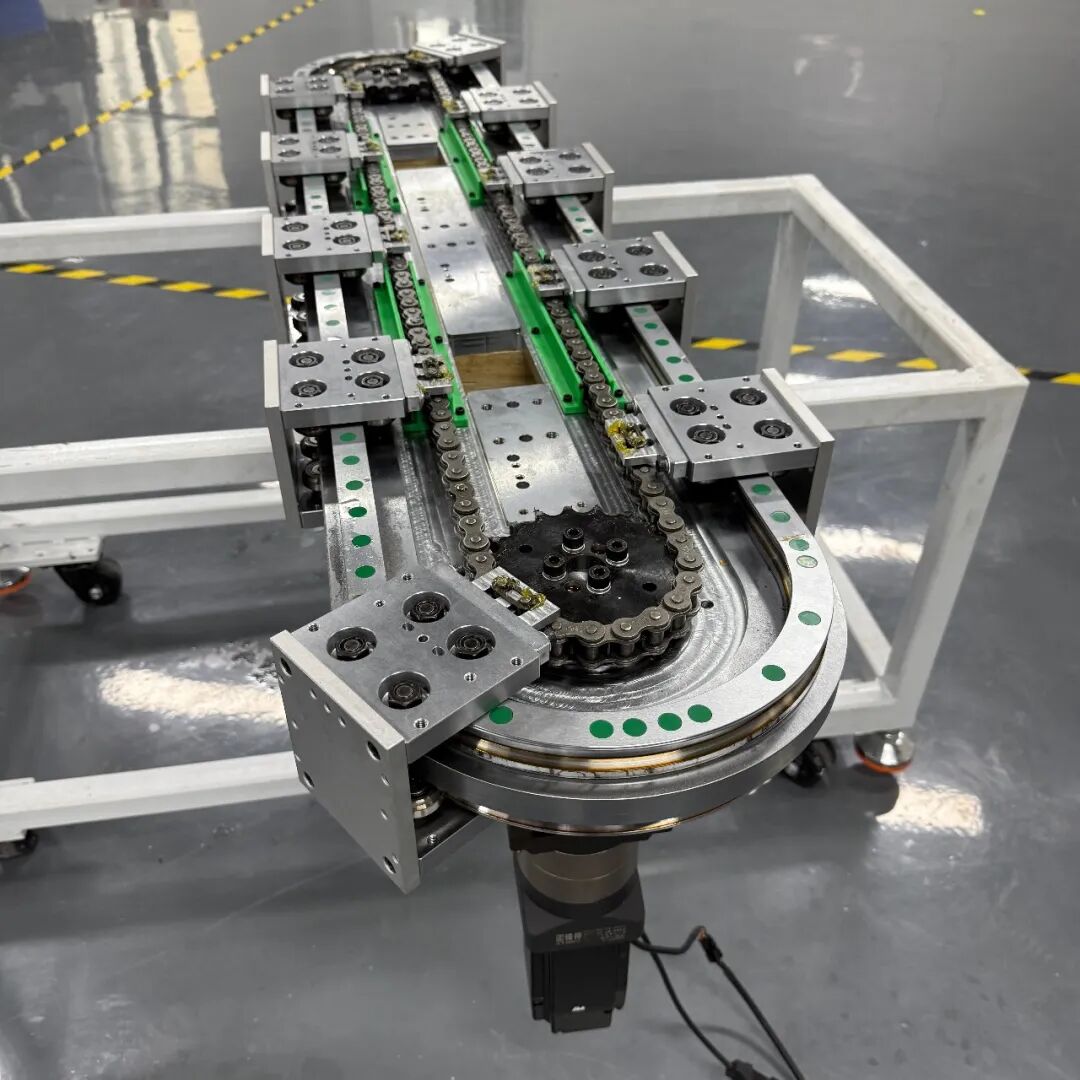
Automation equipment brings precision components, fabricated structures, motion hardware, sensors and tooling into one mechanical system.
Mockup coordinates different manufacturing processes so parts arrive ready to fit the machine rather than being managed as disconnected orders.
Combine CNC machining, turning, sheet metal fabrication, 3D printing, finishing and assembly for equipment containing different part types.
Manufacture bearing locations, linear-motion interfaces, motor mounts, shaft features and machine datums around their assembly relationships.
Produce nests, fixtures, grippers, tooling plates and changeover components for automated production equipment.
Support one-off equipment, pilot machines, production cells and repeat machine builds without requiring mass-production quantities.
Respond to engineering revisions during machine development without rebuilding the complete manufacturing route.
Hardware installation and mechanical subassembly can reduce work required during final machine integration.
Automation systems depend on mechanical components working together across motion, positioning, sensing, handling and guarding.
Mockup supports machine builders with prototype components, custom tooling, equipment structures and repeat-build parts using production-intent materials.
Approved drawings, materials, finishes and inspection requirements can be carried into subsequent machine builds.
Start an automation manufacturing project ↗Industrial automation rarely depends on one manufacturing technology. Structural parts, precision motion components and protective equipment each need a different production route.
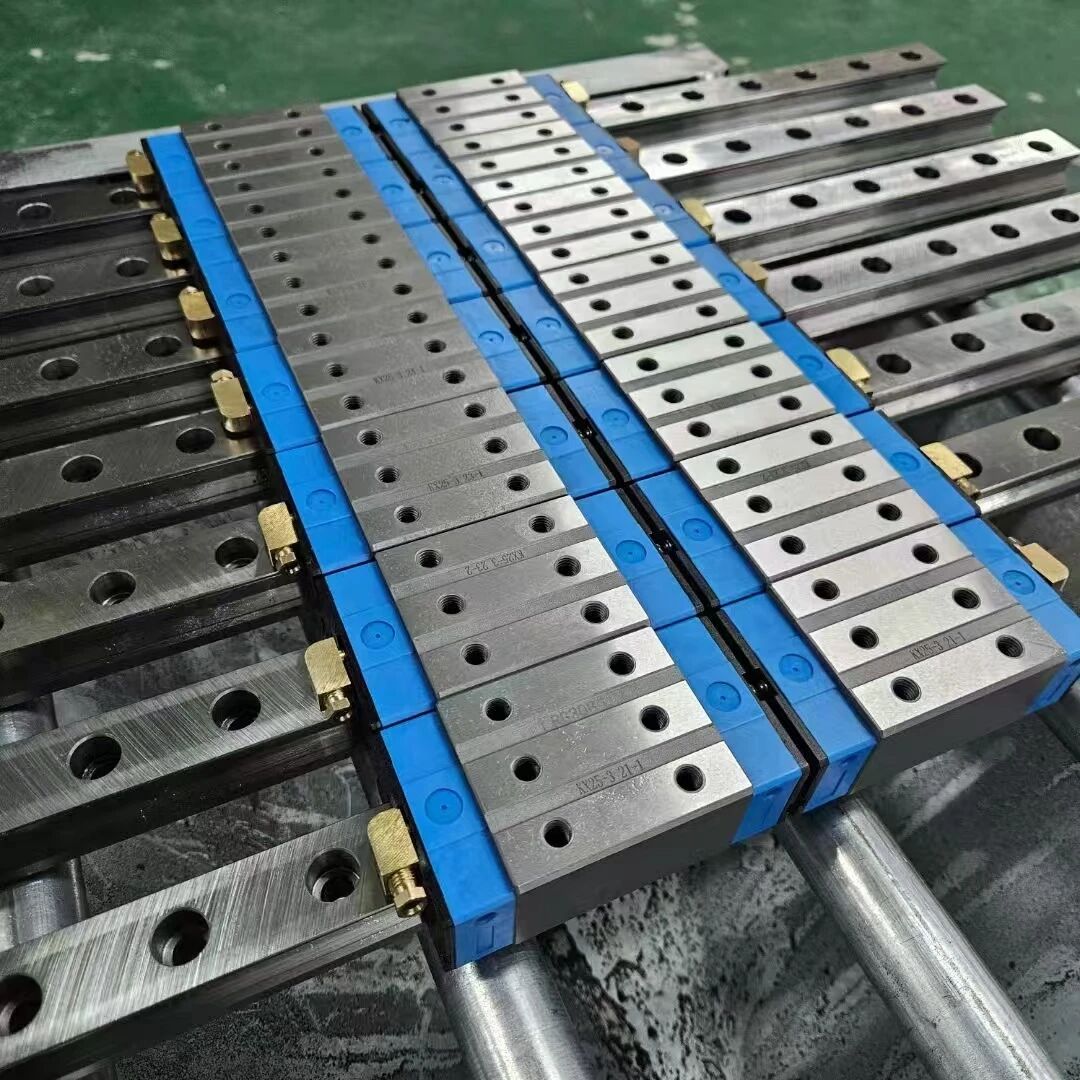
For tooling plates, machine bases, fixtures, brackets, motor mounts and components requiring controlled datums and hole patterns.
Explore service↗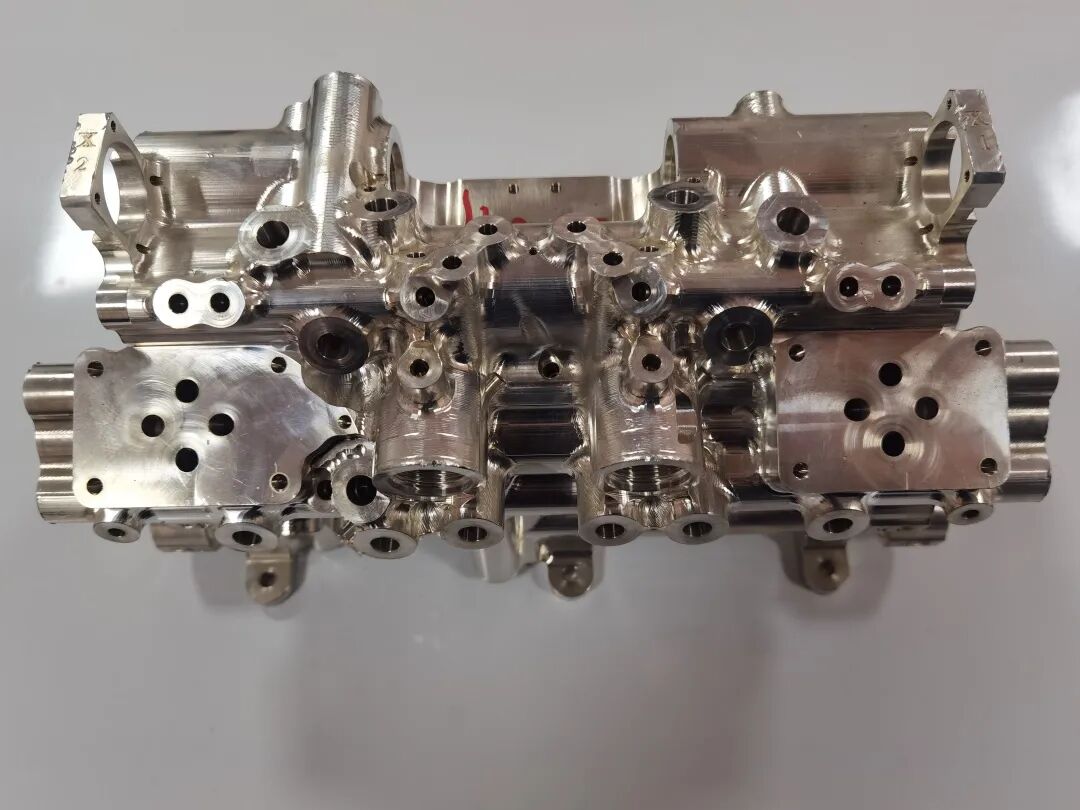
For complex grippers, end effectors, housings and automation components with features across multiple faces.
Explore service↗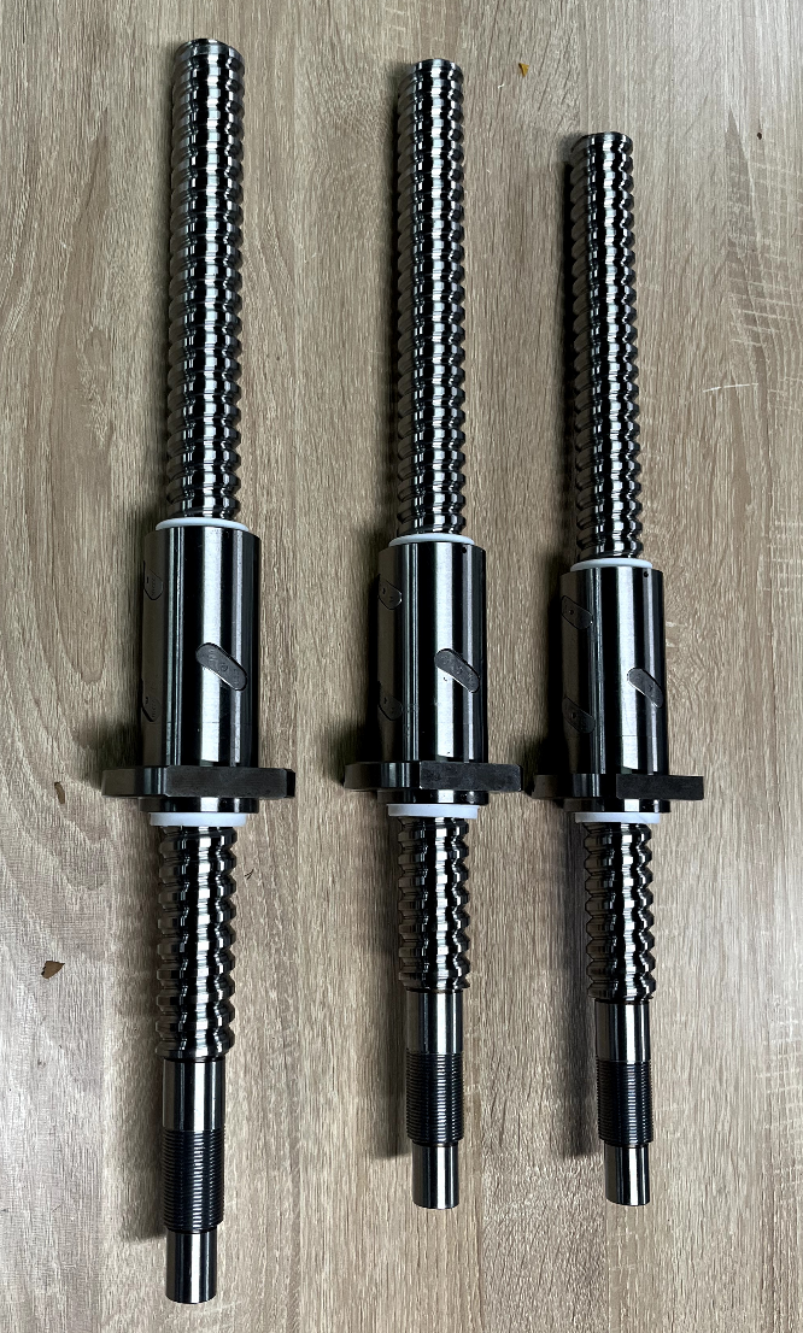
For shafts, pins, bushings, rollers, spacers and rotational components requiring controlled diameters and concentricity.
Explore service↗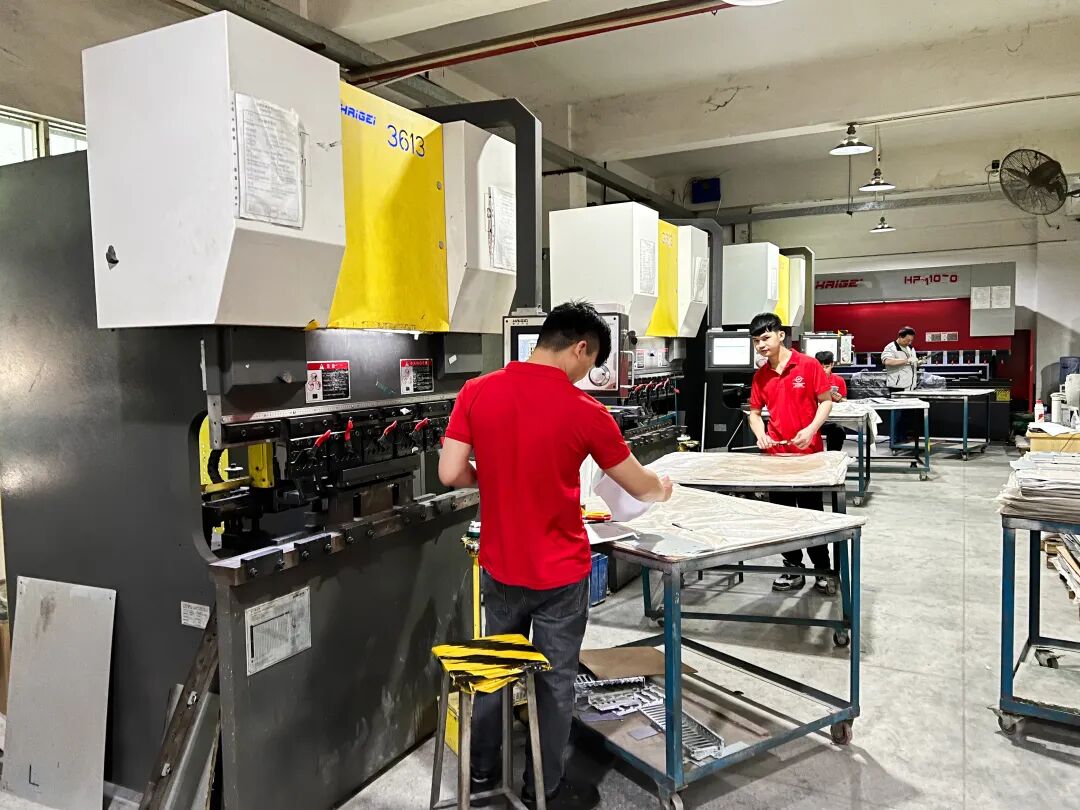
For machine guards, cabinets, panels, covers, trays and equipment structures using cutting, bending, welding and hardware installation.
Explore service↗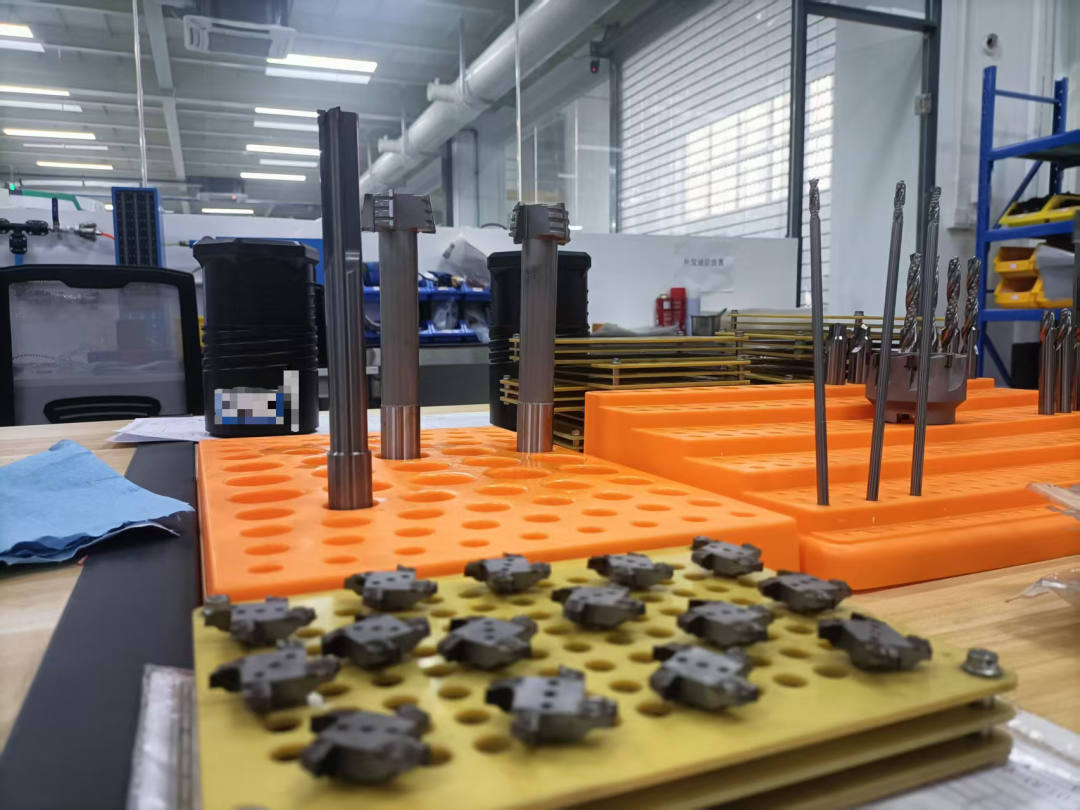
For sensor brackets, cable guides, ducts, gripper components, guards and fast-turn design iterations.
Explore service↗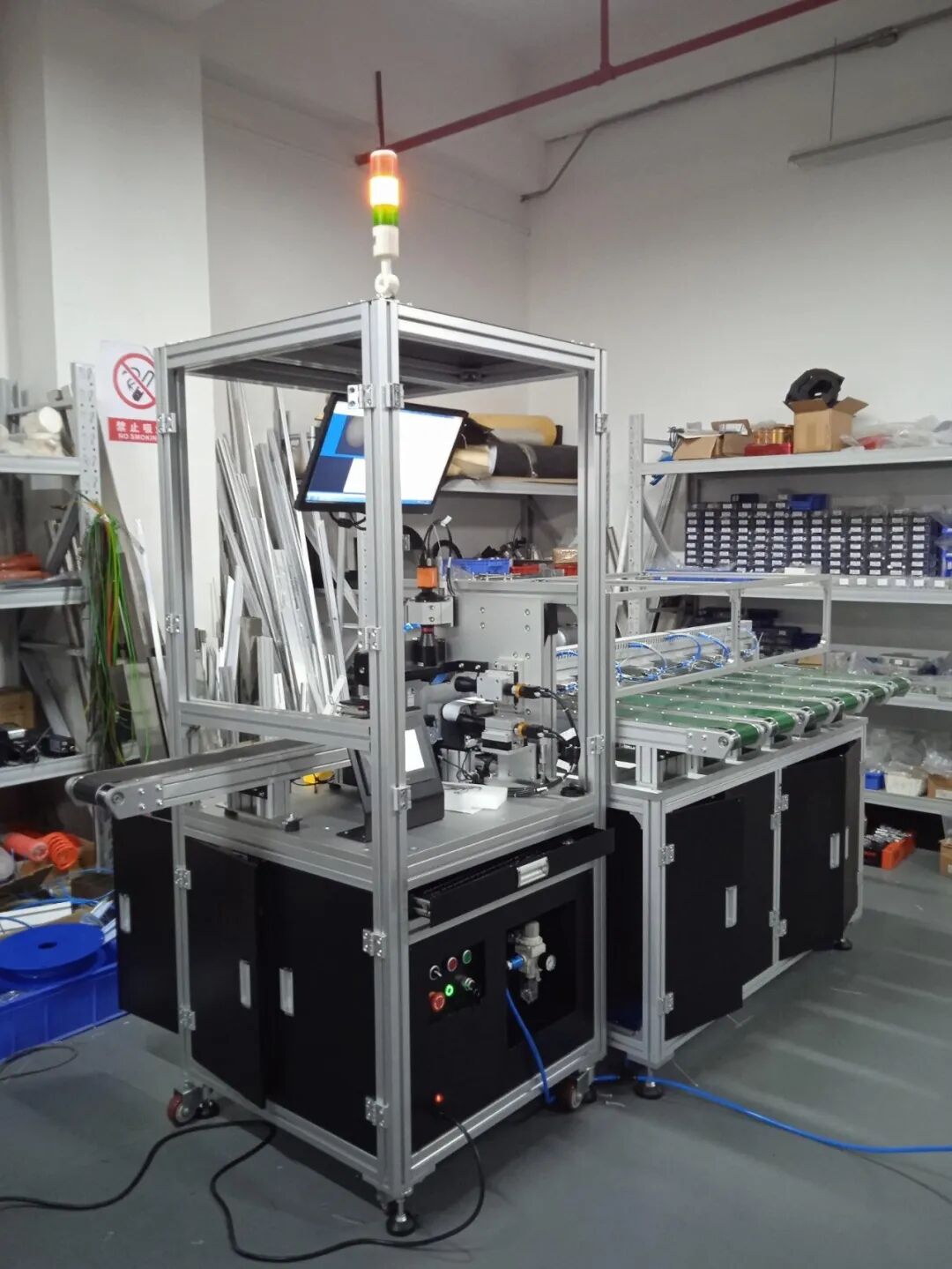
Combine machined parts, fabricated components, bearings, inserts and specified hardware into mechanical subassemblies.
Explore service↗Material and finishing choices should follow the loads, wear conditions and environment of each machine component.
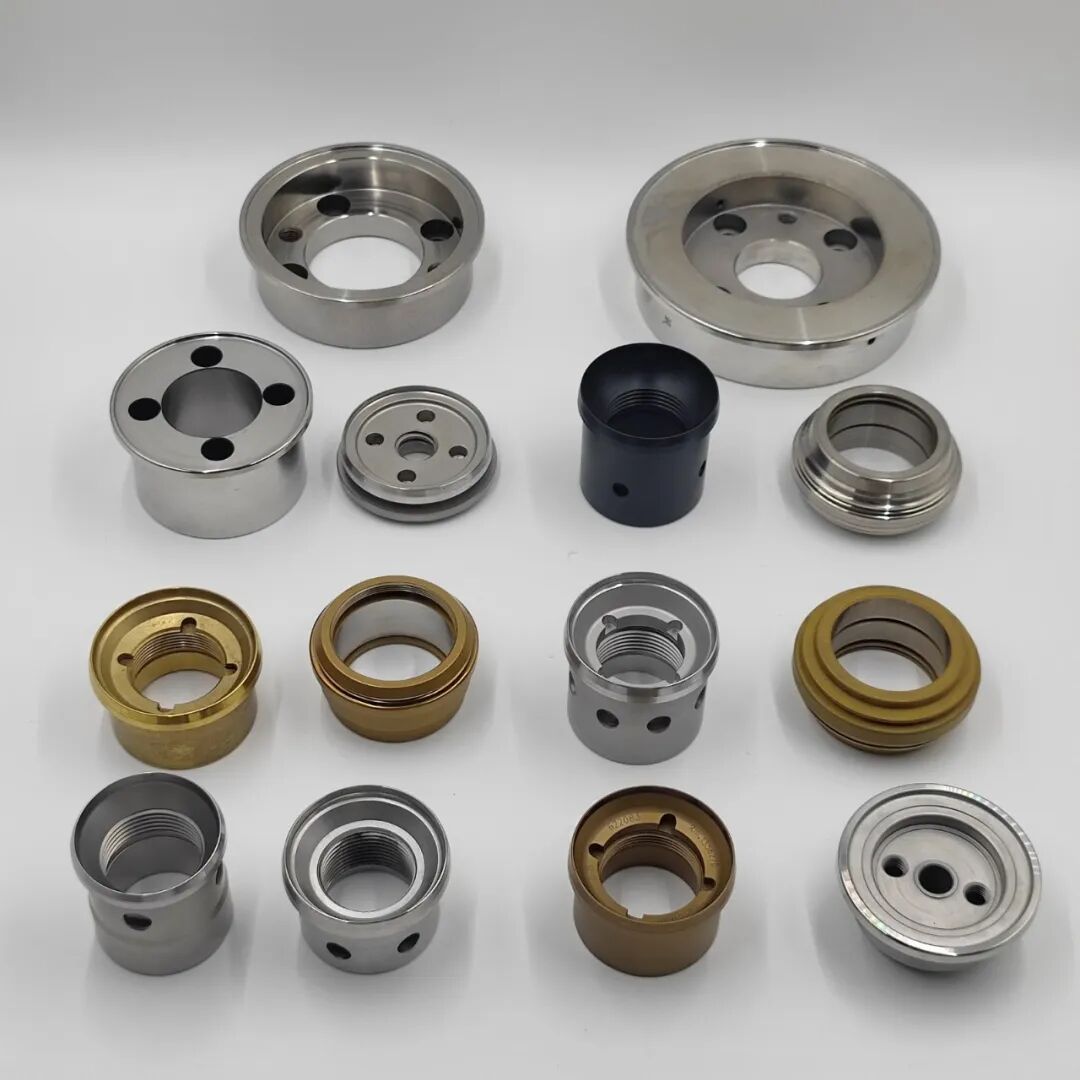
Aluminum 6061 and 7075, Stainless Steel 304 and 316, carbon steel, alloy steel, tool steel, POM, nylon and PEEK.
View All Materials ↗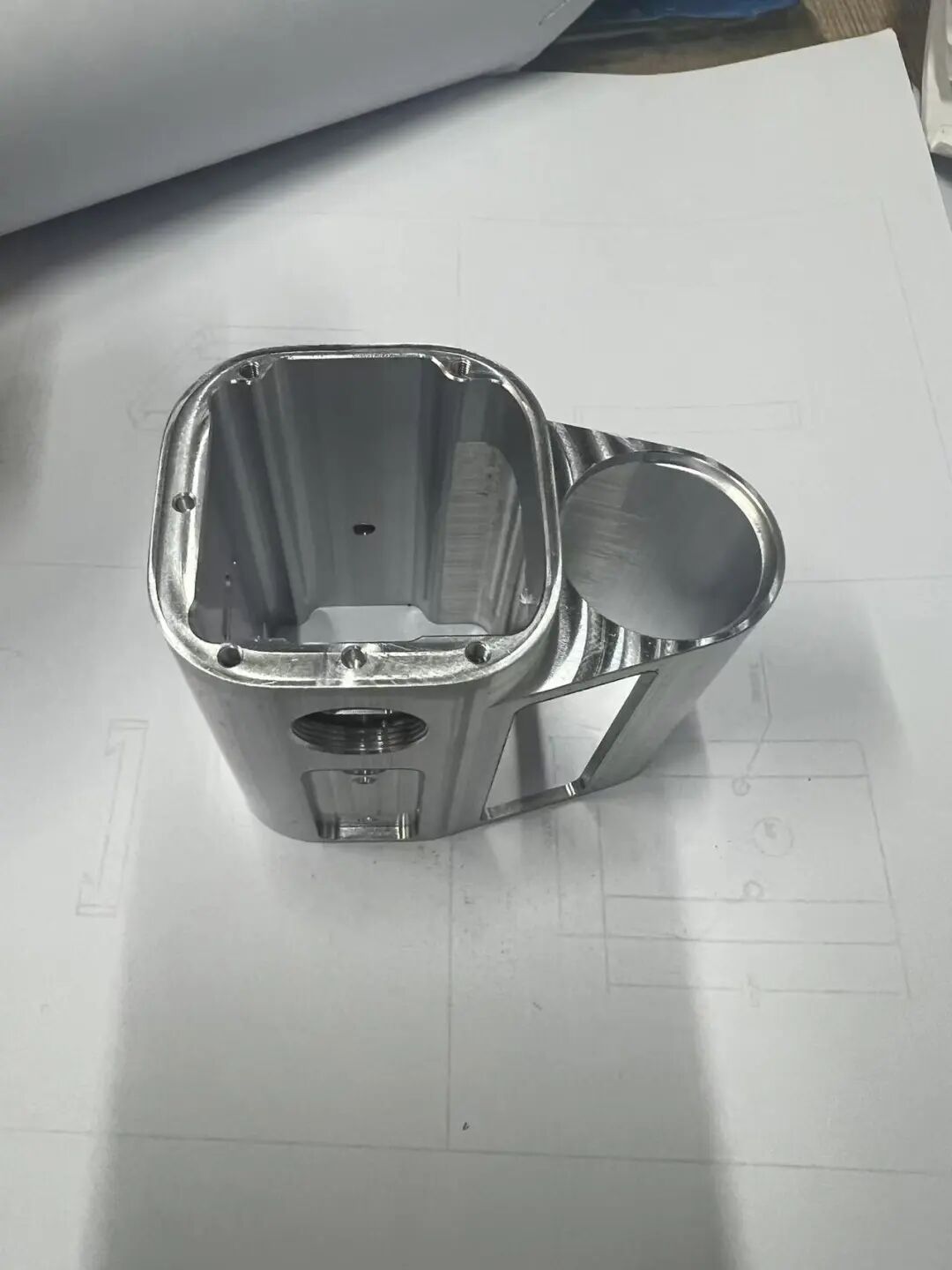
Anodizing, hard anodizing, black oxide, electroless nickel, zinc plating, passivation, powder coating, painting and bead blasting.
View All Surface Finishes ↗Development route: Machine Concept → Integration → Validation → First Build → Repeat Builds.
Produce initial structures, tooling and mechanical components for equipment assembly.
Install motors, actuators, sensors, tooling and guarding to identify interface or access changes.
Confirm machine datums, tooling positions, component fits and manufacturing revisions.
Stabilize drawings, materials, finishes and inspection requirements.
Carry approved manufacturing information into subsequent machines and spare-part releases.
Motion, tooling and machine structures depend on relationships that remain stable through manufacturing, finishing and assembly.
Linear rails, bearings, shafts, motors and actuators rely on mounting surfaces and datums that remain aligned after assembly.
Machine bases and tooling plates may combine large overall dimensions with localized precision requirements.
Combined variation across multiple brackets and components can affect sensor, tooling or motion position.
Workholding and assembly fixtures need stable locating features to repeatedly establish the same part position.
Fasteners, sensors, pneumatic fittings and replaceable components need practical installation and maintenance access.
Automation hardware frequently changes during integration, making revision control important for later builds.
Precision should be concentrated where it affects motion, positioning and repeatable workholding rather than applied equally to every feature.
Control flatness and parallelism.
Control fit, position, alignment, runout and concentricity.
Control position and perpendicularity.
Control hole patterns, flatness and datum relationships.
Establish repeatable part positioning.
Maintain stable, adjustable and repeatable machine integration.
CMM, height gauges, precision measuring equipment and project-specific fixtures can be used according to the component. Inspection reports, FAI, material records and CoC can be supplied where agreed.
CMM, height gauges, precision measuring equipment and project-specific fixtures can be used according to the component. Inspection reports, FAI, material records and CoC can be supplied where agreed.
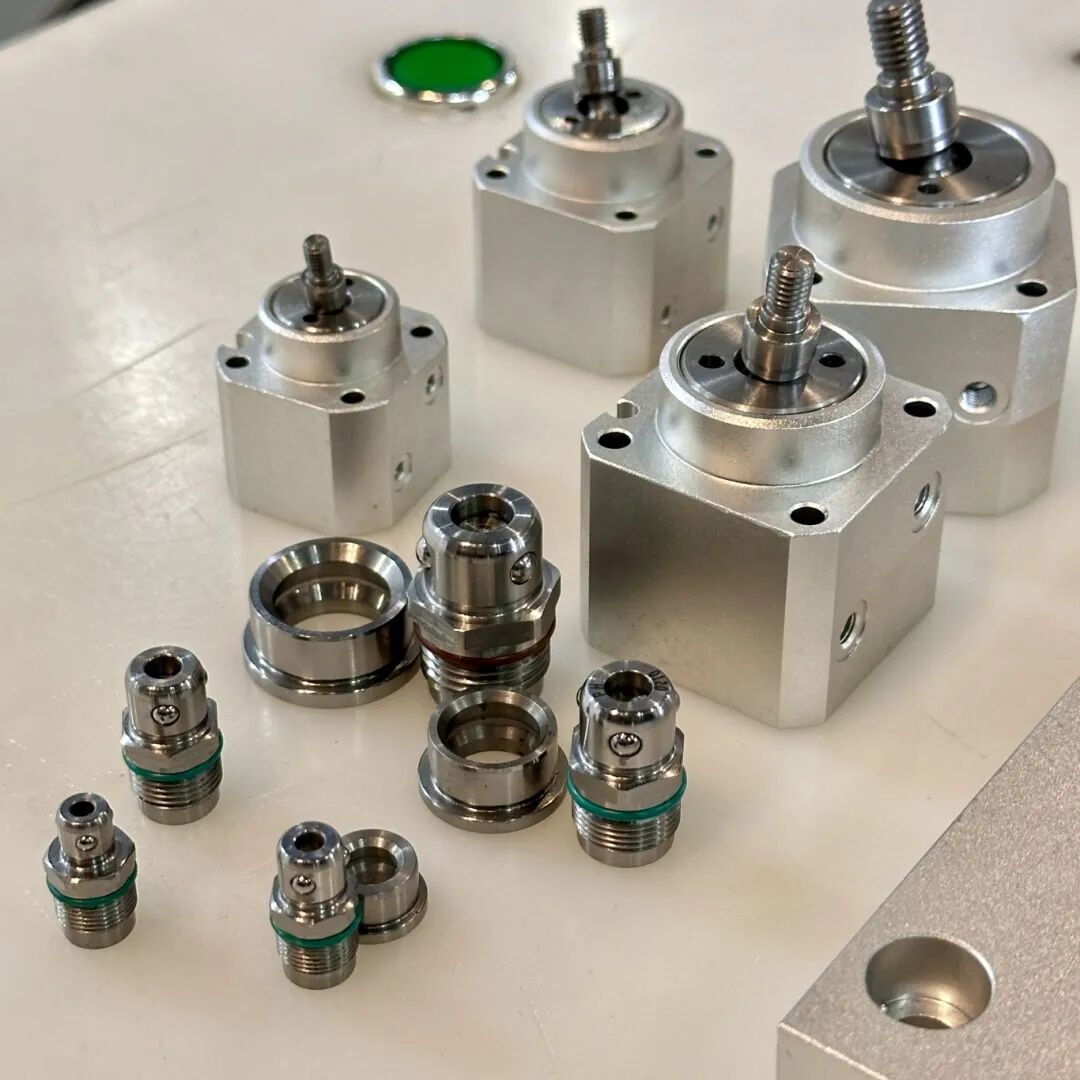
Custom components and assemblies for machine builders, integration teams and repeat equipment programs.
Fixtures, nests, grippers, tooling plates and mechanical components for automated assembly cells.
Robot bases, end effectors, safety structures, sensor mounts and surrounding automation hardware.
Camera mounts, lighting brackets, sensor housings and positioning components.
Conveyor hardware, guides, rollers, grippers and transfer-system components.
Precision fixtures, nests, calibration components and equipment structures for automated testing.
Frames, changeover components, guides, tooling and guarding for specialized automated equipment.
Yes. CNC machining, sheet metal fabrication and 3D printing are suitable for custom machinery and one-off equipment where dedicated production tooling is unnecessary.
Yes. Approved drawings, materials, finishes and inspection requirements can be carried into subsequent machines and spare-part orders.
Yes. Mockup manufactures fixture plates, nests, assembly jigs, workholding components, calibration fixtures and other custom production tooling.
Yes. Gripper bodies, fingers, tool plates, brackets and related mechanical components can be manufactured and assembled according to project scope.
Yes. CNC components, sheet metal structures, finishing, hardware and mechanical assembly can be coordinated through one project workflow.
Common choices include aluminum 6061, carbon and alloy steels, stainless steel, tool steel and engineering plastics such as POM and nylon.
Yes. Revised drawings can move through manufacturing as the machine develops. Clear revision control helps prevent superseded components from entering later builds.
Share your machine assembly, drawings, BOM, tooling requirements and critical motion interfaces. Mockup will review machining, fabrication, materials, finishing, inspection and assembly requirements.