
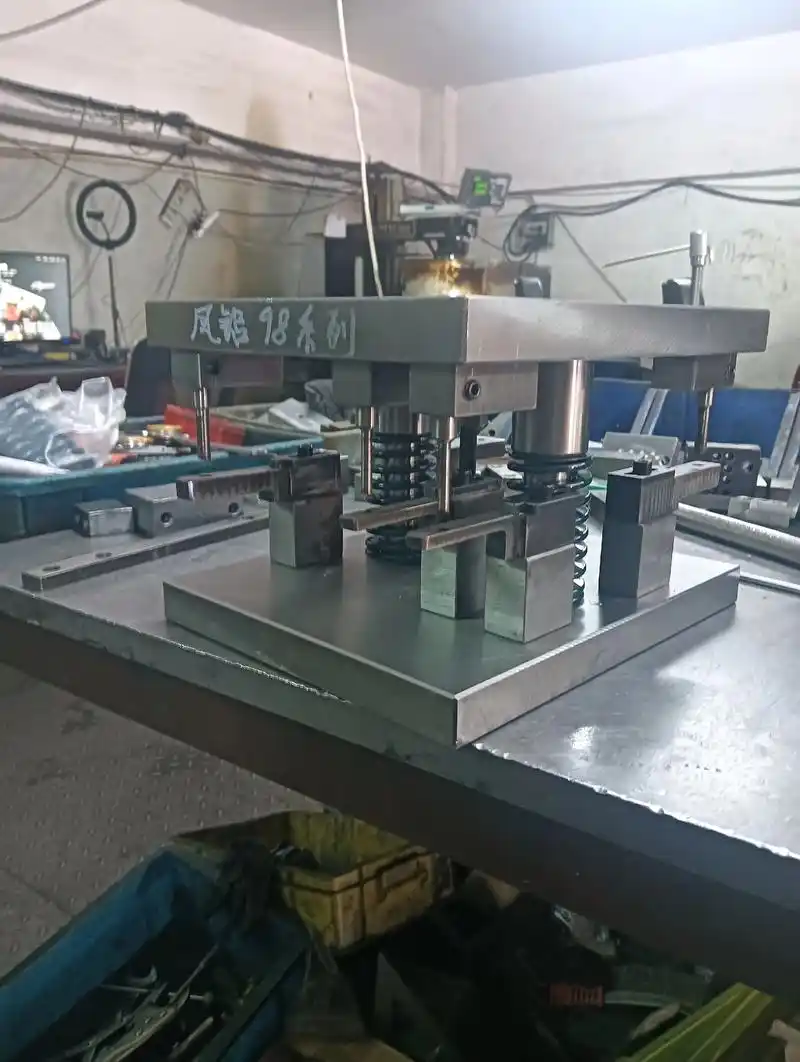
 COIL-FED PRODUCTION
01
Progressive Die Stamping
Coil stock moves through successive die stations for repeat production of complex parts with consistent geometry.
Turn sheet and coil stock into repeatable production parts. Mockup coordinates tooling, material, stamping, secondary operations and inspection through one controlled workflow.
Send your drawing, material, expected annual volume and release quantity. We will review tooling strategy, forming risk, tolerance requirements and production economics.
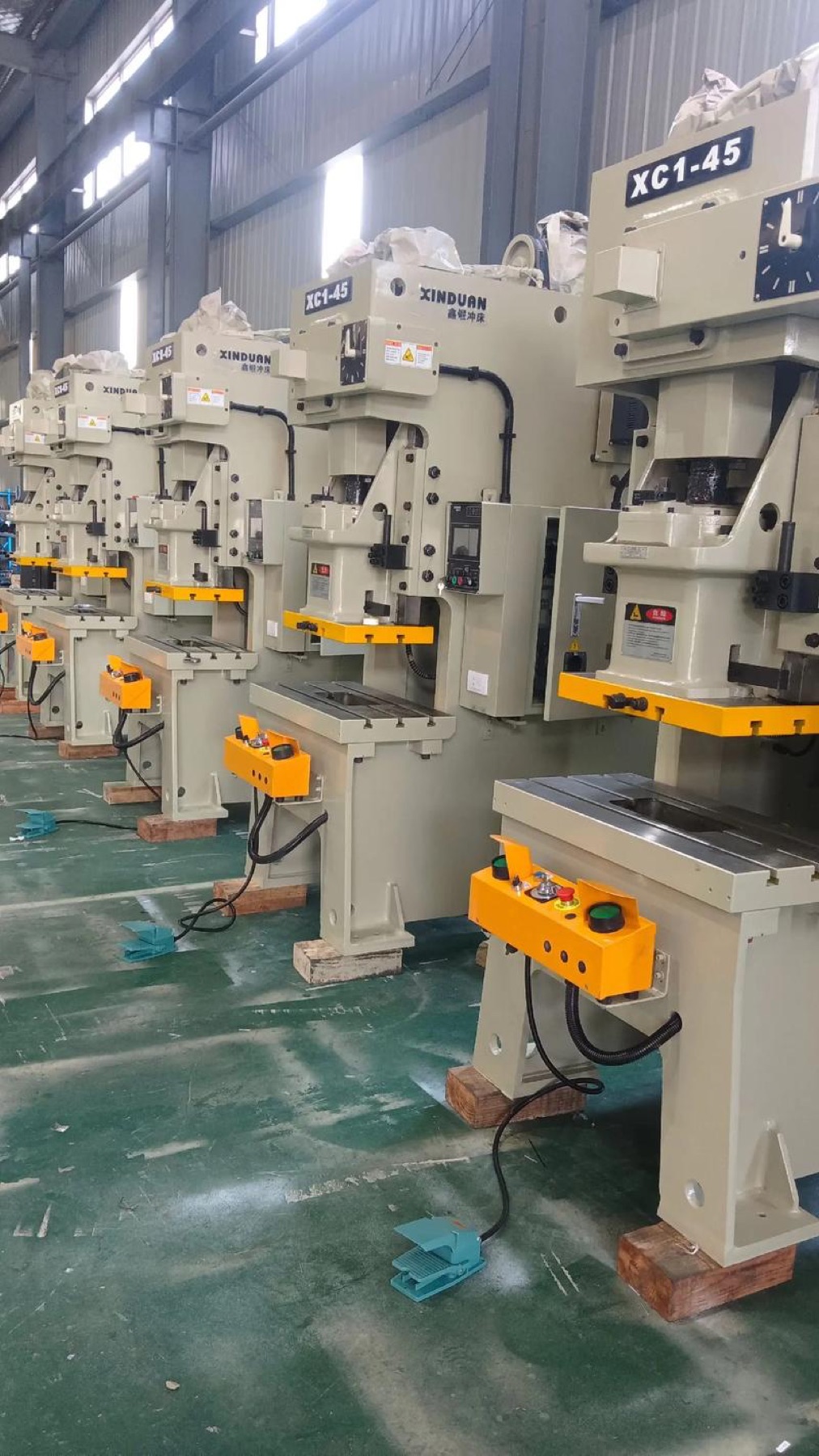
Integrate cutting and forming operations into controlled press cycles when repeat volume justifies tooling investment.
COIL-FED PRODUCTIONCoil stock moves through successive die stations for repeat production of complex parts with consistent geometry.
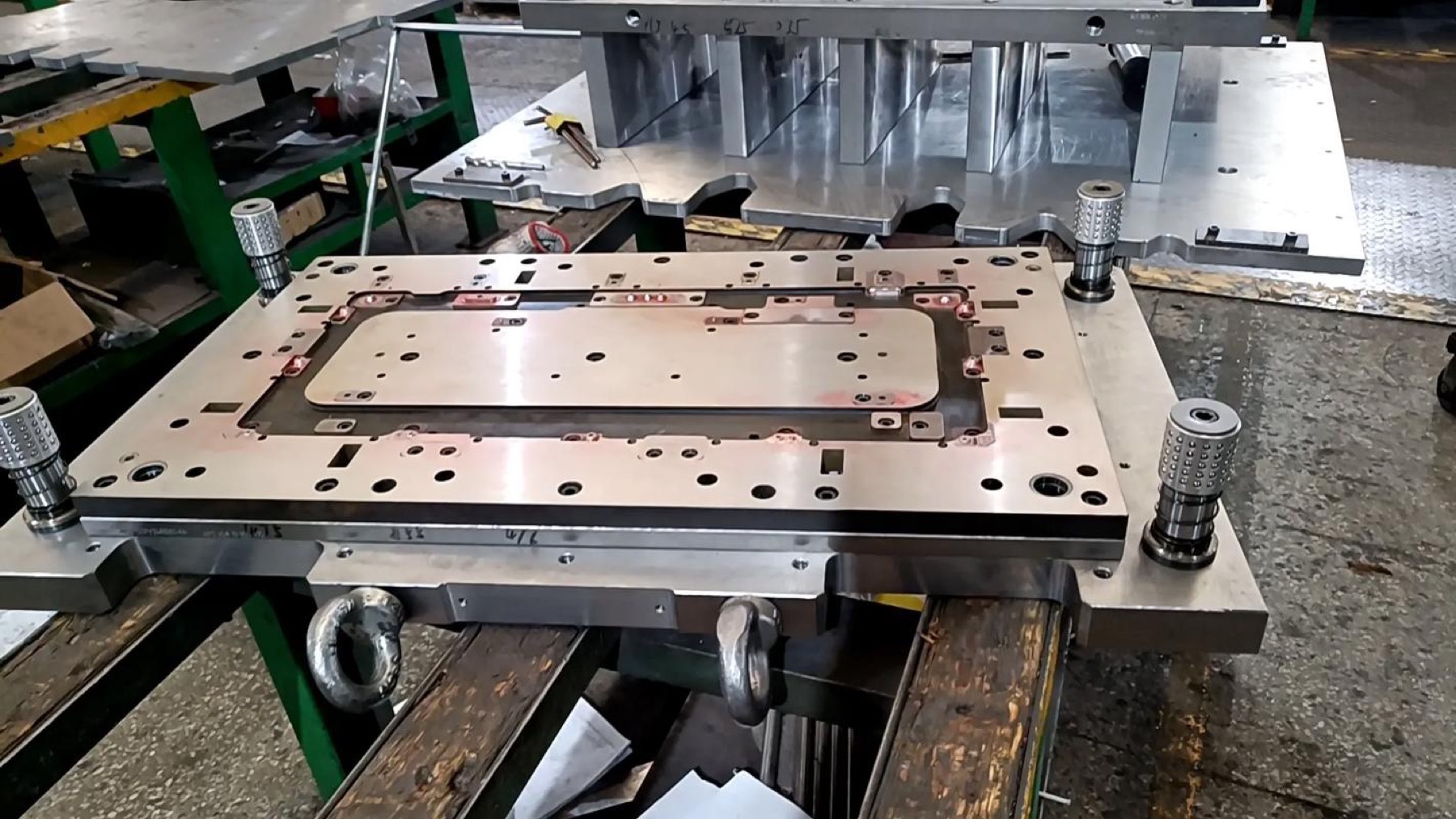 COMBINED OPERATIONS
Blanking, piercing and related operations are combined within a single stroke to control feature relationships.
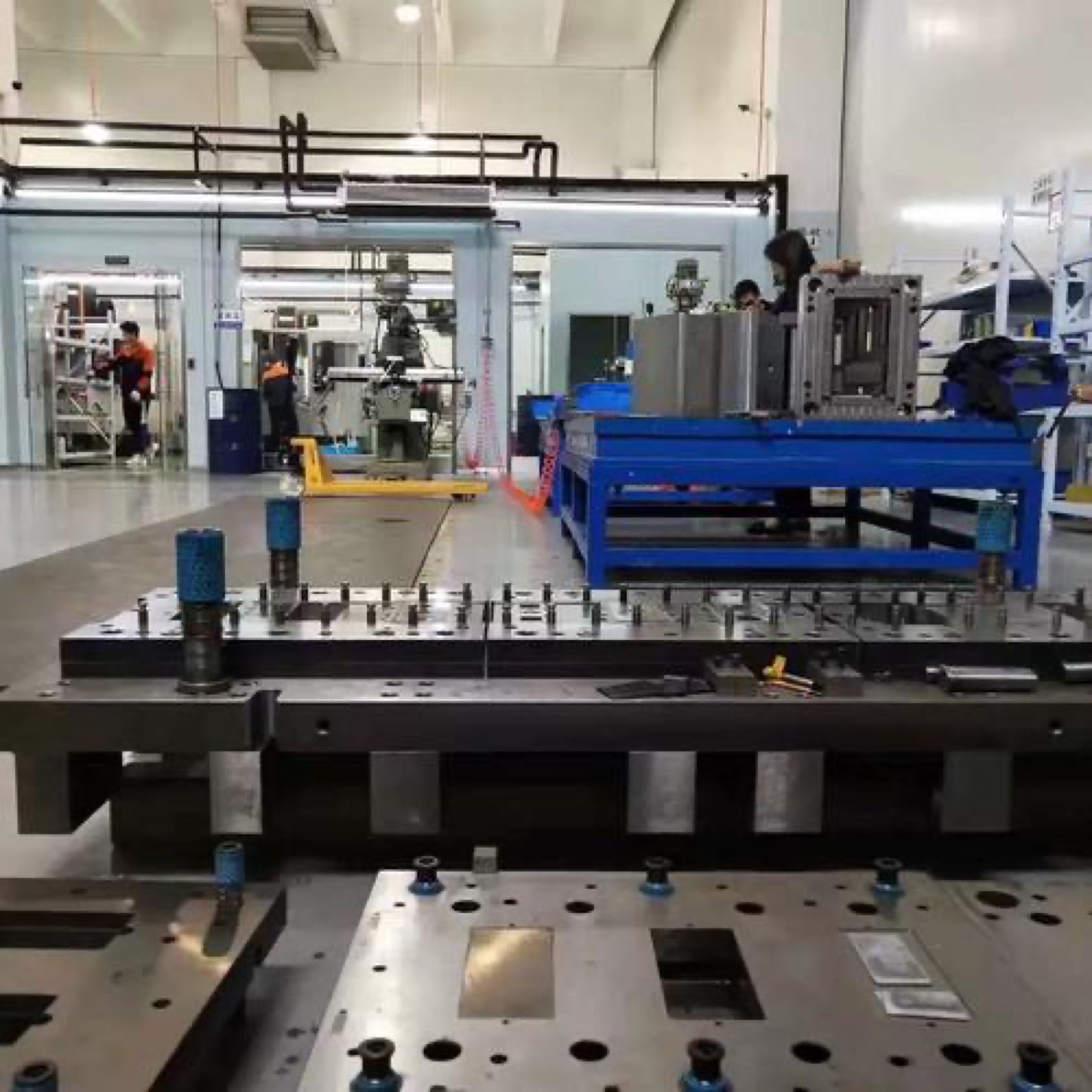 DEEP GEOMETRY
Controlled material flow forms flat sheet into cups, shells, housings and other deep geometries.
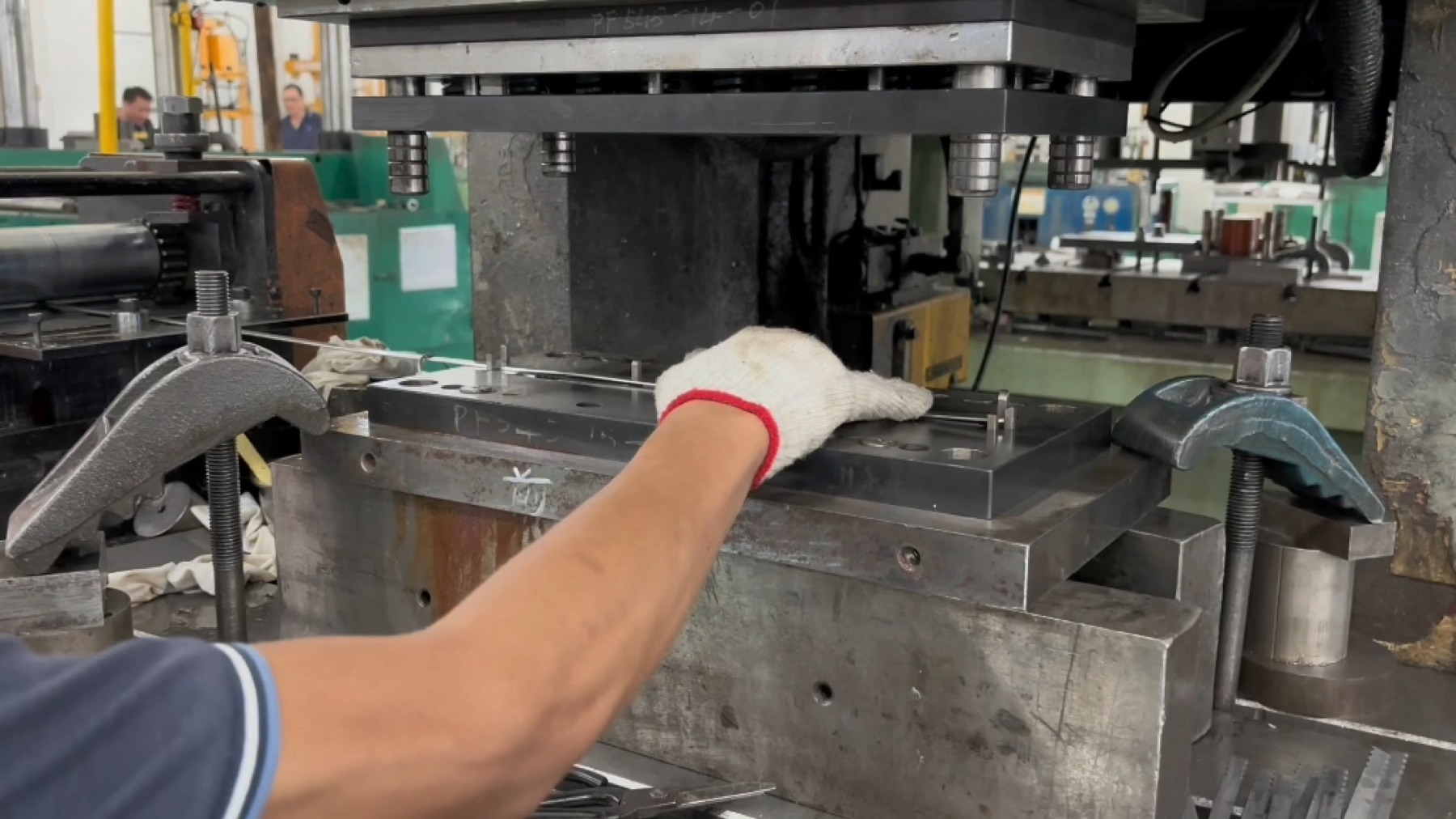 CUT FEATURES
External profiles, holes, slots and openings produced individually or within a larger stamping sequence.
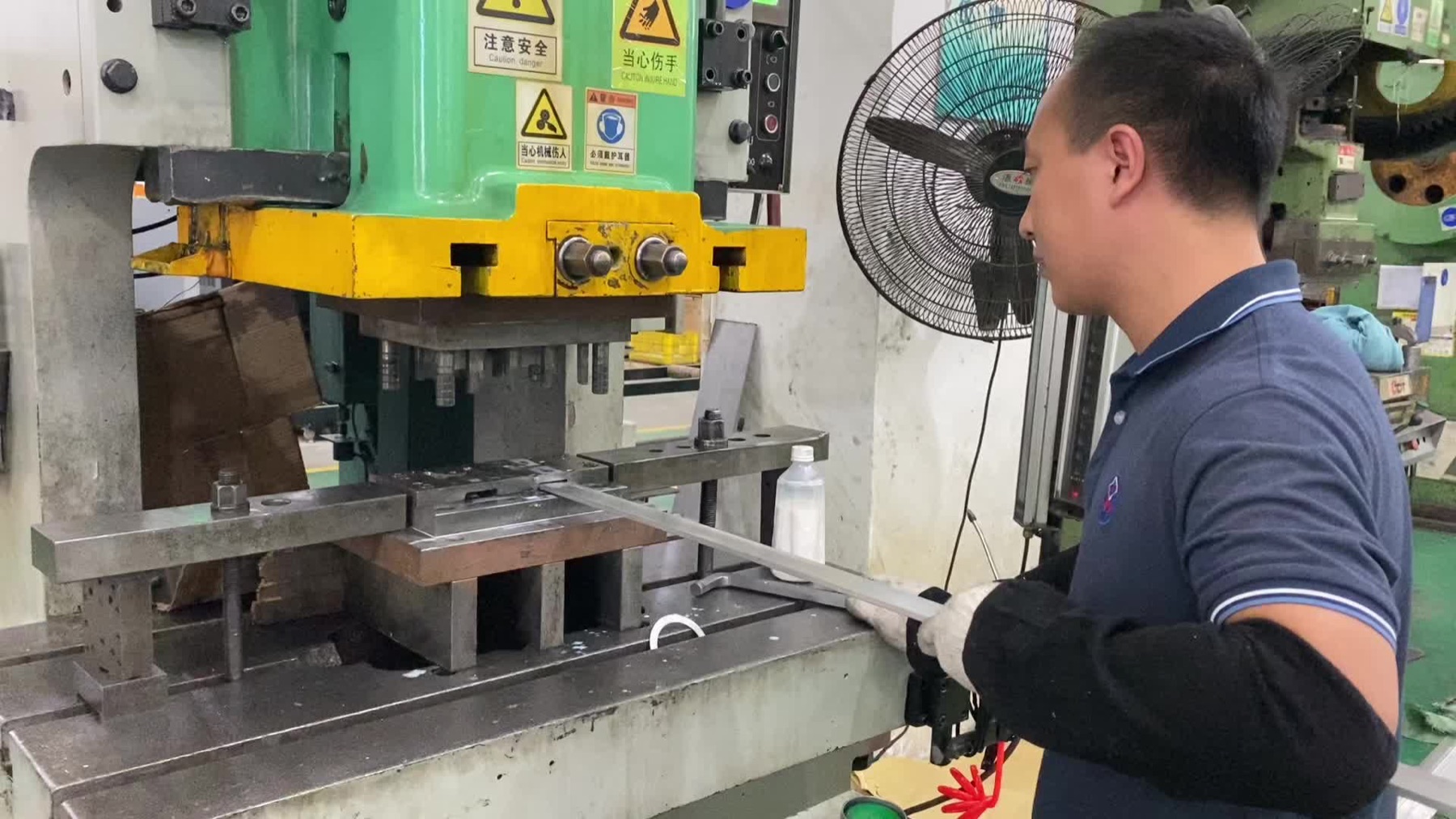 FORMED FEATURES
Flanges, tabs, channels and three-dimensional features created directly within the stamping process.
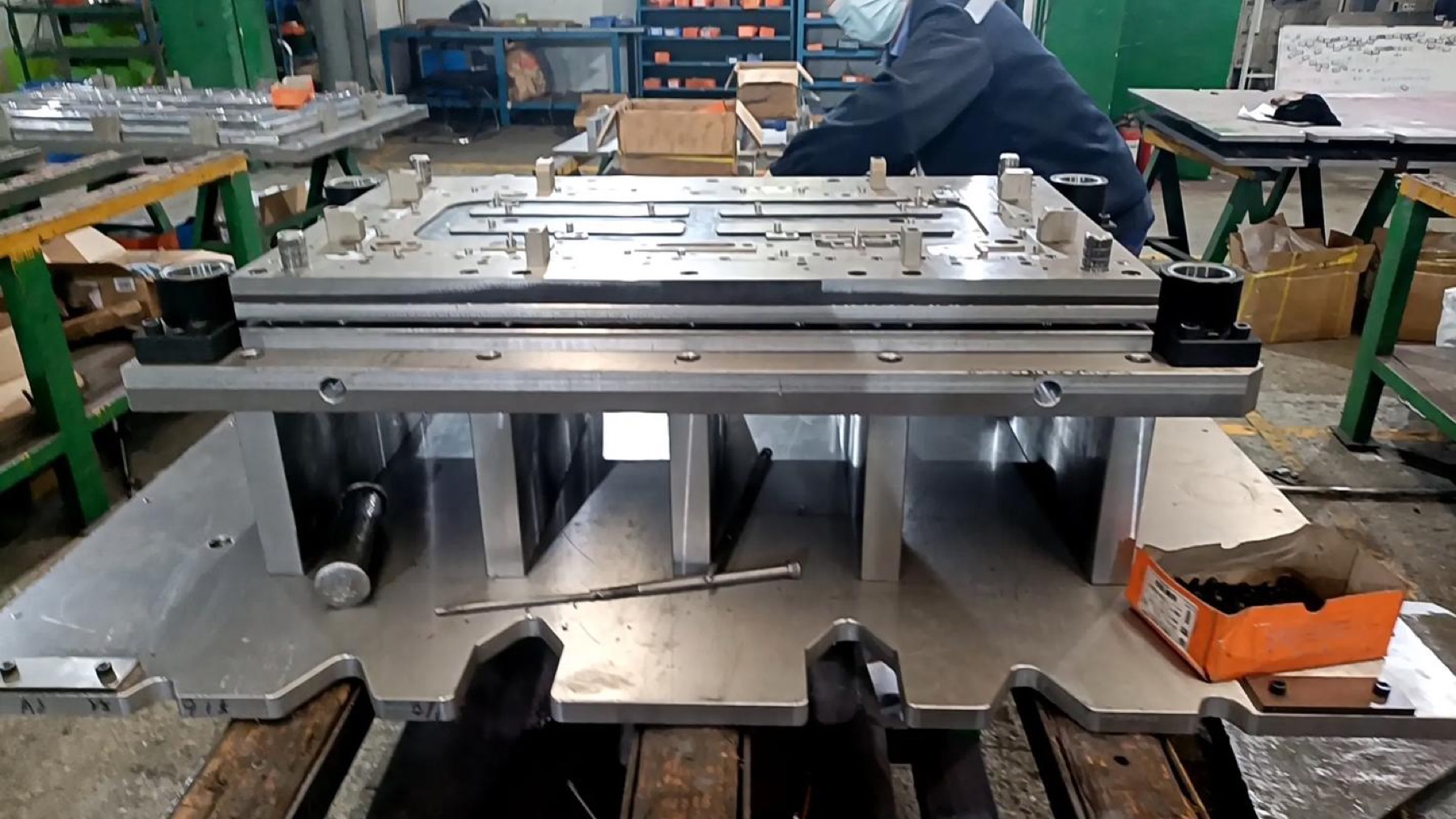 VALIDATE THEN SCALE
Prototype dies, soft tooling and flexible fabrication validate geometry before full production tooling.
Build a stable manufacturing process—not simply an acceptable first batch.
Use laser cutting, CNC machining, bending, soft tooling or prototype dies to validate fit, forming behavior and assembly.
Support initial production while demand increases and the final production strategy is validated.
Carry controlled tooling, material specifications, press parameters and inspection requirements into repeat releases.
Capability depends on material, thickness, feature geometry, die construction and production volume.
Tooling, stamping, secondary operations and inspection are coordinated around controlled drawings and agreed acceptance requirements.
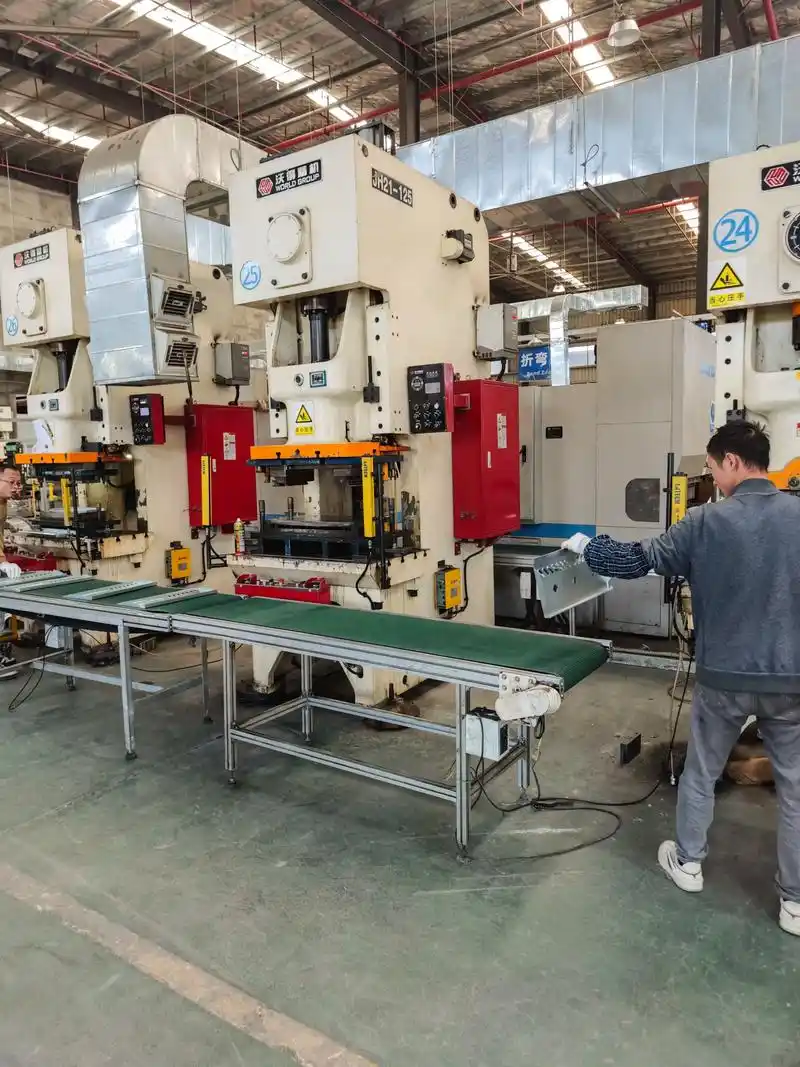
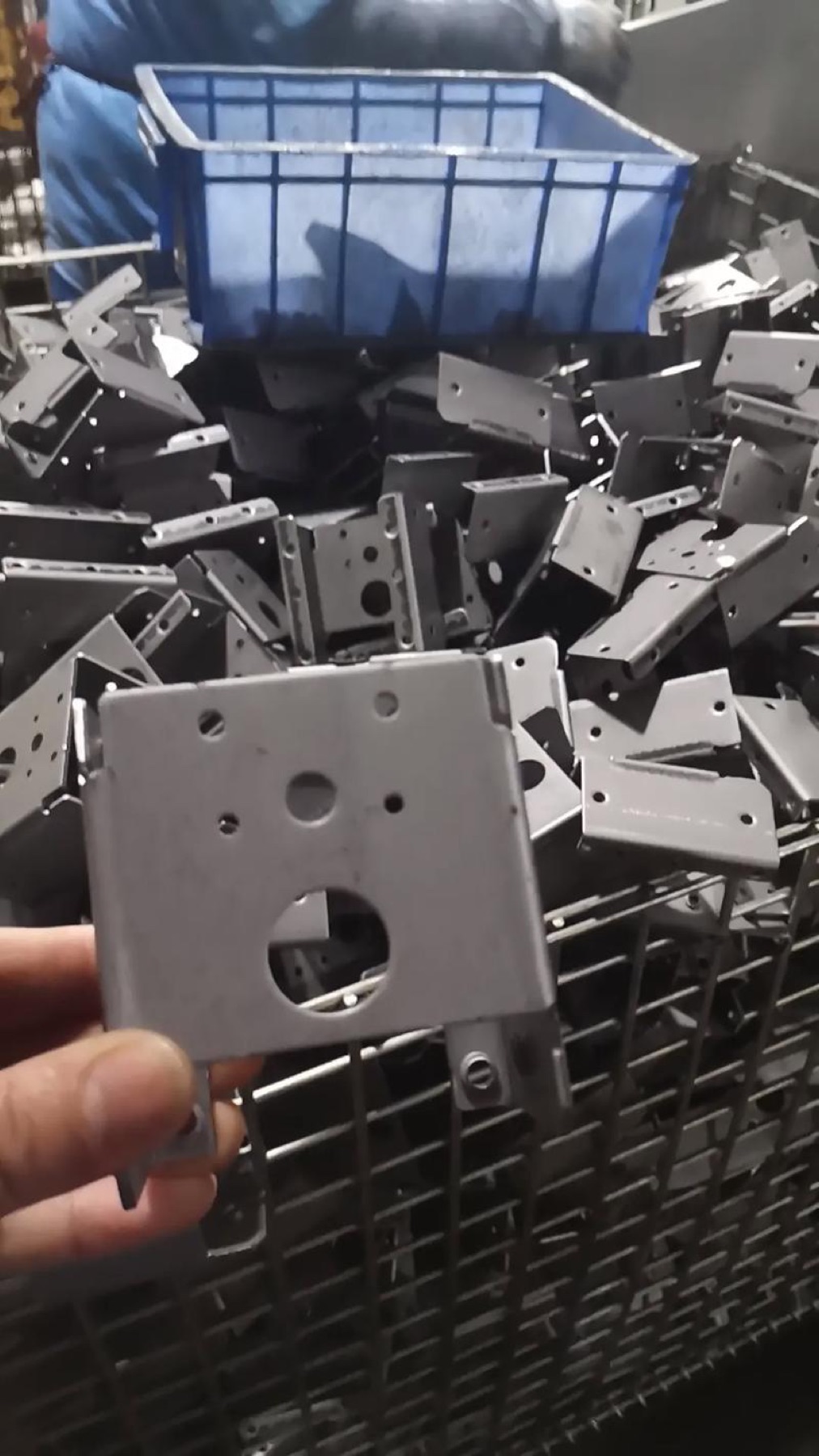
Tooling development, production control and inspection stay connected to the approved drawing.
Review drawing, material, annual demand, release quantity, cosmetic requirements and critical characteristics.
Develop strip layout, forming sequence, tonnage, material flow, springback, burr direction and tool life.
Try out the tooling, produce initial samples and verify dimensions and forming performance.
Control material lots, press parameters, tooling condition and in-process inspection.
Complete final inspection, documentation, packaging and repeat-order production records.
Compare sheet and coil materials by strength, formability, corrosion resistance, conductivity and application.
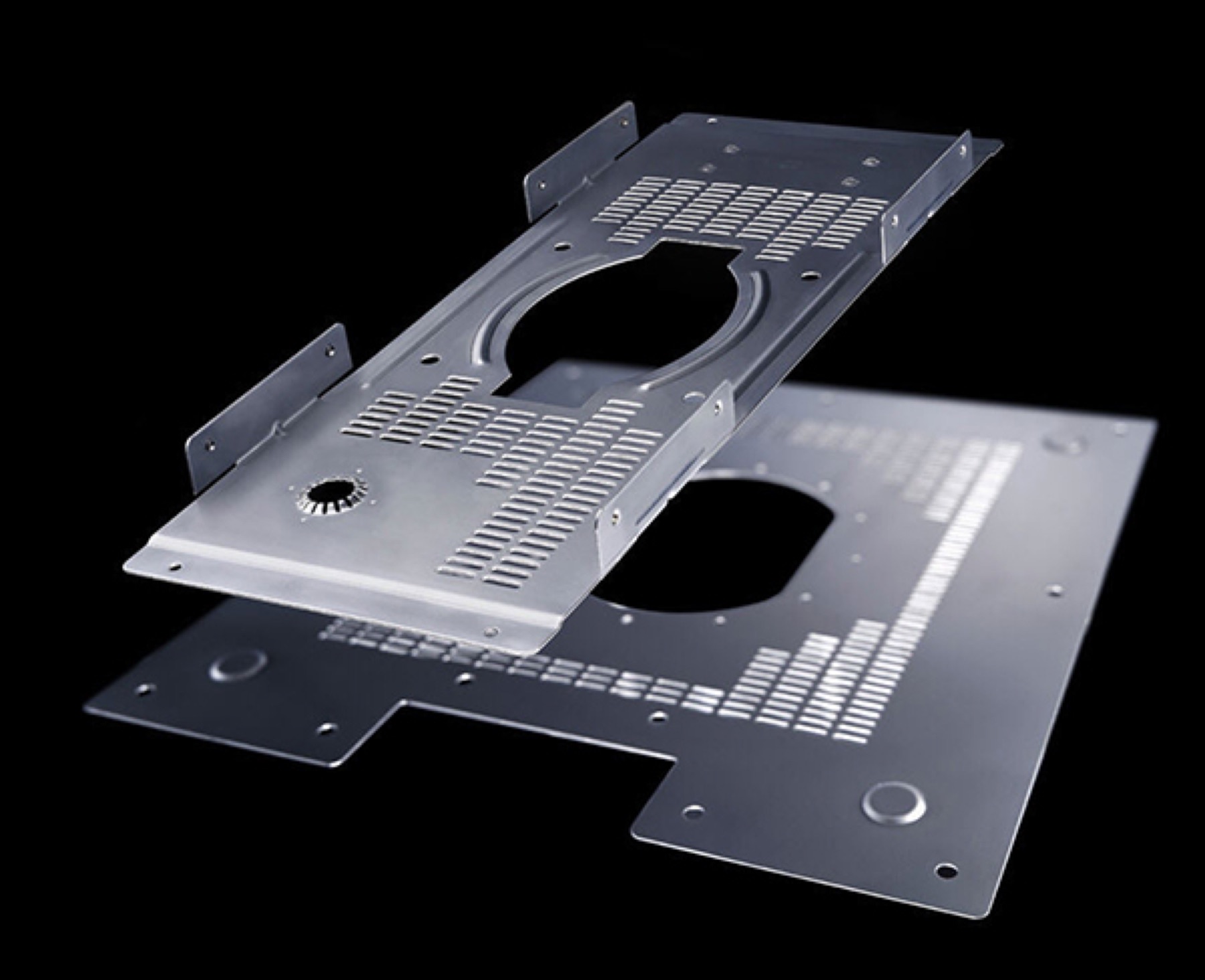
Maintain the relationship between material, tooling, press parameters and inspection over long production runs.
Maintain the relationship between material, tooling, press parameters and inspection over long production runs.
Good DFM considers both finished geometry and how material moves through the tooling.
Provide annual demand and release quantities before tooling strategy is fixed.
Keep bend radii consistent and avoid abrupt material-flow changes.
Define burr direction, critical edges and customer-facing surfaces.
Keep holes and slots away from severe forming zones.
Apply tight tolerances only to functional features with practical datums.
Account for plating or coating thickness after stamping.
Keep secondary work connected to the approved stamping drawing, datum strategy and cosmetic requirements. Mockup can coordinate edge conditioning, precision machining, joining, finishing, marking, installed hardware and subassembly so parts arrive closer to their final product condition with fewer supplier handoffs and one aligned inspection plan.
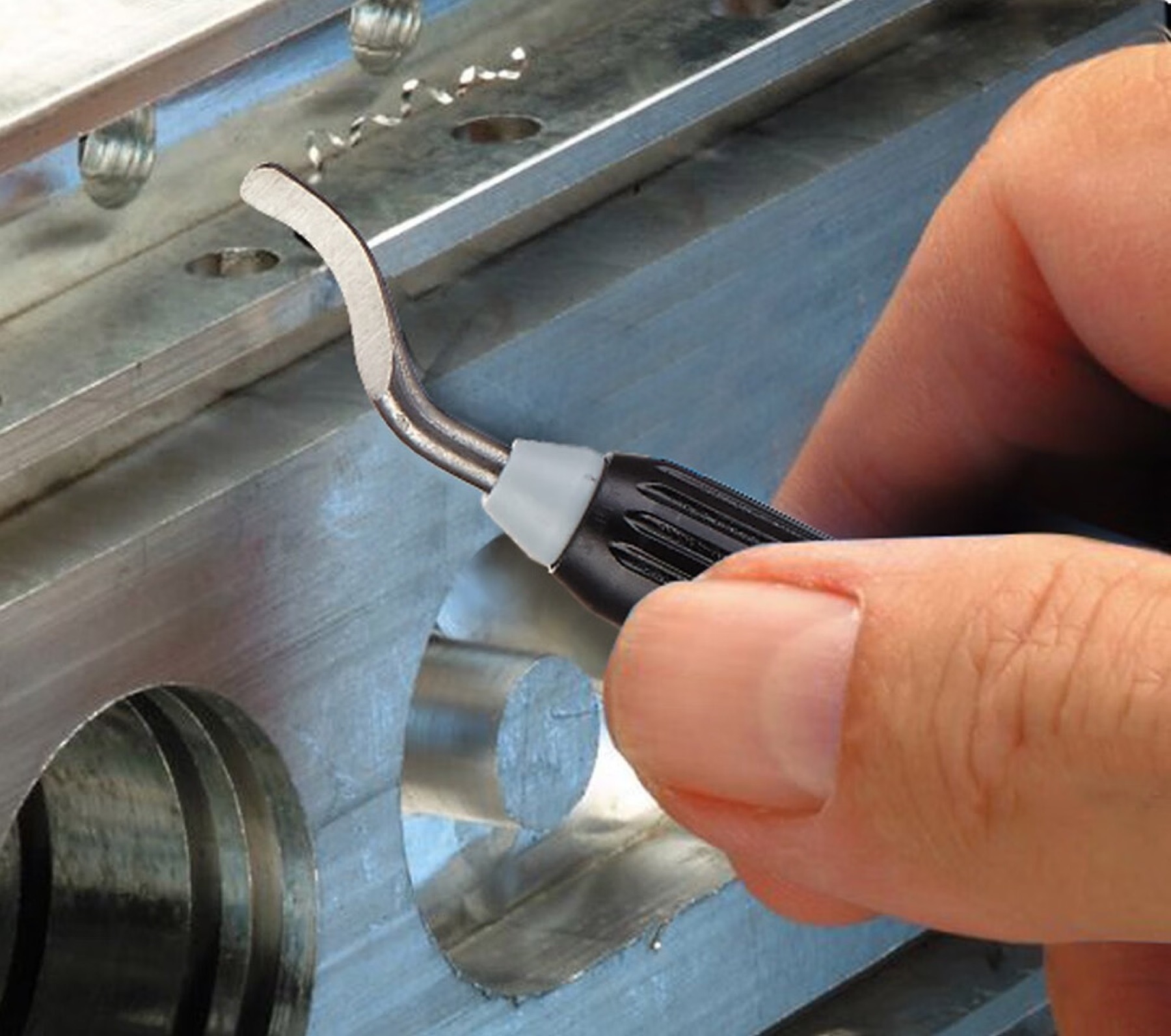
Remove sharp edges, loose material and controlled stamping burrs while protecting functional edges, formed features and cosmetic faces.
Explore surface finishing↗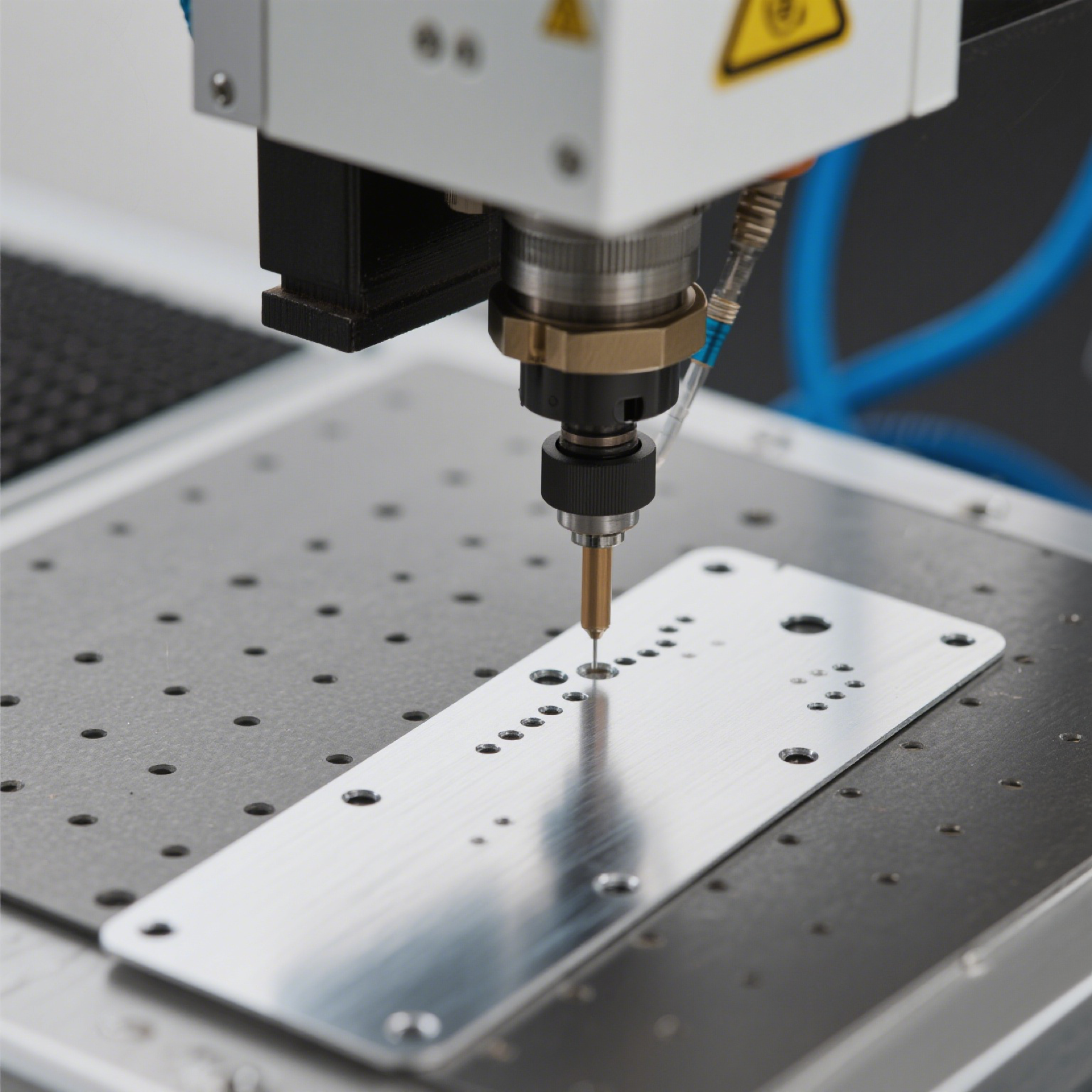
Add precision holes, threads, datum surfaces or other features that are impractical or uneconomical to produce directly in the stamping die.
Explore CNC machining↗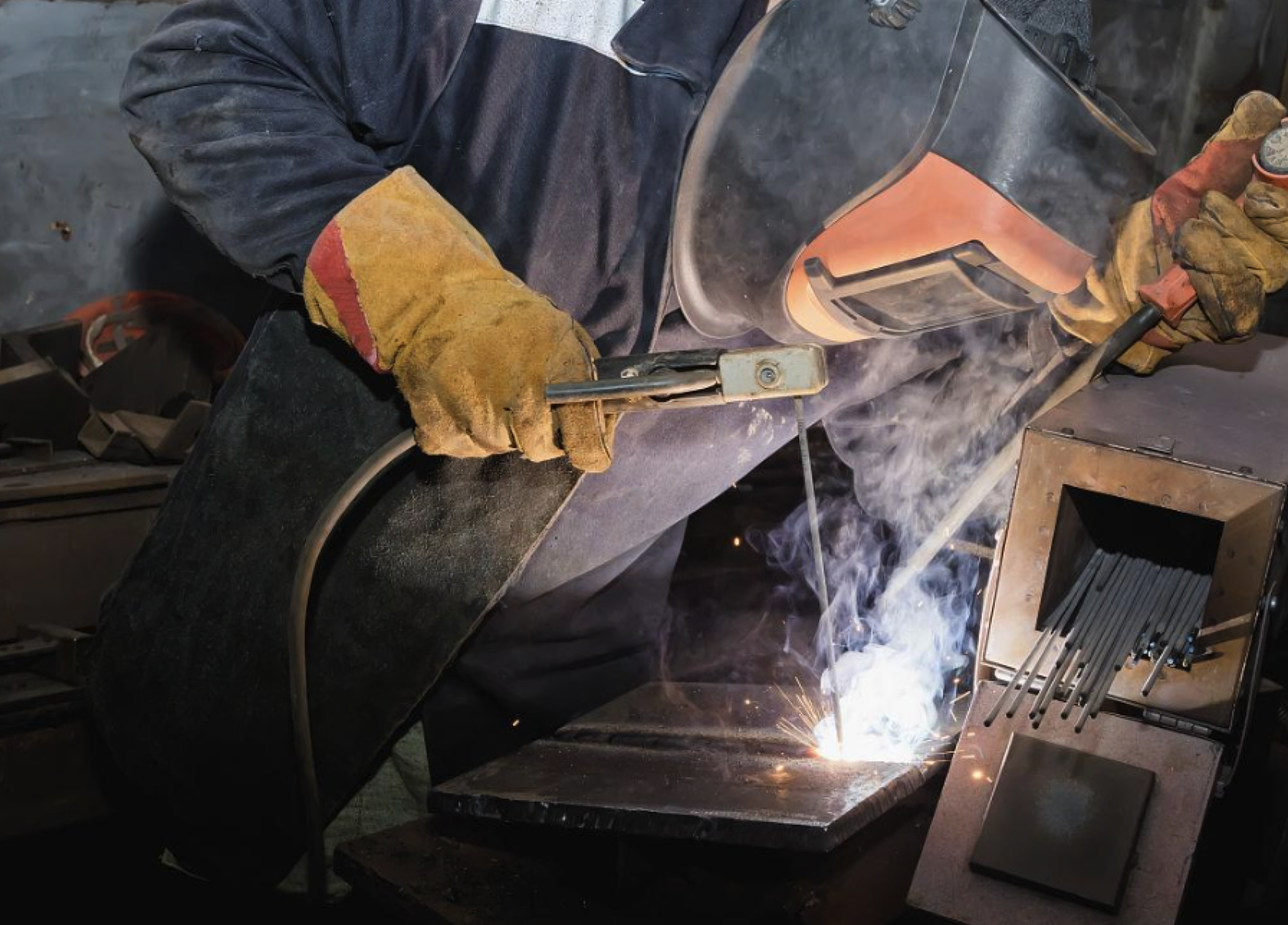
Combine stamped components through spot welding, conventional welding, riveting or mechanical fastening with post-join dimensional checks.
Explore sheet metal fabrication↗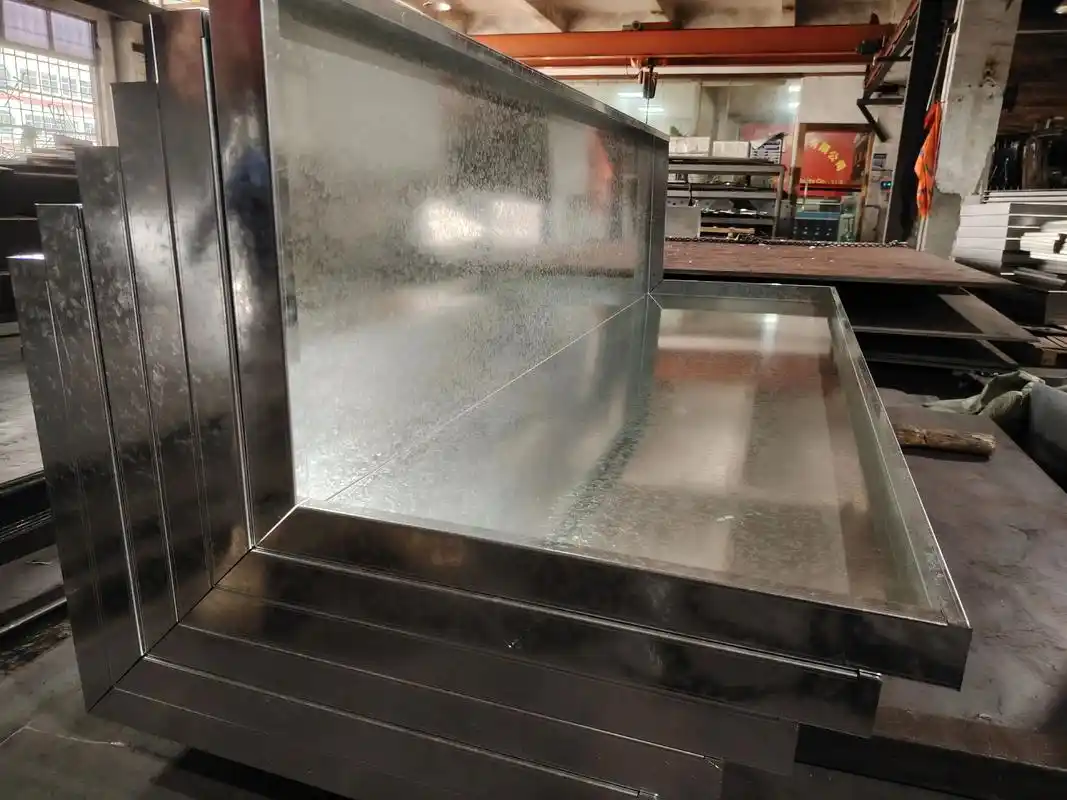
Coordinate plating, powder coating, painting, passivation, anodizing or polishing around material, corrosion, appearance and masking requirements.
Explore surface finishing↗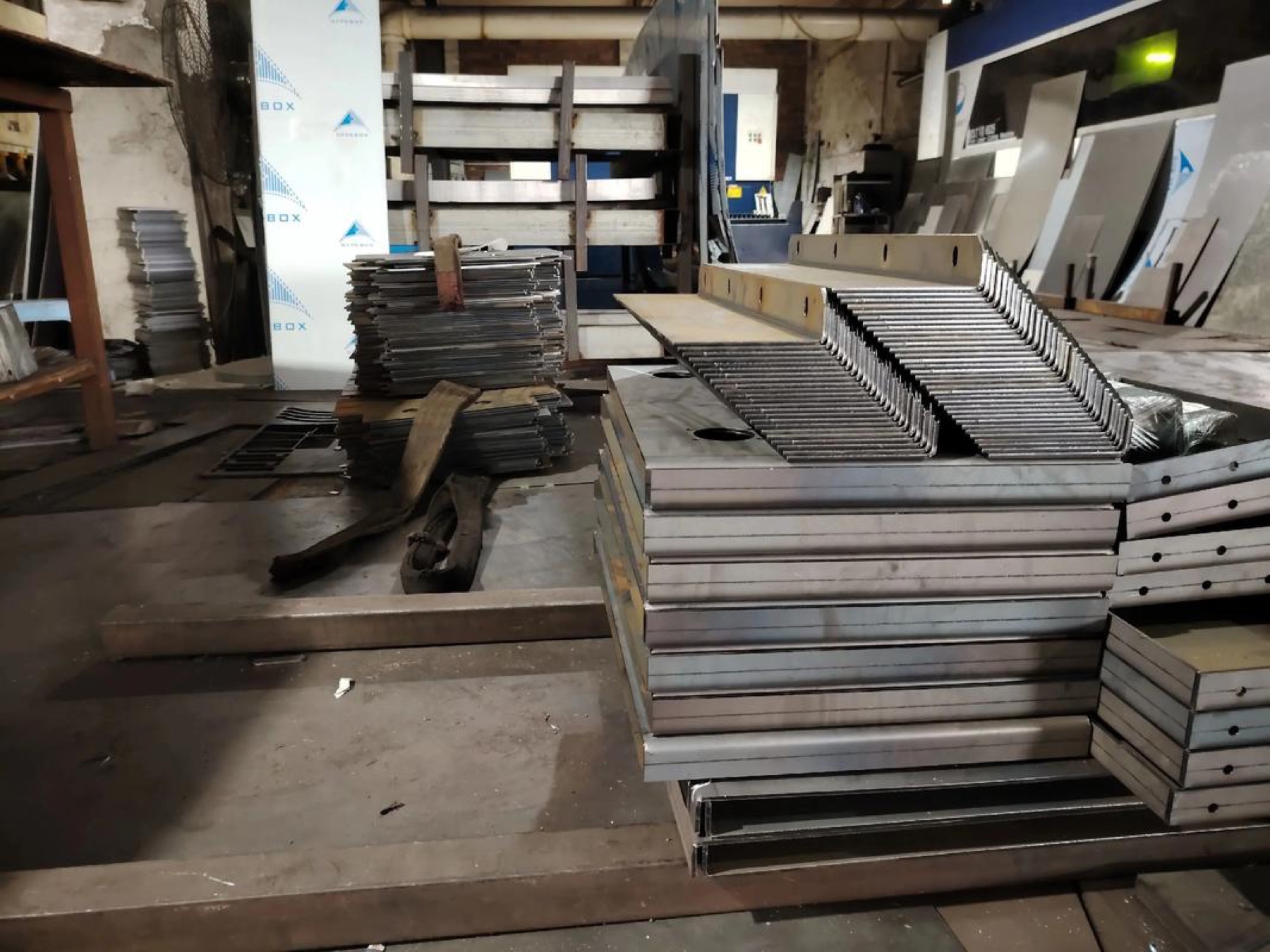
Apply part identification, install specified hardware and combine stamped parts with purchased components into controlled subassemblies.
Repeatable stamped components support products where stable geometry, controlled material behavior and economical production matter across long release programs.
Conductive contacts, terminals, clips and spring features produced through controlled cutting and forming operations.
Structural brackets, EMI shields and mounting hardware with repeat hole and formed-feature relationships.
Mounting plates, retainers, covers and formed structural parts planned around repeat release quantities.
Compact brackets, guards and interfaces for robotic systems and production equipment.
Conductive and protective parts for electrical distribution, energy systems and power equipment.
Washers, covers, clips and formed hardware for machinery and engineered assemblies.
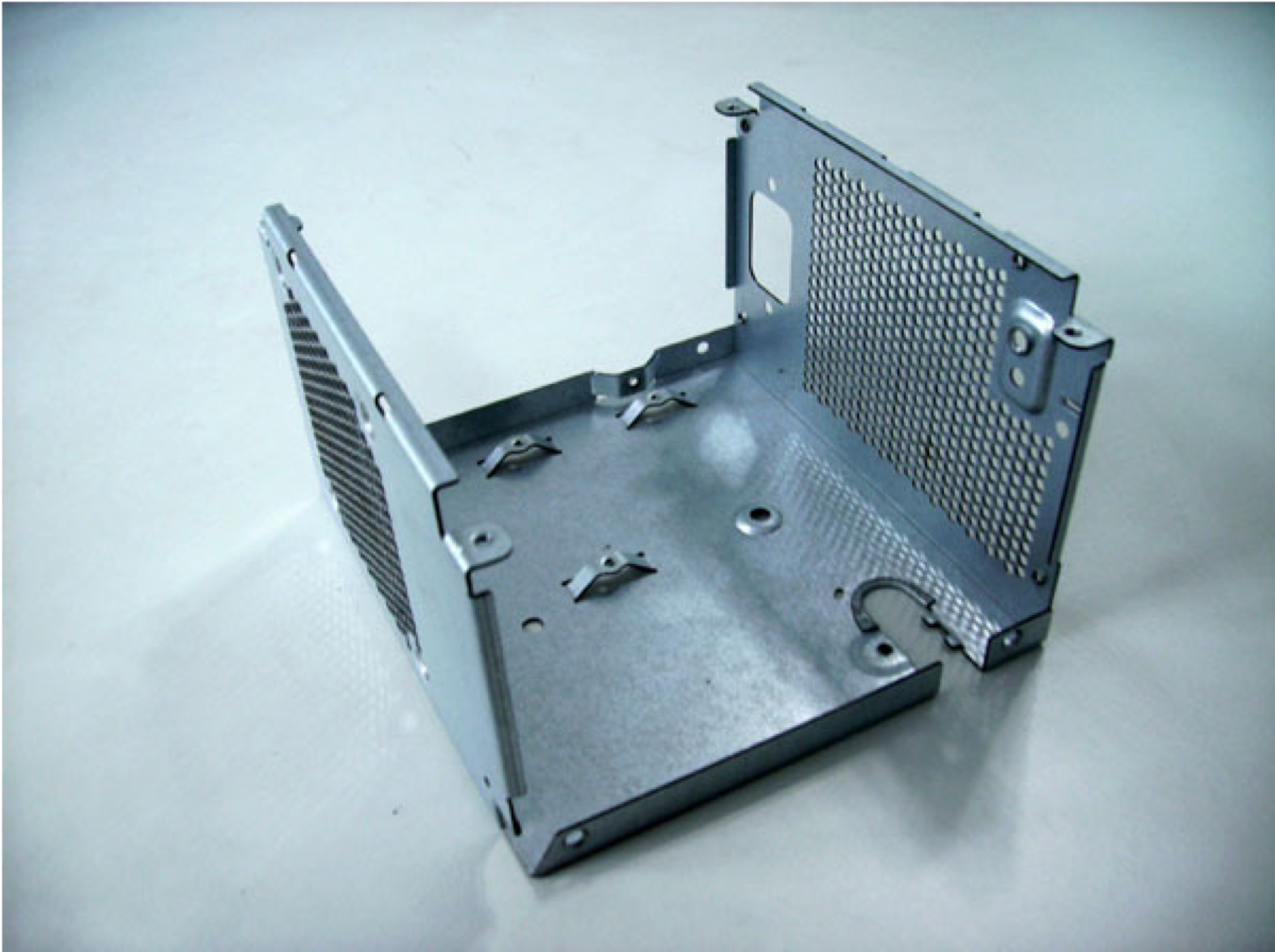
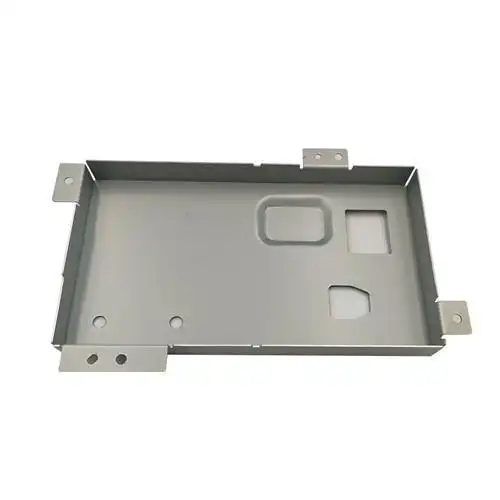
Evidence-led routes connecting the part, material, tooling process and critical requirement.
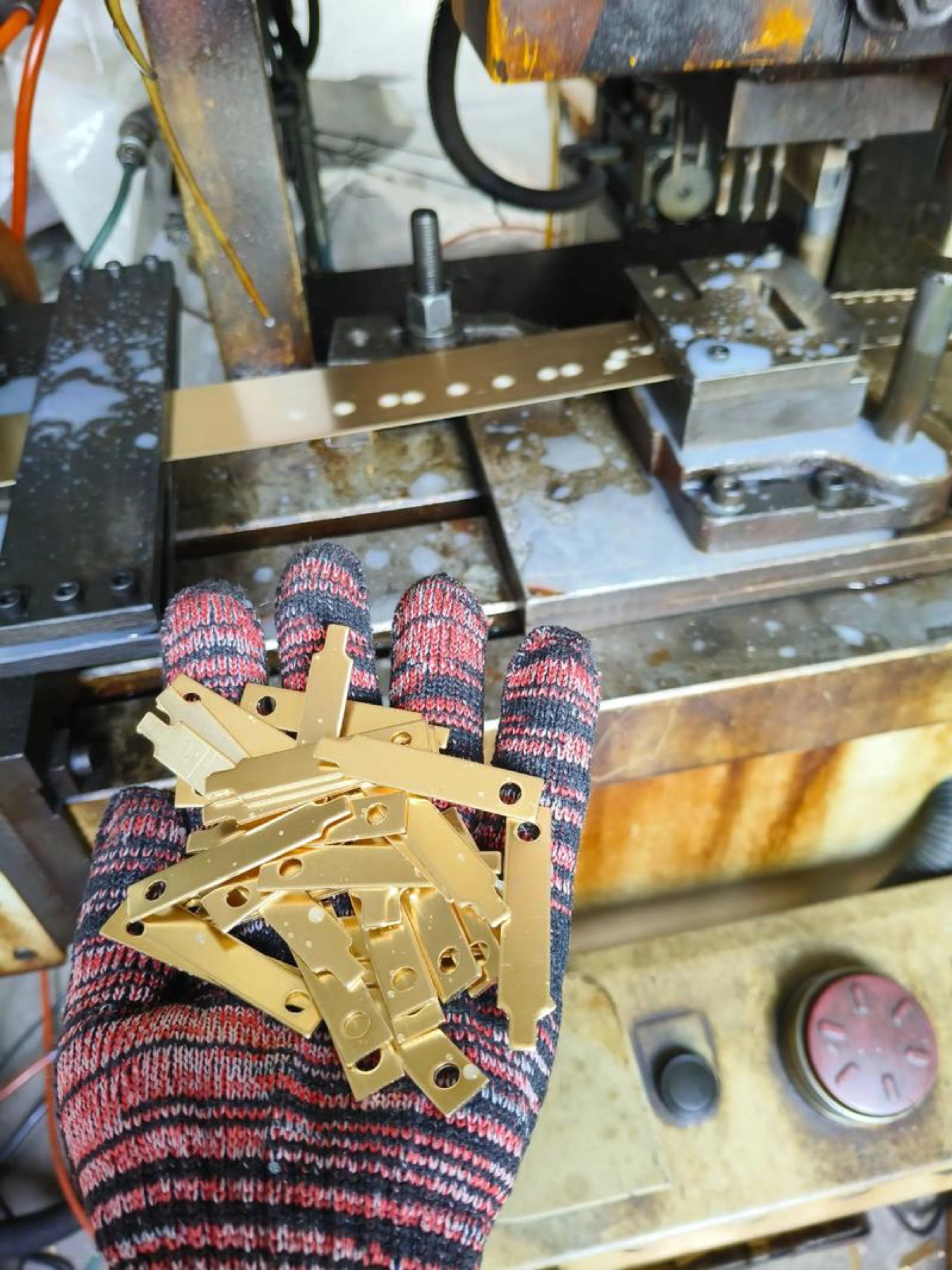
Copper-alloy electrical terminal. Progressive stamping integrates cutting and forming operations with first-off inspection and production sampling.
Steel enclosure produced by deep drawing and trimming, with controlled wall geometry, opening dimensions and cosmetic inspection.
A stainless mounting component validated by laser cutting and bending before investment in repeat-production tooling.
Share your drawing, material, annual demand and release quantity for a practical tooling, forming and inspection review.