
Fast Prototype Iteration
Produce parts for packaging, assembly, vehicle testing and engineering changes without waiting for production tooling.
Mockup manufactures custom parts and assemblies for vehicle development, EV systems, automotive testing and production programs. CNC machining, sheet metal fabrication, casting, molding, 3D printing and finishing support projects from early prototypes through repeat production.
Send your CAD, drawings, material requirements and production stage for manufacturing and engineering review.
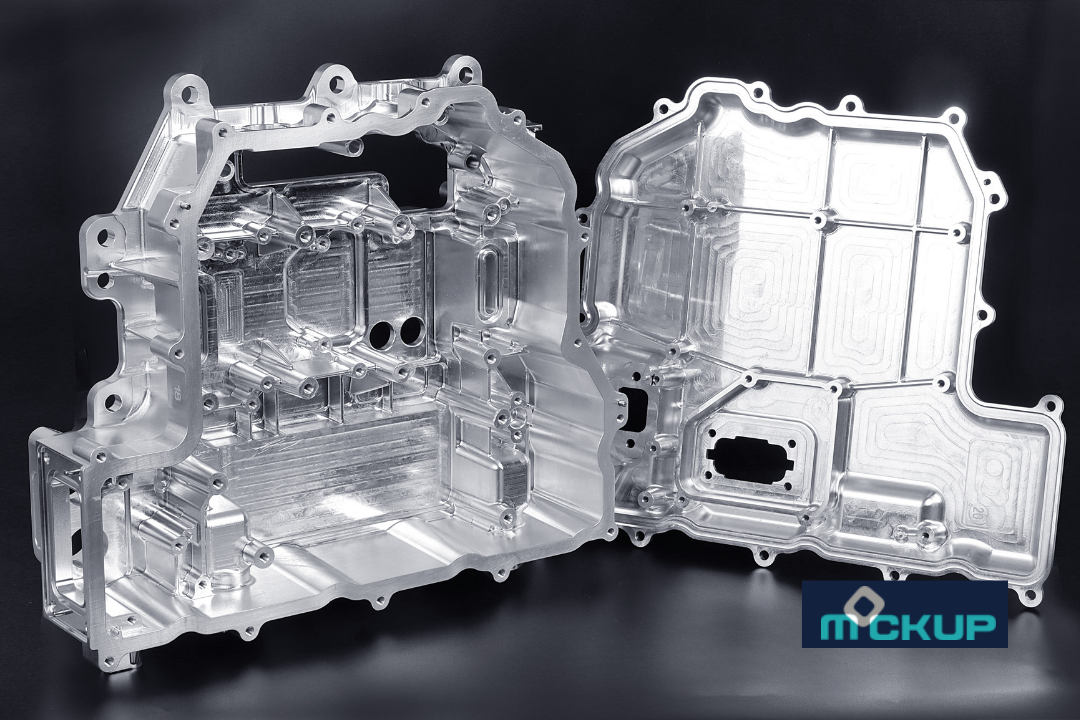
Automotive development moves quickly from design concepts into physical testing, vehicle integration and production validation.
Mockup connects multiple manufacturing processes so teams can iterate without losing control of materials, interfaces and production requirements.
Produce parts for packaging, assembly, vehicle testing and engineering changes without waiting for production tooling.
Validate components using aluminum, steel, stainless steel and engineering plastics closer to production condition.
Combine CNC machining, sheet metal, die casting, molding, additive manufacturing and finishing.
Manufacture battery, motor, electronics and thermal-management components for EV development.
Move validated designs into pilot and repeat production with approved revisions and inspection requirements.
Coordinate dimensional inspection, material records, FAI and project-specific documentation.
Vehicle development requires physical components to evaluate packaging, fit, thermal behavior, structural performance and assembly before production tooling is ready.
Mockup supports automotive prototypes, engineering test parts, vehicle builds, pilot quantities and repeat production using flexible processes and production-intent materials.
Start an automotive manufacturing project ↗Automotive programs can require different manufacturing routes between early prototypes, validation vehicles and production.
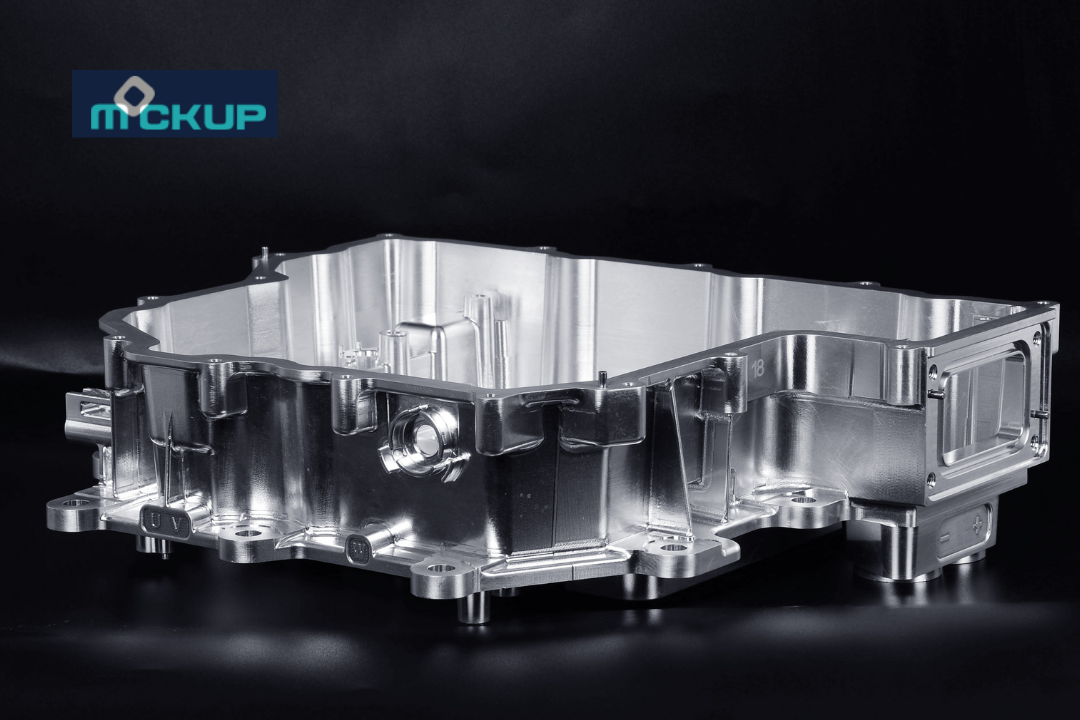
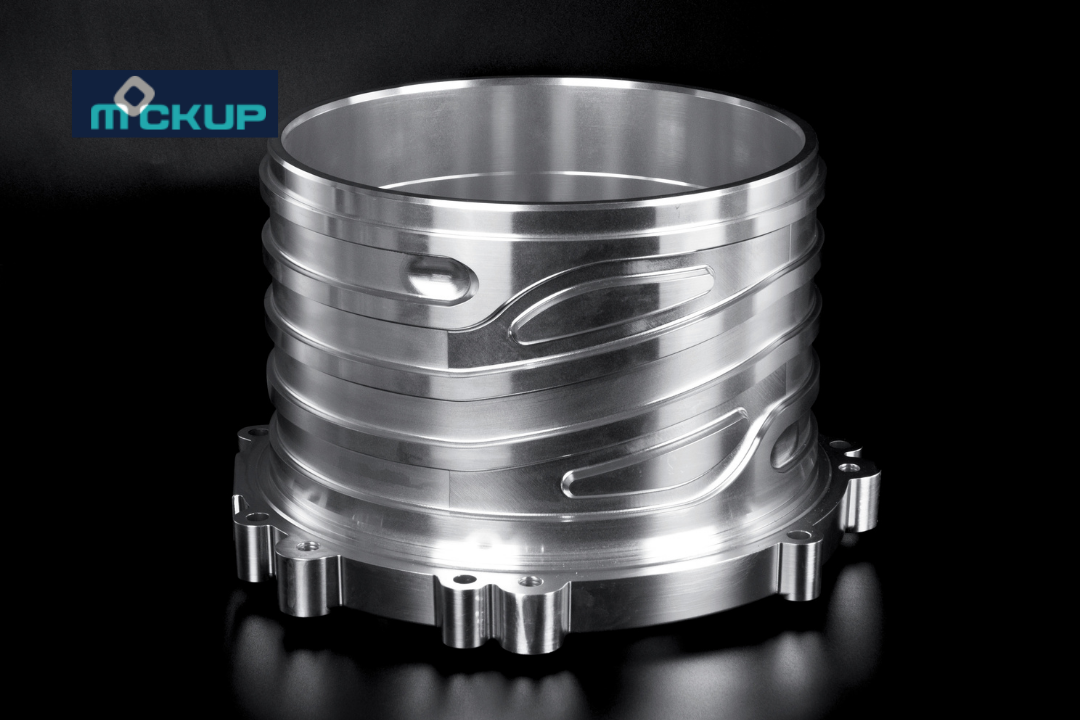
For housings, brackets, suspension components, powertrain parts, thermal components and precision interfaces.
Explore service↗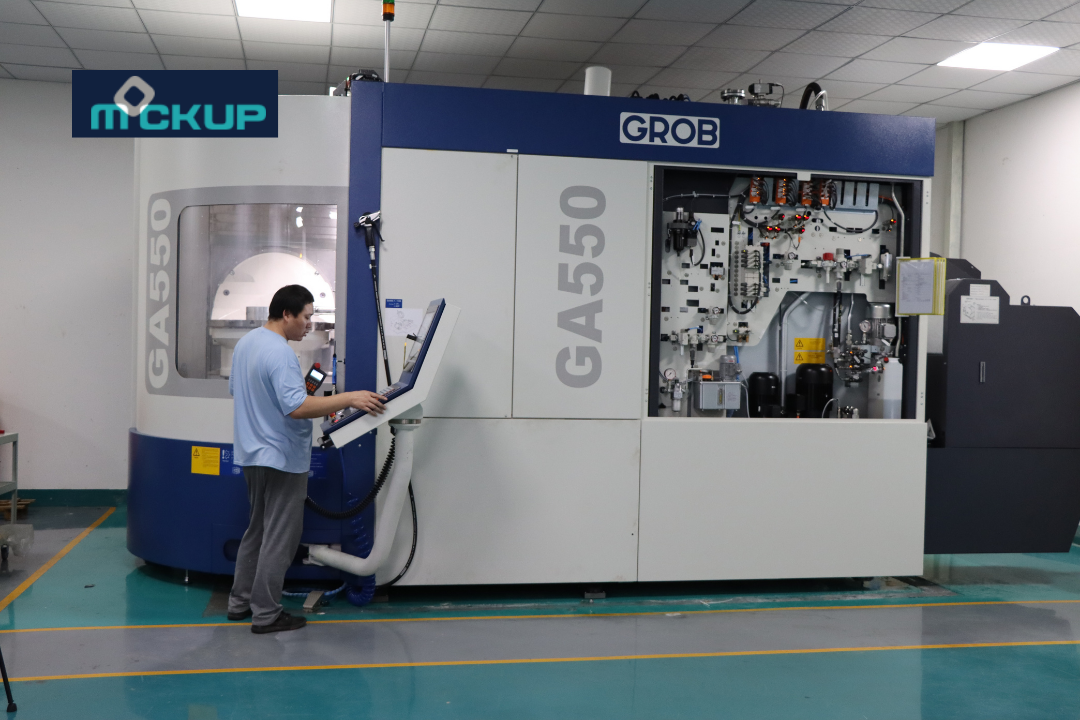
For complex motor housings, structural components and prototype castings with features across multiple faces.
Explore service↗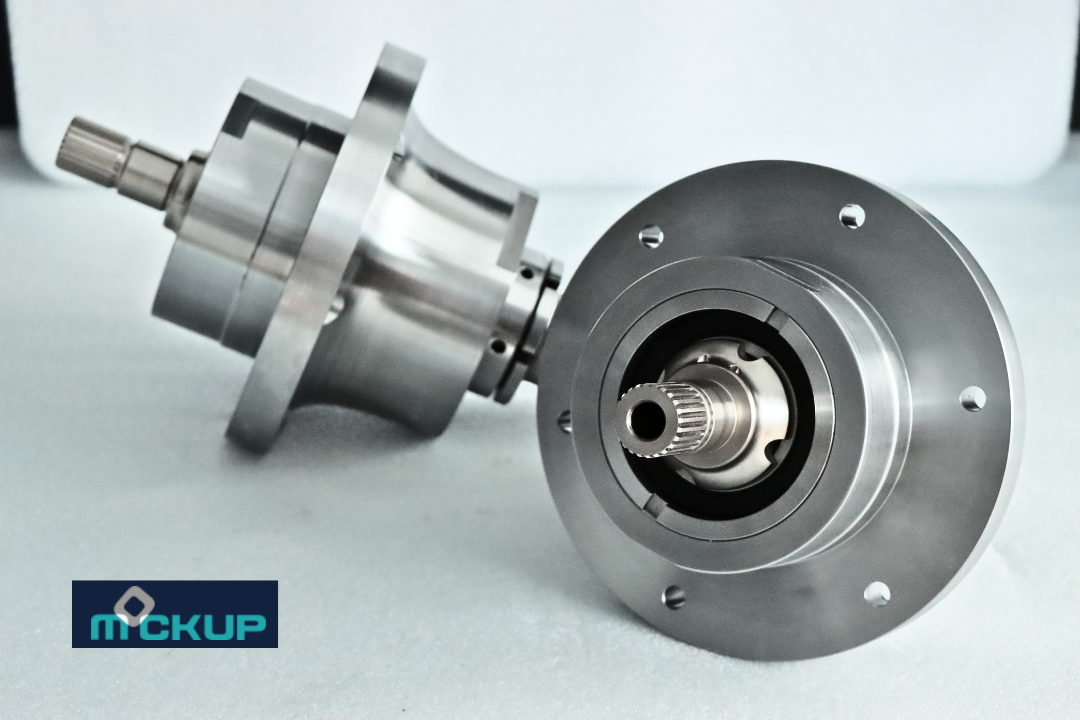
For shafts, bushings, spacers, fittings and rotational components requiring controlled diameters and concentricity.
Explore service↗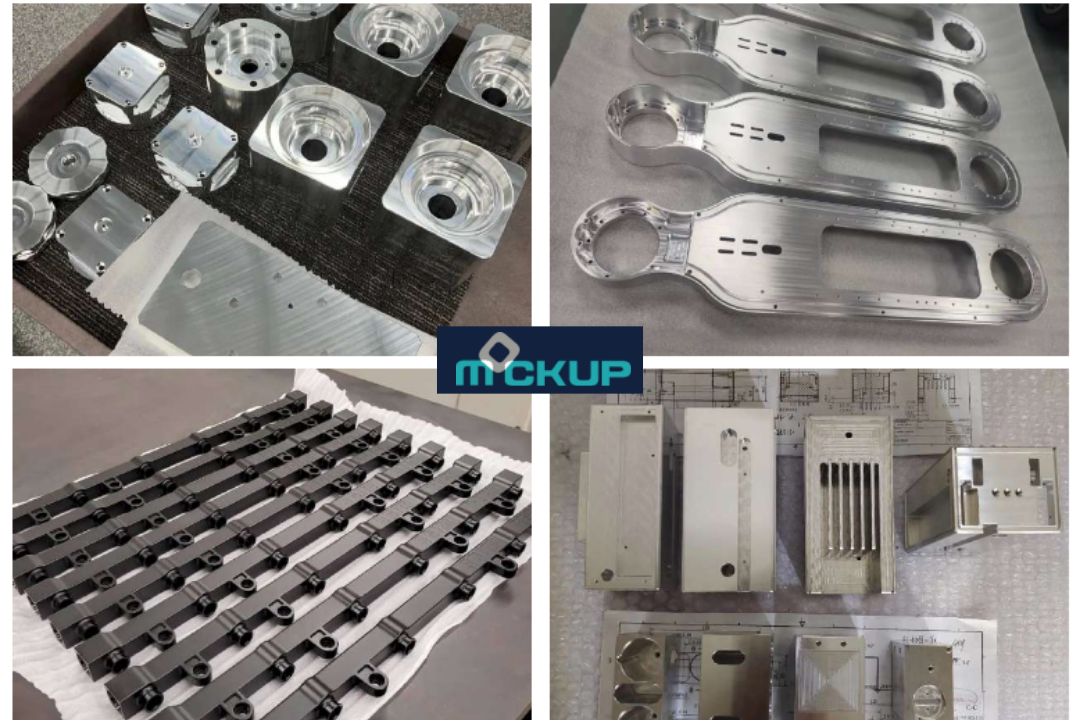
For battery structures, brackets, enclosures, chassis components, panels and prototype vehicle structures.
Explore service↗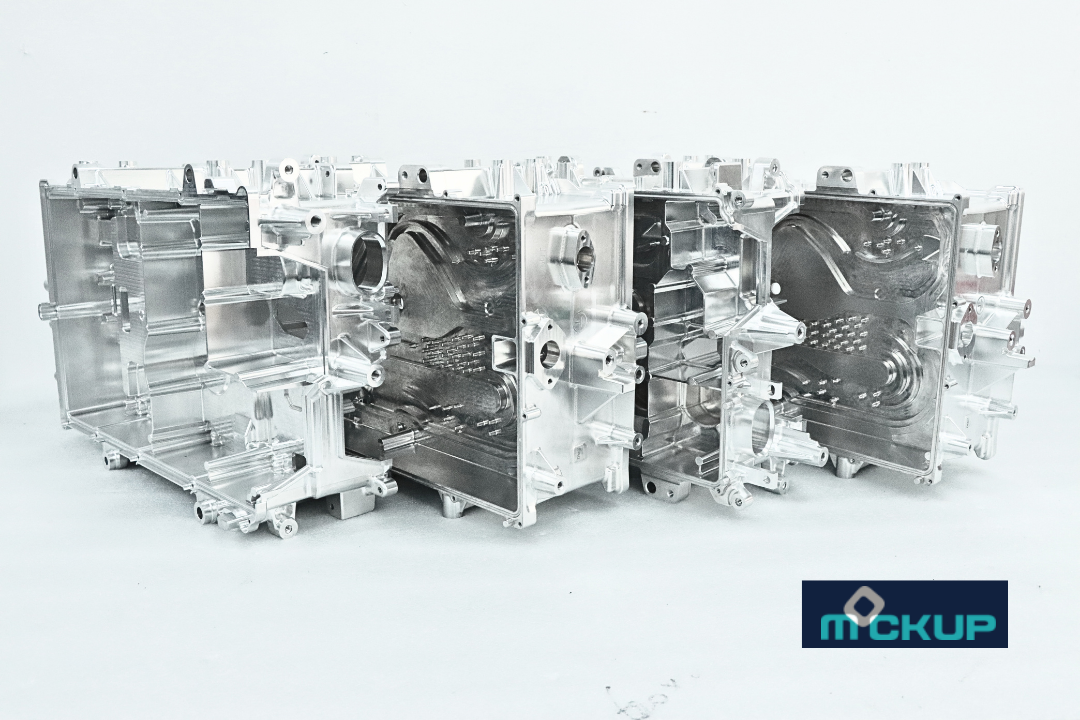
For aluminum and zinc components when geometry and production volume justify dedicated tooling.
Explore service↗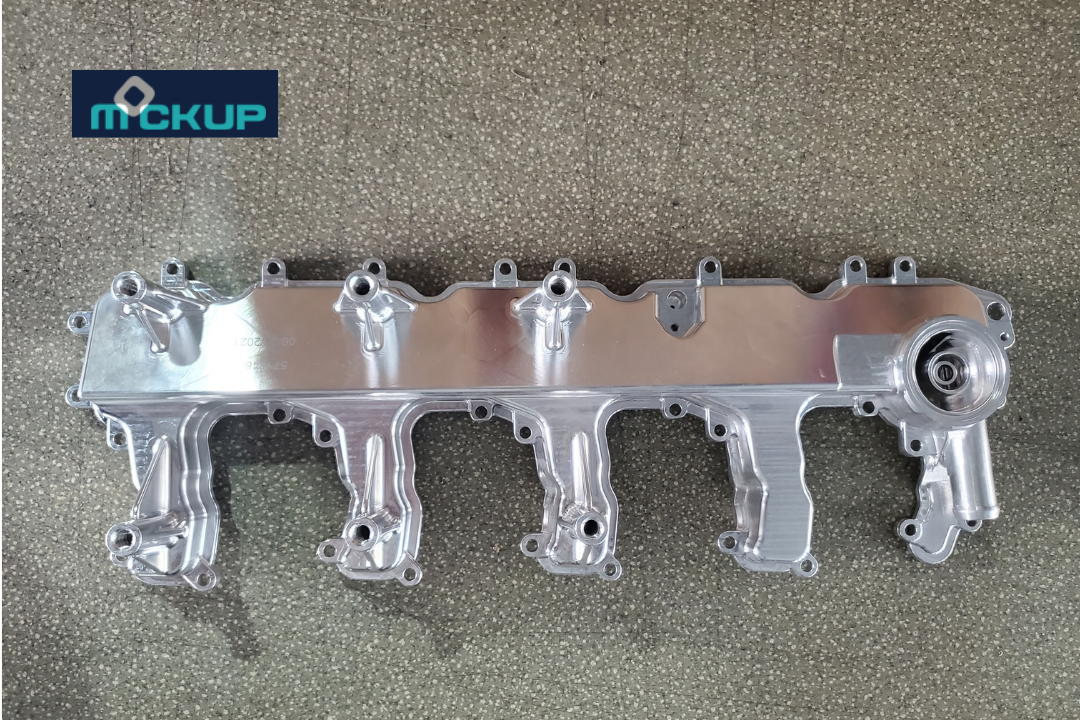
For interior, enclosure and functional polymer components moving toward repeat production.
Explore service↗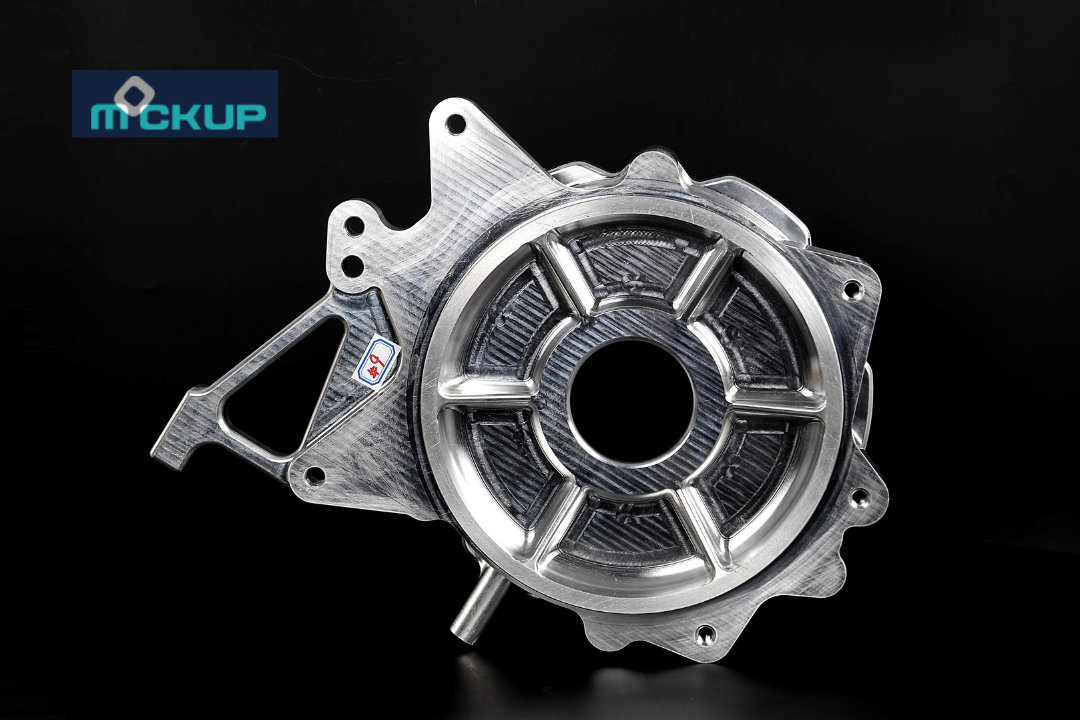
For prototype ducts, housings, brackets, interior components and fast packaging studies.
Explore service↗Material and finish should follow each component's weight, load, heat, corrosion, wear and appearance requirements.
Aluminum 6061, 7075 and 5052; stainless, carbon, alloy and tool steels; POM, nylon, PEEK, ABS and PC.
View All Materials ↗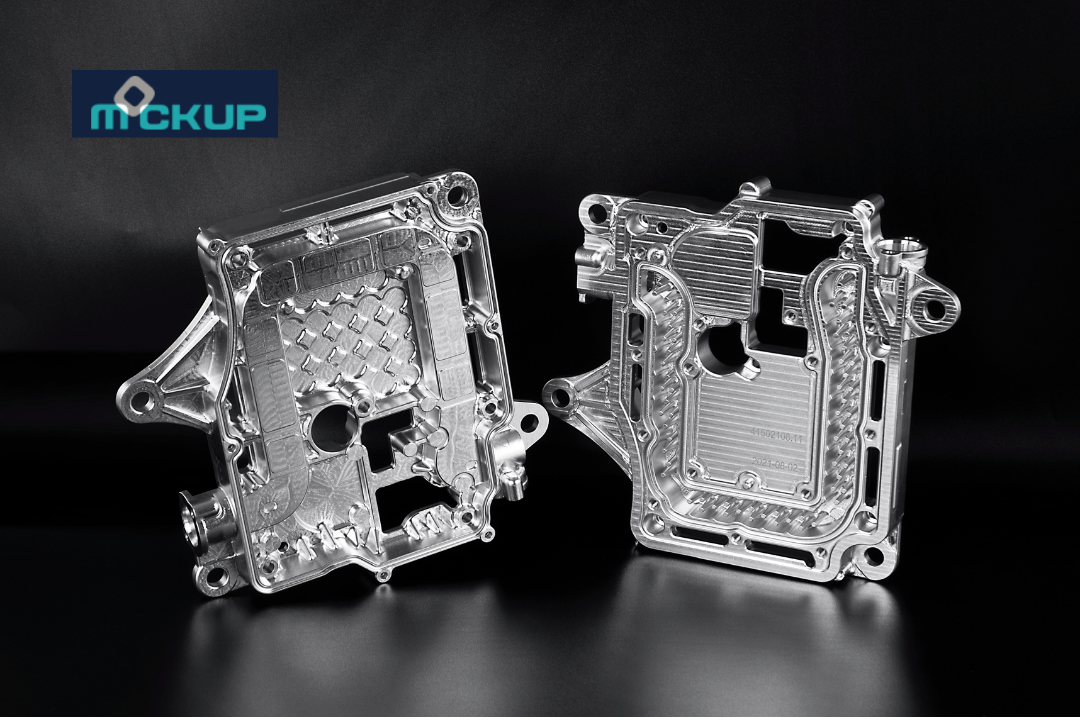
Anodizing, hard anodizing, passivation, electroless nickel, zinc plating, black oxide, powder coating, painting, bead blasting and polishing.
View All Surface Finishes ↗Development route: Concept → Functional Prototype → Vehicle Validation → Pilot Build → Repeat Production.
Produce physical components for space claims, vehicle architecture and early assembly evaluation.
Use production-intent materials to evaluate mechanical interfaces, thermal behavior and fit.
Manufacture controlled components for test vehicles and engineering verification.
Stabilize geometry, materials, tooling, finishing and inspection across controlled quantities.
Carry approved manufacturing information into subsequent production releases.
Electric vehicles shift mechanical manufacturing toward batteries, power electronics, electric motors and thermal systems.
Battery trays, housings and mounting structures balance weight, stiffness, sealing and assembly.
Motor housings, gearbox components, shafts and mounts require controlled bearing, sealing and mounting interfaces.
Inverter and controller housings combine electronics packaging with mounting, sealing and heat-transfer requirements.
Cold plates, cooling plates and heat sinks require flat interfaces, controlled channels and reliable connections.
Camera, radar and LiDAR mounts depend on stable positioning relative to the vehicle structure.
Weight, structural loads, thermal behavior, assembly variation and surface protection must work together in the vehicle.
Reducing mass needs to be balanced against stiffness, fatigue and structural requirements.
Battery trays, housings and structural parts combine large dimensions with localized precision interfaces.
EV components require controlled flatness and surface condition at heat-transfer interfaces.
Combined variation across brackets, housings and structures can create vehicle-level fit problems.
Prototype machining can validate geometry before transition to casting, stamping or molding.
Moisture, road contaminants, heat and wear make surface treatment part of the production strategy.
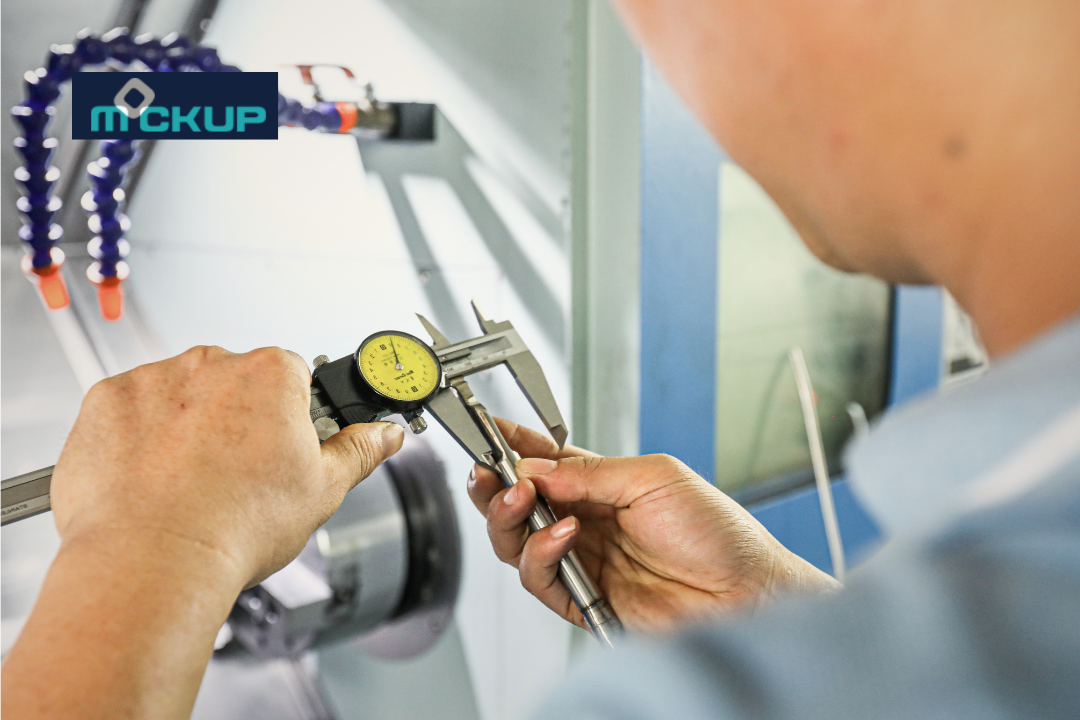
CMM, gauges and project-specific inspection methods can be selected according to the drawing and production stage. FAI, dimensional reports, material records and CoC can be supplied where agreed.
CMM, gauges and project-specific inspection methods can be selected according to the drawing and production stage. FAI, dimensional reports, material records and CoC can be supplied where agreed.
Prototype and production support across electric, structural, thermal and vehicle-development systems.
Battery, motor, inverter, thermal-management and structural components.
Housings, shafts, brackets, transmission components and mechanical interfaces.
Structural brackets, mounting components, suspension hardware and development parts.
Camera, radar, LiDAR and sensor mounting hardware.
Cooling plates, cold plates, heat sinks, housings and fluid-management components.
Prototype trim, housings, brackets, controls and functional interior hardware.
Fixtures, test stands, calibration hardware and vehicle-development tooling.
Yes. CNC machining, sheet metal fabrication, 3D printing and other flexible processes can support concept, functional and vehicle-validation prototypes.
Yes. Aluminum, steel, stainless steel and engineering plastics can be used so prototypes more closely represent production behavior.
Yes. Mockup supports battery structures, motor and inverter housings, cooling components, electronics enclosures and other EV mechanical hardware.
Yes. Assembly fixtures, inspection fixtures, nests, test hardware and other custom tooling can be manufactured.
Yes. CNC machining can validate geometry before a design transitions to die casting when volume justifies production tooling.
Yes. Prototype, validation, pilot and repeat low-volume quantities can be supported according to process and project requirements.
FAI, dimensional inspection reports, material records and CoC can be supplied where agreed before production.
Share your vehicle system, CAD, drawings, material requirements and development stage. Mockup will review processes, materials, finishing, critical interfaces and inspection requirements.