
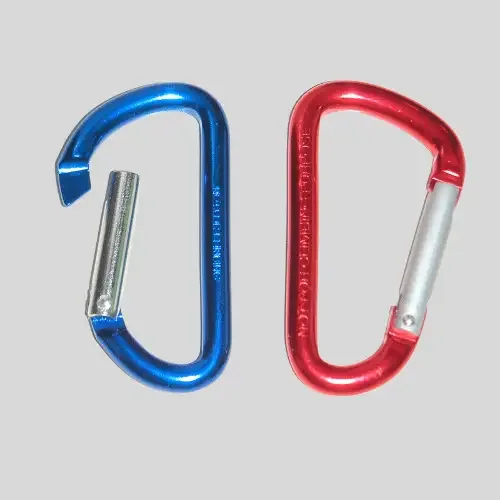
 PROTECT THE SUBSTRATE
01
Corrosion Protection
Anodizing, chem film, passivation, zinc plating, electroless nickel, powder coating and painting.
Improve appearance, corrosion resistance, wear performance, conductivity or cleanability without separating finishing from the manufacturing requirements. Mockup coordinates finishing with material, masking, dimensional allowances and final inspection.
Send your drawing, material, finish specification and cosmetic requirements. We will review substrate condition, coating buildup, masking, appearance and post-finish dimensions.
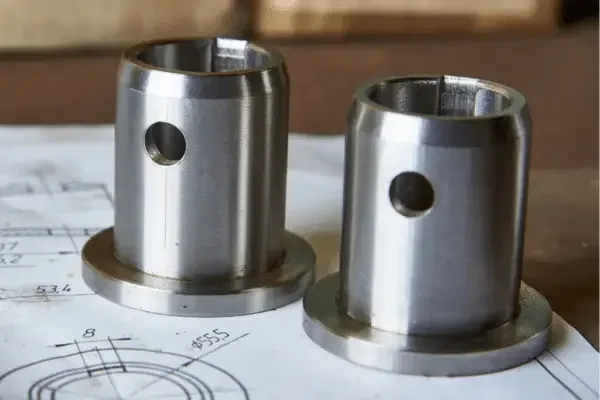
The right finish depends on material, environment, appearance and functional interfaces. Match the route to the performance requirement—not merely a final cosmetic step.
PROTECT THE SUBSTRATEAnodizing, chem film, passivation, zinc plating, electroless nickel, powder coating and painting.
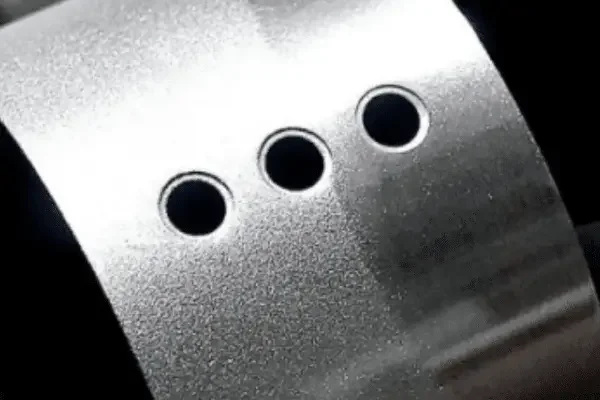 IMPROVE SURFACE LIFE
Hard anodizing, electroless nickel, heat treatment and specialized coatings for contacting components.
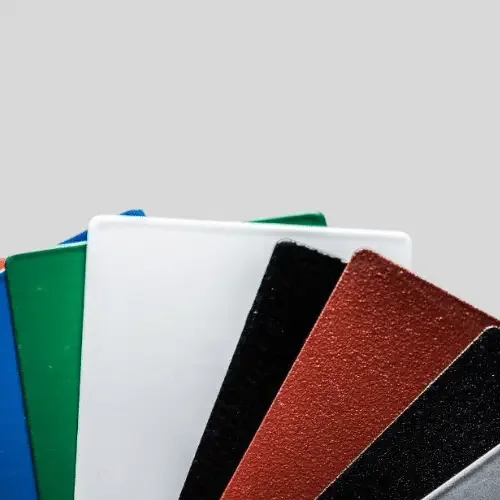 CONTROL VISUAL QUALITY
Bead blasting, brushing, polishing, painting, powder coating and anodizing for customer-facing parts.
PROTECT FUNCTIONAL AREASChem film, nickel or tin plating and selective masking for electrical contact and grounding areas.
SPECIAL REQUIREMENTSPassivation, electropolishing and project-specific treatments for controlled surface condition.
Compare common finishing routes by substrate, appearance and performance requirement.
Metals / Plastics
Functional surface; controlled machining marks
Aluminum / Stainless / Steel
Uniform matte texture
Aluminum / Stainless
Directional cosmetic finish
Metals / Plastics
Smooth or reflective appearance
Aluminum
Corrosion protection, color and appearance
Aluminum
Hardness and wear resistance
Aluminum
Corrosion protection and conductivity
Stainless Steel
Improved corrosion resistance
Steel
Dark appearance and light corrosion protection
Metals
Wear, corrosion protection and uniform coating
Steel
Cost-effective corrosion protection
Metals
Appearance, hardness or wear performance
Metals
Durable color and protective coating
Metals / Plastics
Color, appearance and protection
Stainless Steel
Smoother, cleaner surface
Metals / Plastics
Permanent identification and graphics
Typical production values are reviewed against material, geometry, color and functional requirements before process commitment.
Finishing can change dimensions, appearance, conductivity and assembly fit. Define critical requirements on the drawing before processing.
Finish type and governing standard
Color, gloss, texture and cosmetic surfaces
Coating thickness and post-finish dimensions
Threads, precision fits and finish-free areas
Contact or grounding surfaces
Rack and contact-mark restrictions
Approved physical samples where needed
Reduce handoffs by coordinating the base part, dimensional allowances, masking and final inspection through one project workflow.
Anodizing, hard anodizing, chem film, passivation, plating, bead blasting and polishing.
Powder coating, painting, anodizing, plating, brushing and passivation.
Surface preparation, coating, polishing, painting and project-specific finishes.
Sanding, polishing, painting, blasting and material-dependent post-processing.
Yes, subject to incoming-part review. Material, existing surface condition, contamination and previous treatments should be confirmed before finishing.
Yes. Many processes add or remove material. Critical post-finish dimensions and masking requirements should be identified on the drawing.
Yes, depending on the process. RAL, Pantone, recognized finish standards or approved physical samples can be used as references.
Standard anodizing is commonly selected for corrosion resistance and appearance. Hard anodizing creates a thicker, harder oxide layer where wear resistance matters.
Yes. Threads, holes, bearing interfaces, electrical contacts, grounding surfaces and other critical areas can be selectively masked.
Yes. Coating thickness can be defined according to the process and functional requirement. Tight fits should be reviewed using expected buildup.
Yes. Mockup can coordinate machining, fabrication, finishing and assembly so dimensional and cosmetic requirements are considered before the base part is made.
Certificates of conformity, coating-thickness results, material or process records and specified test reports may be provided when agreed before order release.
Send your drawing, material, finish specification, color or texture reference, quantity and critical surface requirements.