
Precision for Motion-Critical Features
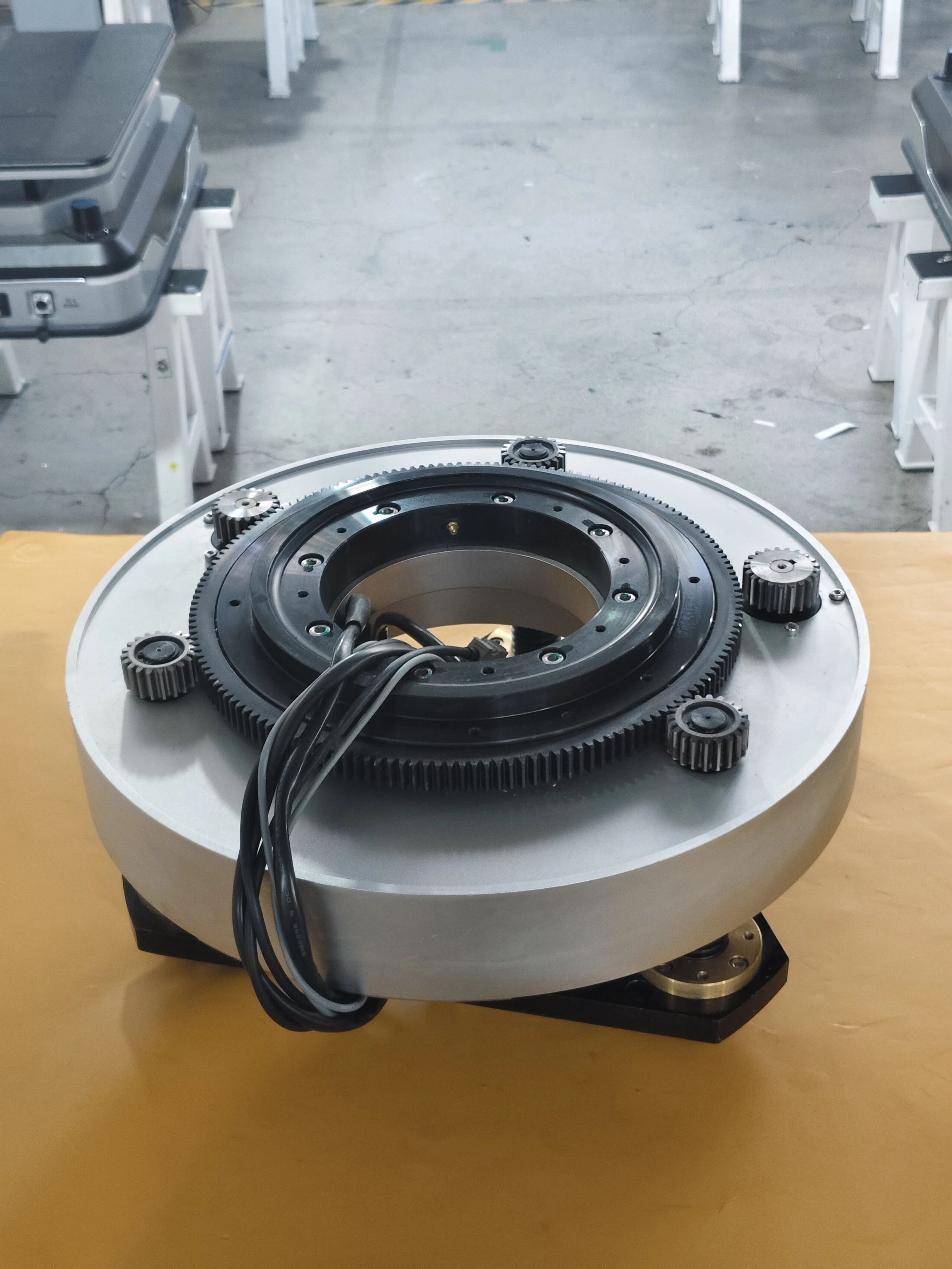
Bearing bores, shaft fits, motor mounts, gearbox interfaces and sensor datums can be manufactured and inspected around the relationships that control robotic motion.
Robotic hardware is defined by movement. Every gram, bearing fit, joint datum and cable route can affect speed, repeatability and service life.
Mockup helps robotics teams manufacture the mechanical system around those interactions—from early proof-of-concept parts to production-ready joints, end effectors, frames and assemblies.
Send the assembly, not only isolated part drawings. We can review critical motion interfaces, materials, manufacturing routes and inspection points together.
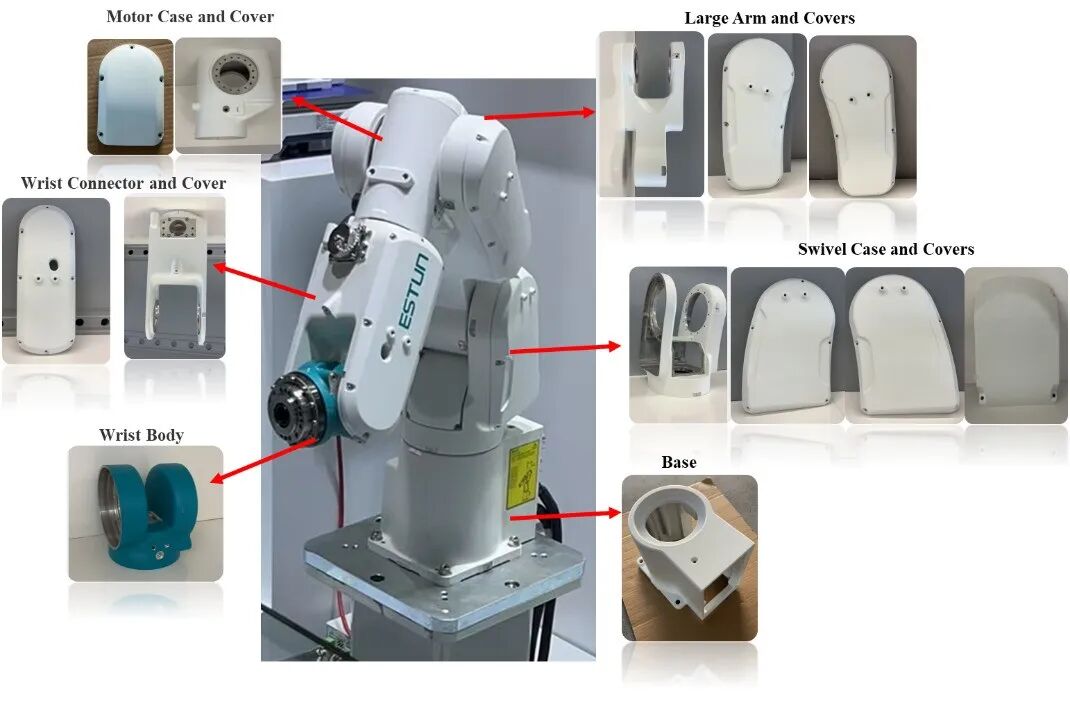
Robotic systems place unusual demands on mechanical parts. Weight affects inertia, stiffness affects repeatability, and small errors across bearings, shafts, motors and sensor interfaces can become visible once the system starts moving.
Mockup supports robotics teams with rapid prototyping, precision manufacturing and repeat production across CNC machining, sheet metal, additive manufacturing, molding and assembly. We focus on the interfaces that affect motion, fit and integration—not only isolated part dimensions.
Bearing bores, shaft fits, motor mounts, gearbox interfaces and sensor datums can be manufactured and inspected around the relationships that control robotic motion.
Move from proof-of-concept parts to functional prototypes, pilot builds and repeat production while carrying approved materials, revisions and critical interfaces forward.
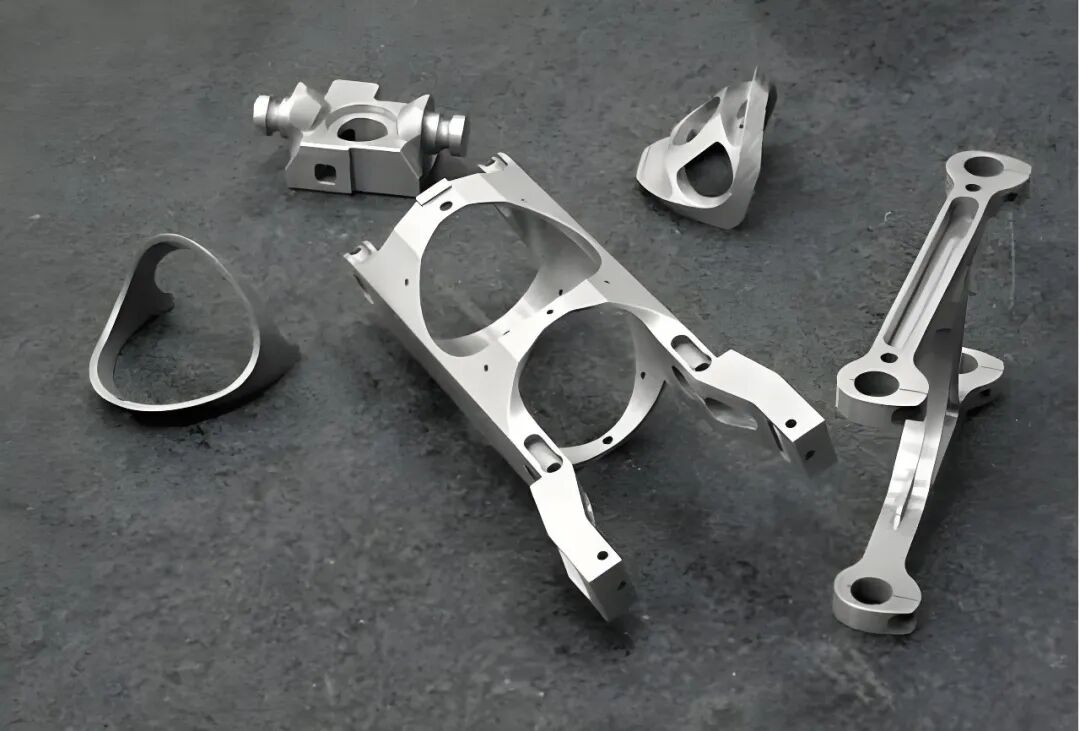
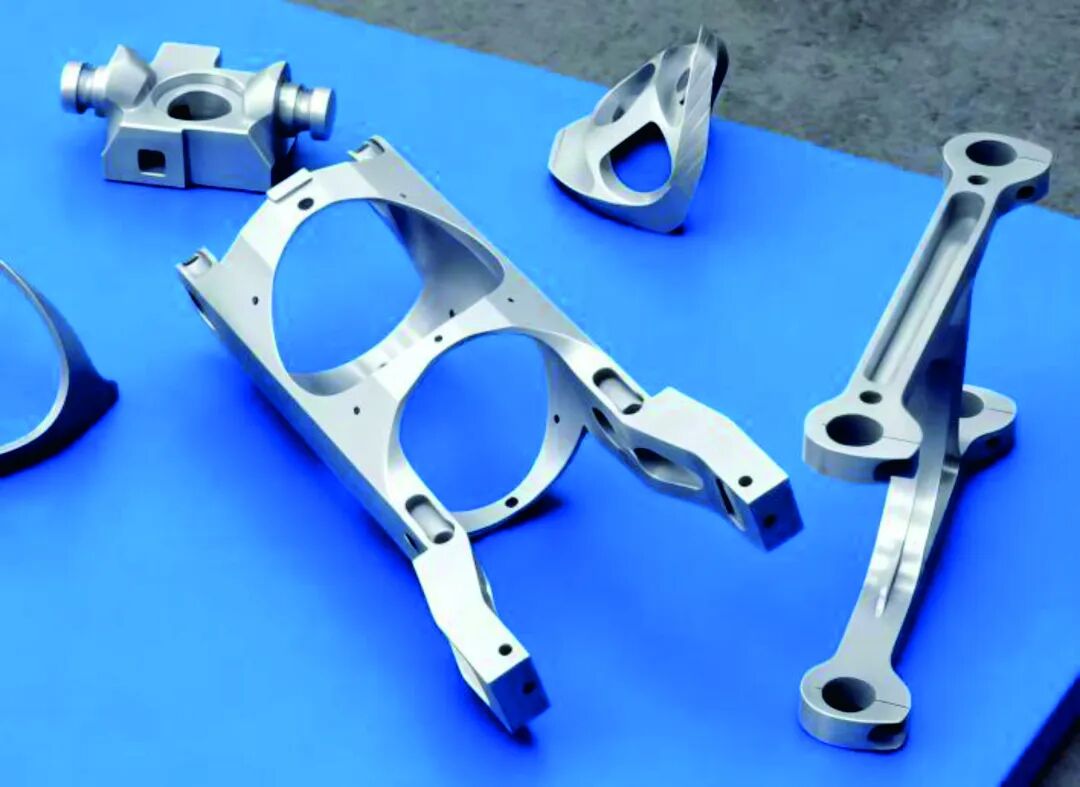
Compare CNC pocketing, high-strength aluminum, sheet metal structures and additive manufacturing when lower moving mass is important to payload, acceleration or efficiency.
Combine 5-axis CNC, turning, sheet metal fabrication, 3D printing, molding, finishing and assembly within one project instead of managing separate suppliers.
Send the assembly CAD, drawings and BOM. Mockup can review process choice, difficult features, tolerance risks and production requirements before manufacturing starts.
Inspection can focus on bore alignment, shaft fits, parallelism, mounting datums, sensor position, component mass, insert retention and final assembly fit.
One robotic system may combine five or more manufacturing processes. The route should follow the function of each component rather than forcing every part into the same process.
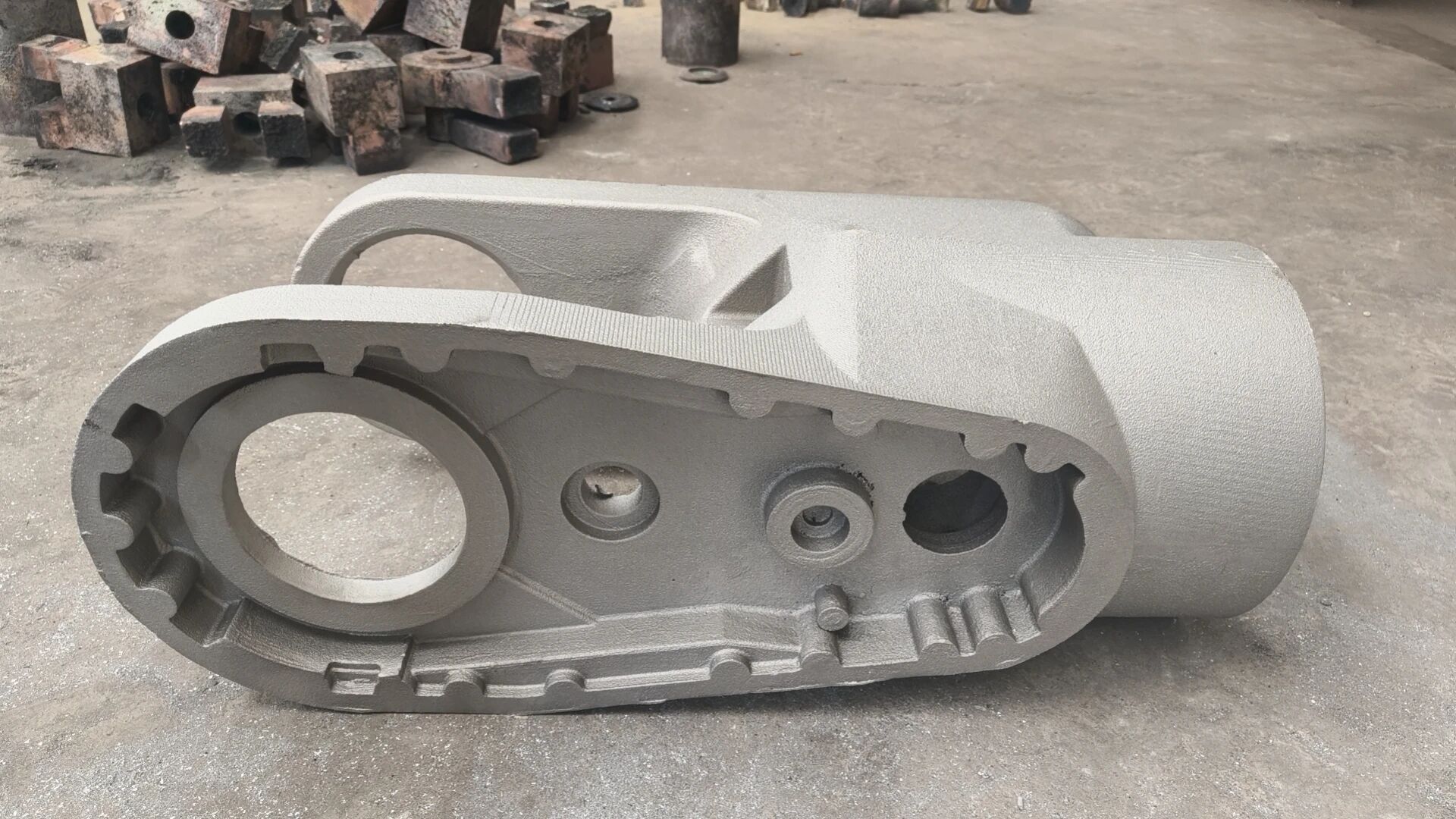
Best suited to compact housings with bearing bores, motor interfaces and features located across multiple faces. Reducing setups can help preserve positional relationships between critical joint features.
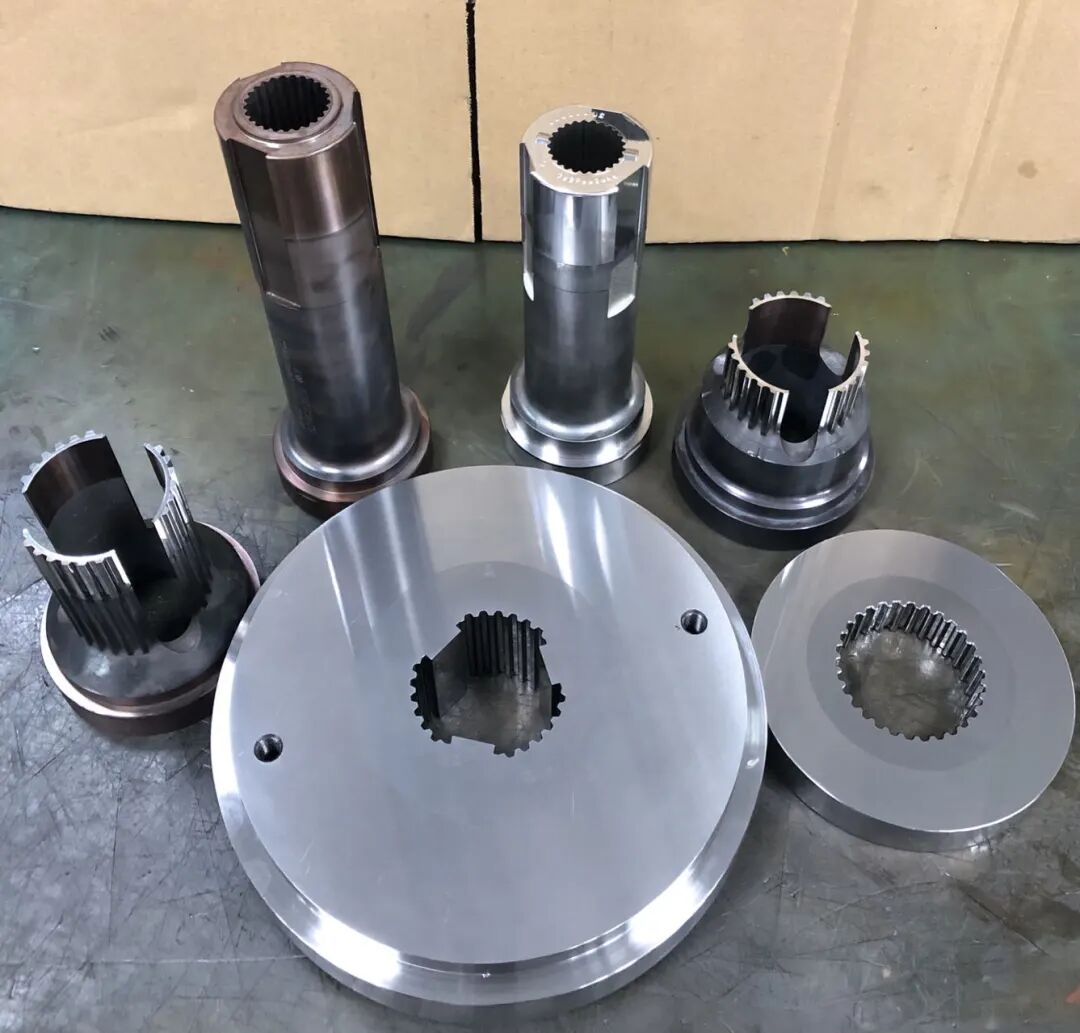
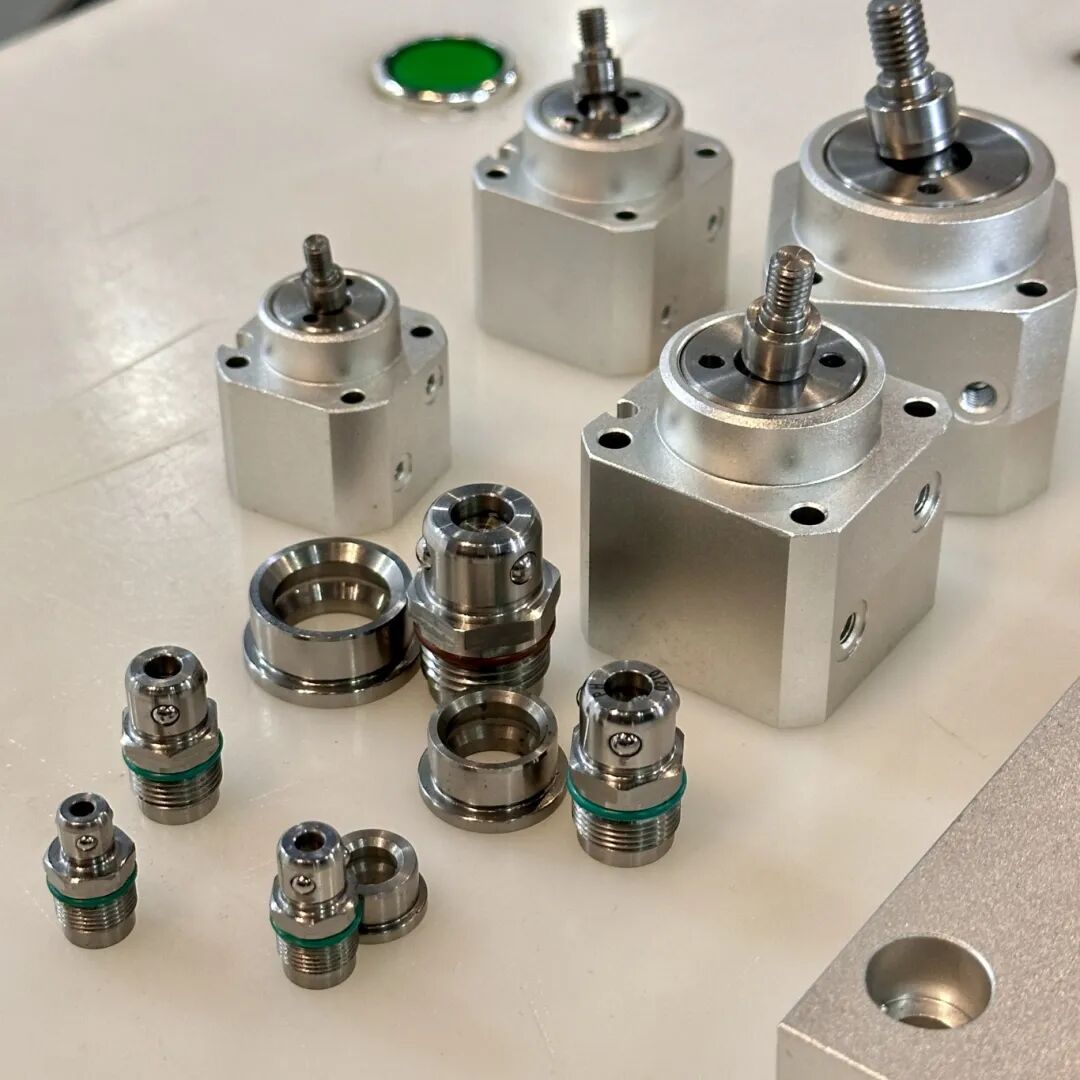
Used for shafts, pins, bushings, spacers and other rotational components where diameter, concentricity and surface finish matter.
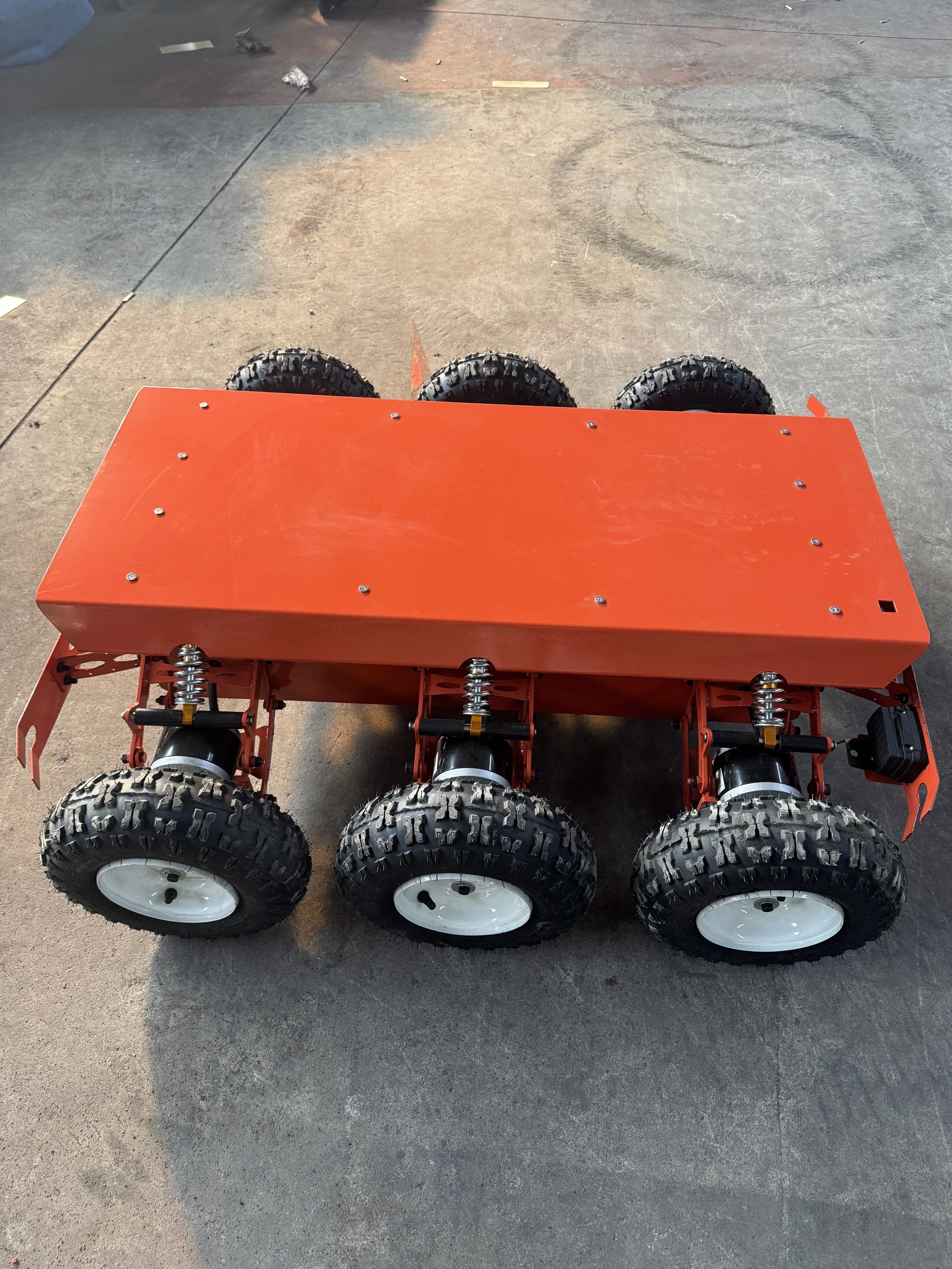
Efficient for larger structures, guards, electronics housings, mobile robot chassis and welded frames.
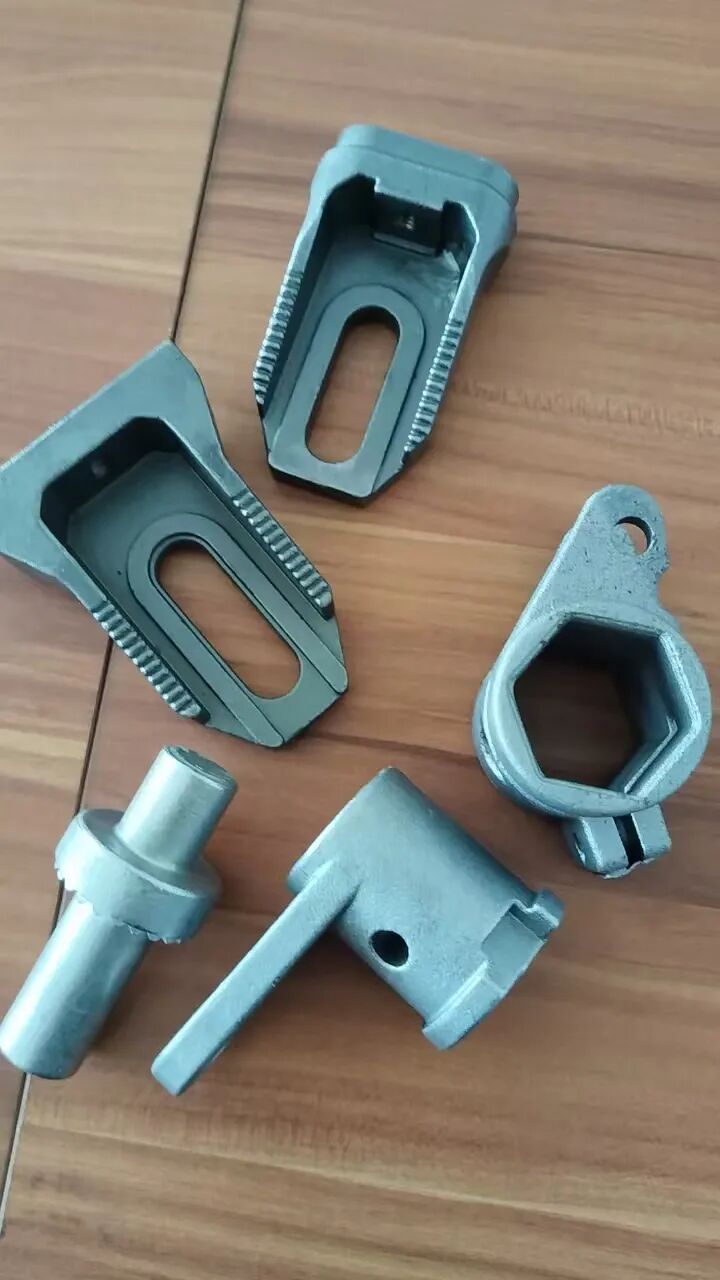
Useful for ducts, cable guides, covers, guards and functional prototype components with complex geometry.
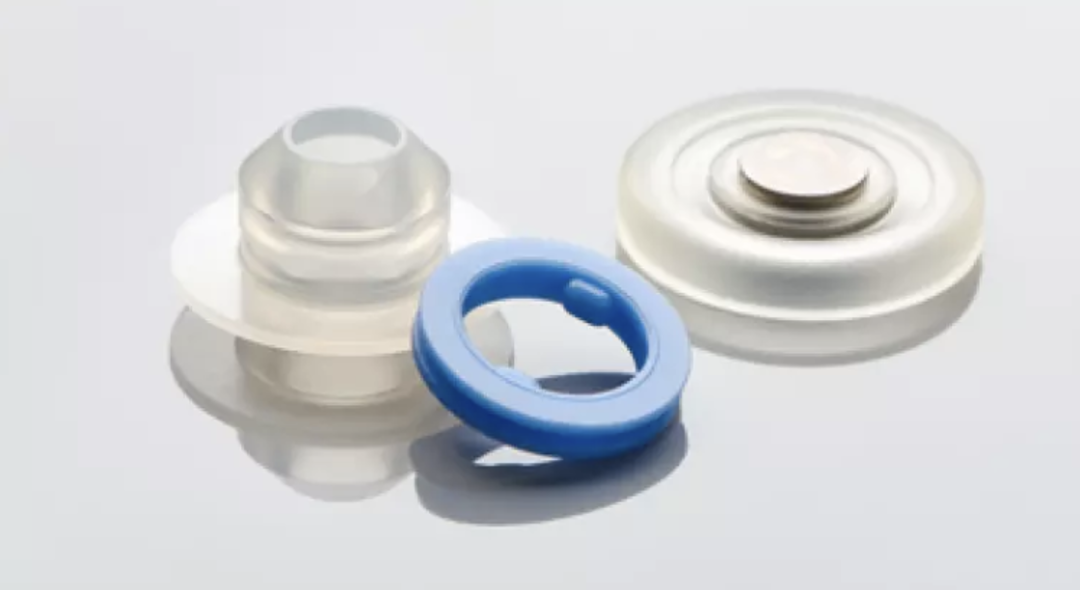
Suitable when enclosure geometry is stable and production volume justifies tooling.
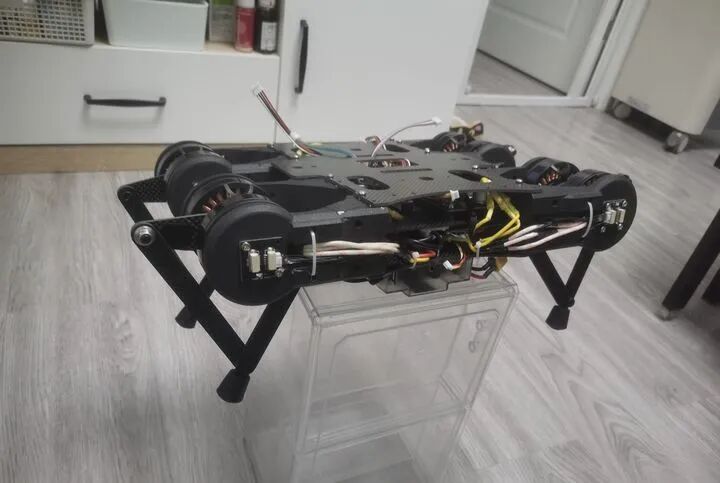
Machined parts, sheet metal, polymer components and purchased hardware can be brought together into mechanical subassemblies.
Building reliable robotic hardware requires more than producing parts to drawing. Joint alignment, moving mass, structural stiffness, bearing fits and assembly interfaces all influence how the finished robot performs.
Mockup supports robotics development from early functional prototypes to repeat production. CNC machining, sheet metal fabrication, 3D printing, molding, finishing and assembly can be combined according to the needs of each component.
Production-intent materials allow teams to test real mechanical behavior before scaling, while controlled revisions and inspection requirements help approved designs transition into production.
Start a robotics manufacturing project ↗Robotics teams often ask for lighter parts, but simply removing material is rarely the best answer. The design should consider where the mass sits, how the load travels through the structure and which regions protect bearing or fastener interfaces.
Remove low-value internal mass while keeping material around load paths and precision interfaces.
Compare aluminum, high-strength aluminum, titanium, steel or engineering polymers according to load and motion requirements.
Some large machined structures can be redesigned as formed or welded sheet metal assemblies.
Topology-driven or hollow geometries may be practical for selected low-volume components.
Keep stiffness around bearings, fasteners, motors and structural joints rather than applying uniform wall thickness.
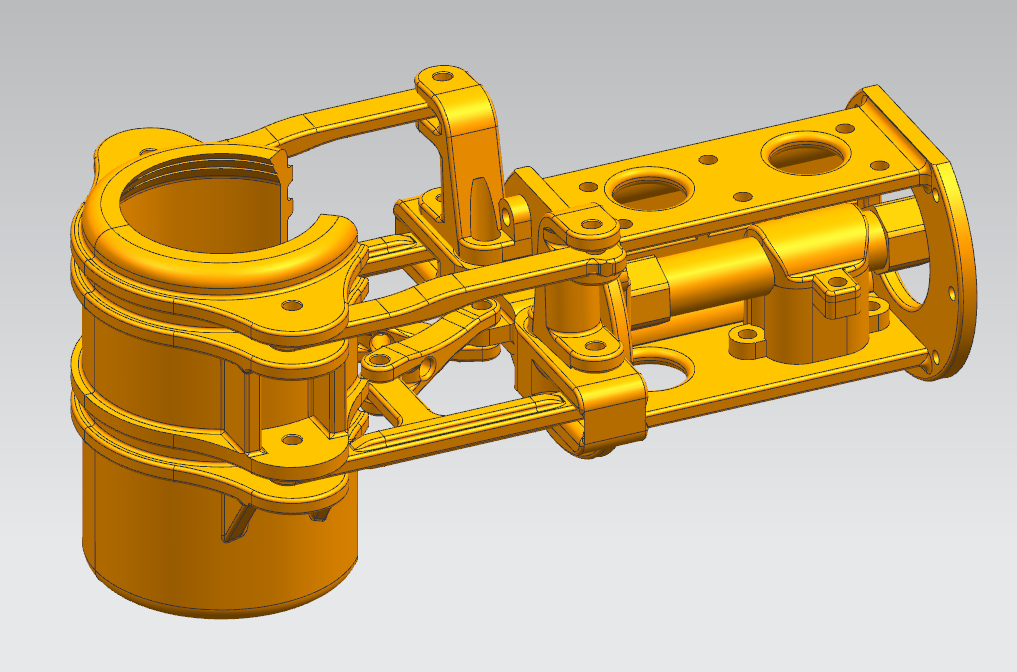
Robotics programs rarely follow a straight prototype-to-production path. Mechanical changes are often driven by motion testing, payload changes, thermal behavior, sensor placement or assembly feedback. Development loop: Build → Assemble → Move → Measure → Revise → Build Again.
Test movement, geometry and basic architecture quickly. Processes typically favor speed and flexibility.
Introduce production-intent materials and interfaces so stiffness, load, fit and motion can be evaluated realistically.
Freeze critical datums, bearing interfaces, hardware and assembly relationships while continuing to refine non-critical geometry.
Validate manufacturing repeatability, assembly sequence and inspection methods across a controlled batch.
Carry approved revisions, process knowledge and critical inspection requirements into future releases.
Not every dimension on a robotic part needs the same level of control. Protect the features that affect motion, alignment and assembly instead of over-tolerancing the entire part.
A drawing may describe one component, but its real function exists inside a larger mechanical system. When possible, provide neighboring parts, assembly CAD or interface information so manufacturing decisions can be reviewed in context.
Bore size alone is not enough; material, wall thickness, finish and assembly method can also affect the final bearing interface.
Mounting flatness, hole location and structural stiffness influence motor alignment under load.
Diameter, shoulder position, concentricity and mating geometry need to work as one rotational system.
Position matters only relative to the calibrated frame of reference.
Protective parts should allow motion, connector access and service without introducing interference.
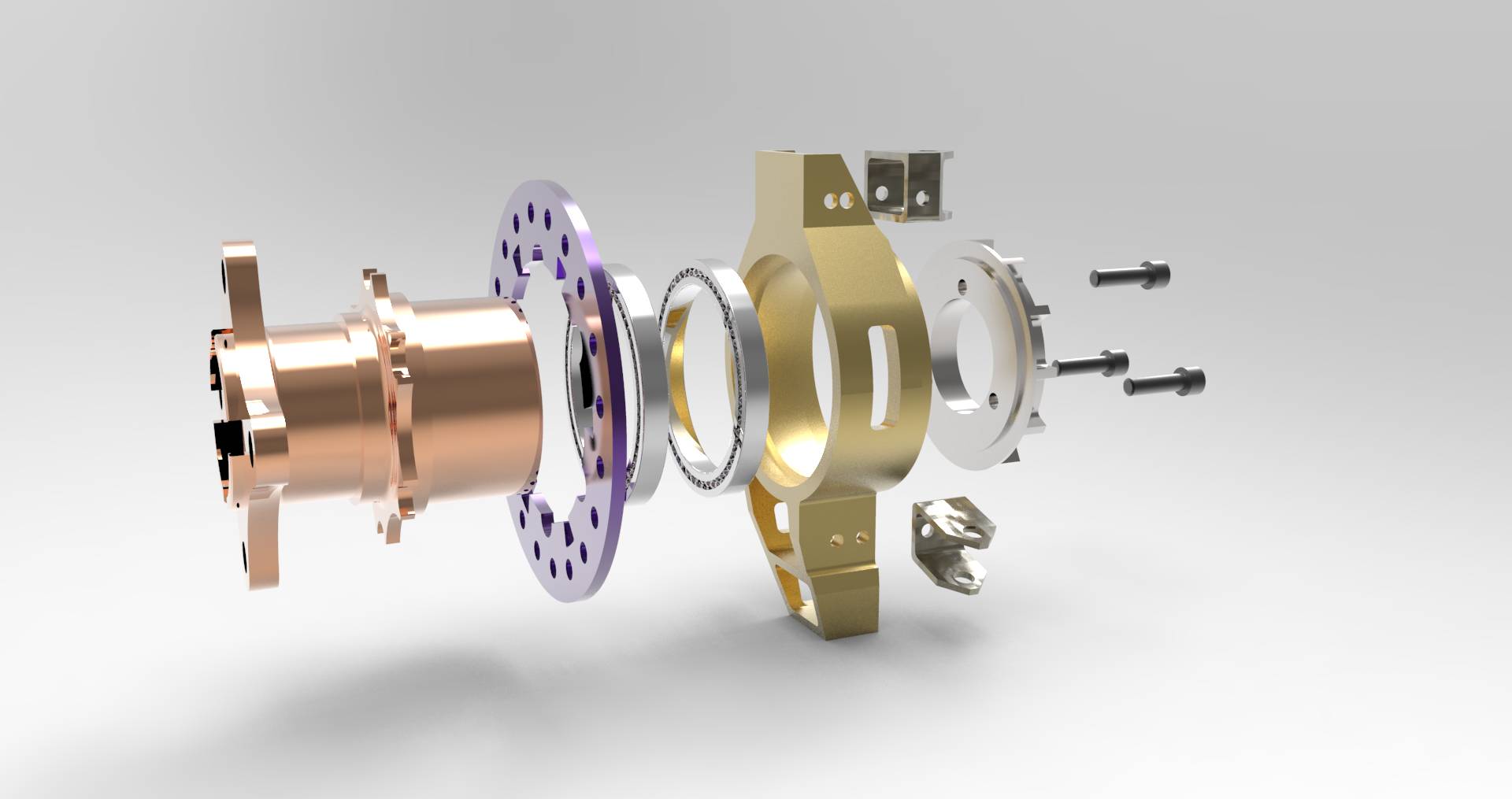
Select material around load, moving mass, friction, environment and the function of each interface.
A common choice for brackets, housings, frames and end effectors where machinability, weight and cost need to stay balanced.
Useful for higher-load lightweight structures where additional strength is needed without moving to steel.
Selected for shafts, pins, wear components and interfaces carrying higher loads.
Considered when high strength-to-weight performance justifies higher material and machining cost.
Useful for guides, spacers and low-friction components.
Selected for demanding temperature, chemical or performance requirements.
Well suited to additive covers, ducts, guards and cable-routing components.
Robotics quality often depends on relationships between features. Where appropriate, CMM inspection and dedicated gauges can be used around the most important interfaces.
Robotics quality often depends on relationships between features. Where appropriate, CMM inspection and dedicated gauges can be used around the most important interfaces.
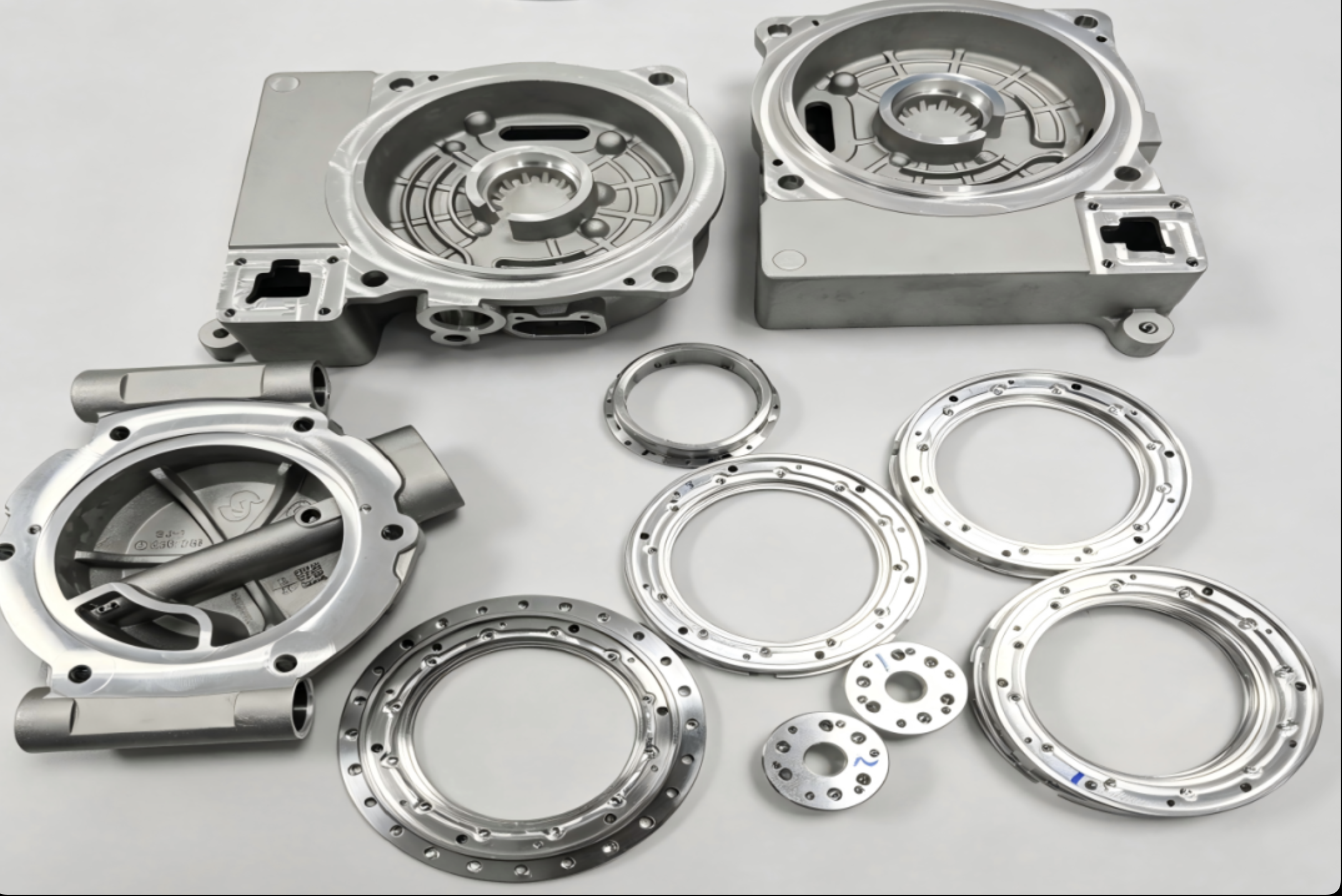
Mechanical parts and assemblies built around the different motion, structure and sensing needs of each robotic platform.
Joint housings, end effectors, structural components, calibration fixtures and automation tooling.
Lightweight arms, grippers, covers and compact precision assemblies.
Chassis, drive components, sensor mounts, battery structures and electronics enclosures.
Grippers, lifting hardware, conveyor interfaces and structural automation components.
Camera mounts, sensor brackets, calibration fixtures and stable positioning structures.
Fast-turn prototype parts for new mechanisms, actuators and experimental robotic architectures.
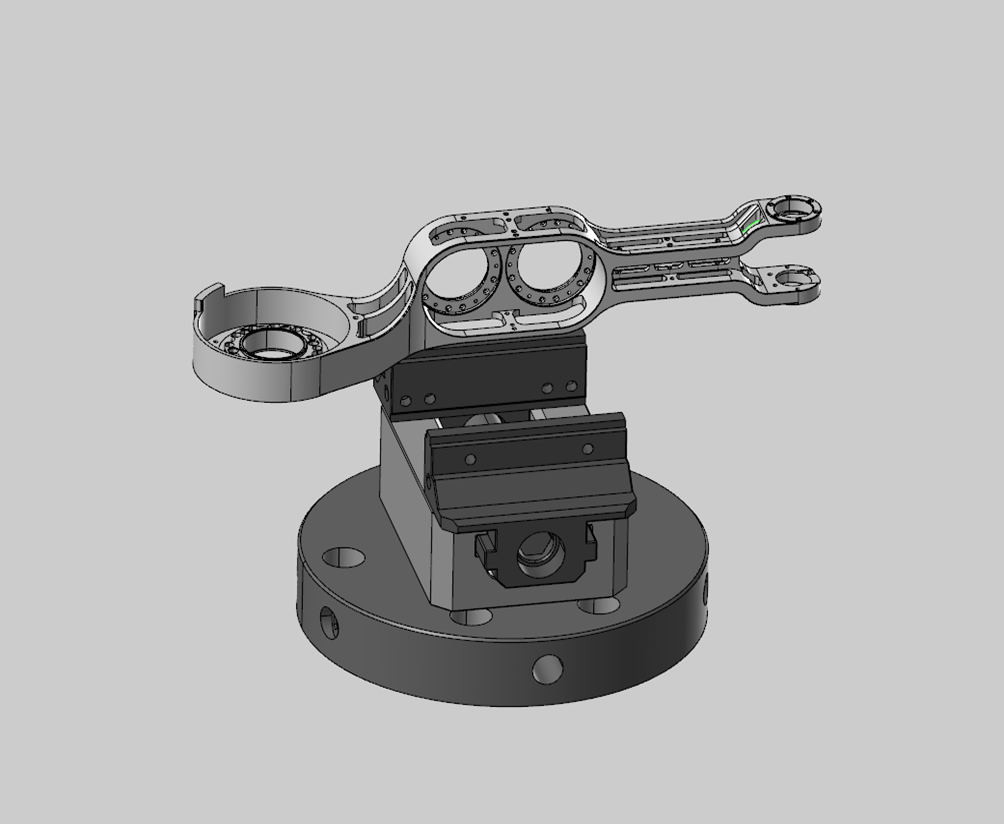
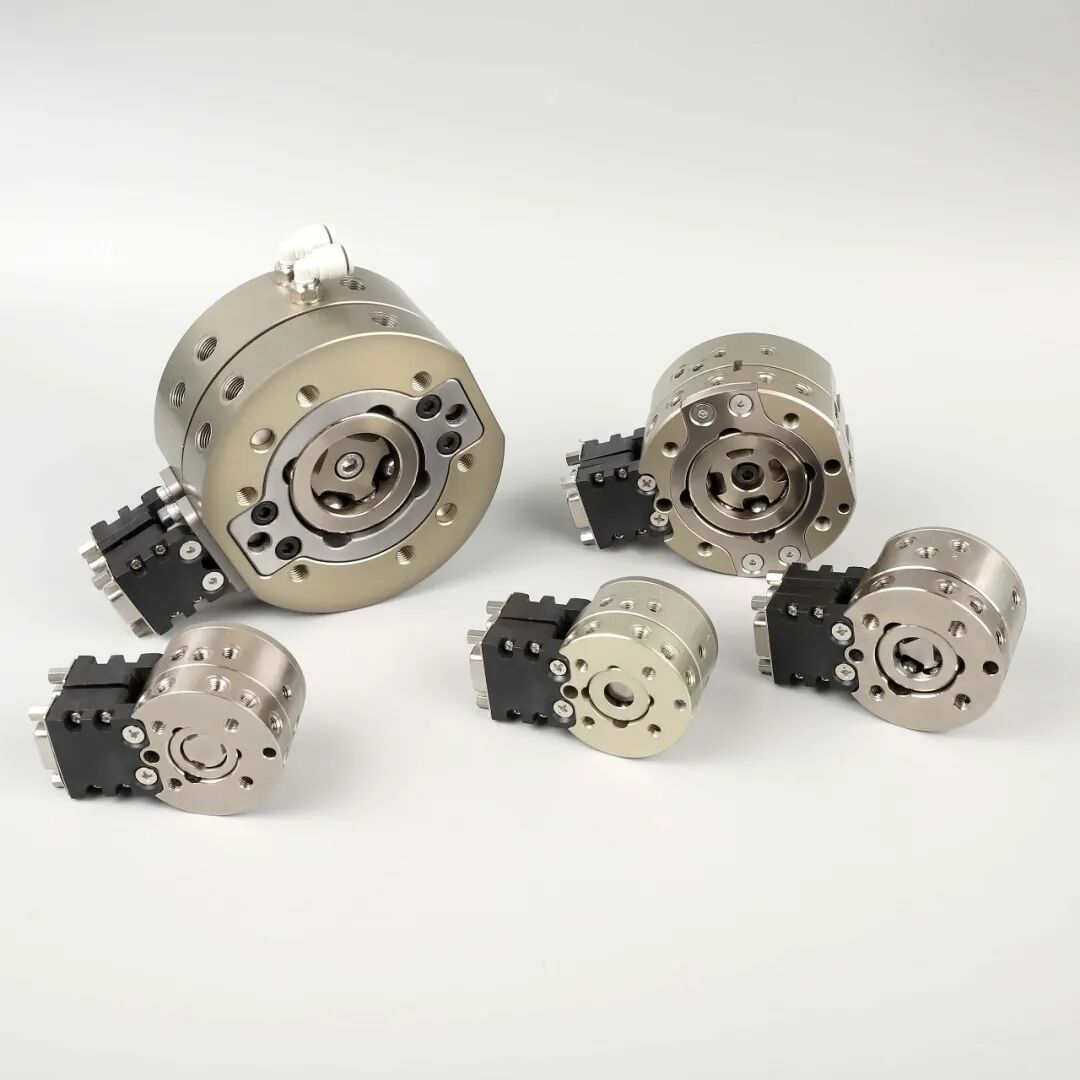
Yes. Manufacturing review can compare material substitution, CNC pocketing, sheet metal structures and additive manufacturing while protecting stiffness and critical interfaces.
Mockup can manufacture the custom mechanical components and coordinate hardware installation and mechanical assembly according to the project scope.
Complex joint housings often benefit from multi-axis CNC machining because bearing, motor and gearbox interfaces can be produced with fewer setups.
Yes. Functional prototypes can use production-intent aluminum, steel, stainless steel and engineering polymers so mechanical behavior is closer to the intended product.
Drawing revisions, manufacturing changes and inspection requirements can be carried forward as the design develops, helping reduce the need to restart the manufacturing process after every iteration.
Yes. Sheet metal fabrication, CNC machining, welding, finishing and assembly can be combined for mobile robot structures and related components.
Yes. Bore position, shaft relationships, flatness, parallelism, concentricity and other critical joint features can be inspected according to drawing requirements.
The best manufacturing decisions often become clear only when the part is viewed inside the robot. Share your assembly CAD, critical interfaces, expected loads and production stage so materials, processes, weight, precision and assembly requirements can be reviewed together.