
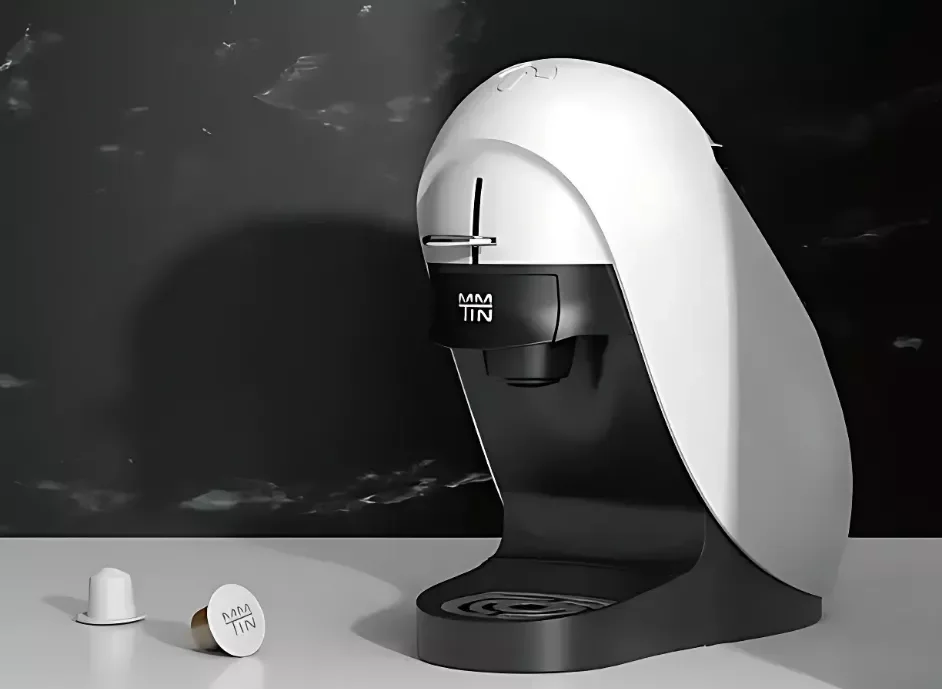
 FASTEN · LOCATE · RETAIN
01
Mechanical Assembly
Install screws, bolts, nuts, washers, pins, clips, rivets, bearings, bushings and specified hardware to approved instructions.
Bring custom-manufactured parts, purchased hardware and controlled work instructions into one assembly workflow. Mockup coordinates preparation, joining, verification and packaging so product teams manage the result—not a chain of disconnected suppliers.
Share the BOM, drawings, assembly model, work instructions, quantity, test requirements and packaging expectations. We will review sourcing boundaries, process risks and acceptance criteria.
A dimensionally acceptable component can still fail in assembly because of stack-up, orientation, finish buildup, missing hardware, torque, contamination or unclear work instructions. Integrated assembly keeps manufacturing, incoming control, joining and final verification connected.
Keep part manufacture, hardware, joining and release requirements connected.
Identify stack-up, orientation and access risks before repeat builds.
Connect dimensions, fit, function and packaging to one approved plan.
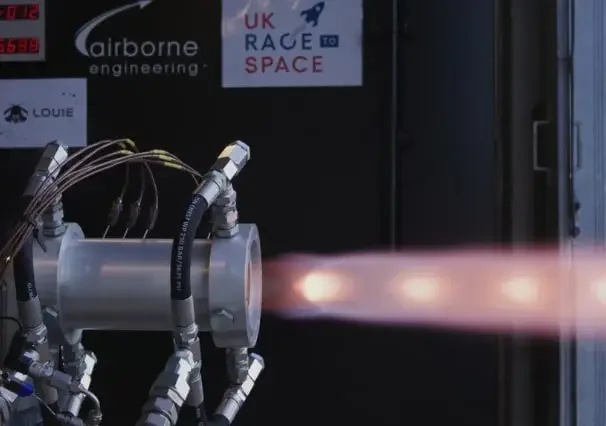
Joining method, sequence, fixtures and verification are selected around the released design and product risk.
FASTEN · LOCATE · RETAINInstall screws, bolts, nuts, washers, pins, clips, rivets, bearings, bushings and specified hardware to approved instructions.
PRESS · INSERT · VERIFYInstall PEM hardware, threaded inserts, dowels, bearings and interference-fit components with orientation and depth controls.
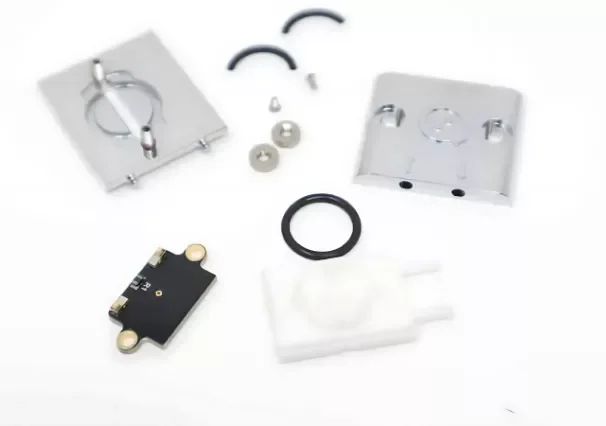 PREPARE · BOND · CURE
Coordinate surface preparation, adhesive application, cure and cleanliness requirements according to the approved project route.
JOIN · CONTROL · INSPECTReview welding, brazing, soldering and other permanent joining routes with distortion and appearance requirements.
ROUTE · CONNECT · CHECKCable routing, connectors, labels and enclosure integration may be supported after exact scope, equipment and tests are reviewed.
KIT · LABEL · RELEASEProtective packaging, labeled kits, serialization and shipment configuration according to the agreed release specification.
The quotation and approved assembly plan should clearly assign sourcing, control, change authority, testing and release responsibility.
Each stage follows the approved revision, work instructions and acceptance plan.
Review BOM, CAD, drawings, revisions, sourcing boundaries and acceptance criteria.
Inspect and clean parts, verify hardware, then develop fixtures and work instructions.
Execute the controlled sequence with approved tools, torque, bonding or joining parameters.
Check dimensions, fit, motion, appearance and agreed functional tests.
Label, serialize, protect and preserve agreed build and test records.
Controls are selected around the product risk and approved acceptance plan. Test method, sample size, equipment and limits require agreement before the build.
Controls are selected around the product risk and approved acceptance plan. Test method, sample size, equipment and limits require agreement before the build.
Mockup can coordinate multiple manufacturing routes and purchased hardware within one controlled project. For externally produced parts, incoming condition, dimensional responsibility and nonconformance handling are agreed before work begins.
Precision housings, fixtures, shafts, inserts and structural parts produced to the assembly datum strategy.
Cut, formed, welded and finished enclosures, panels, frames and brackets prepared for hardware installation.
Molded, cast and overmolded components coordinated with inserts, mating features and cosmetic requirements.
Printed prototypes, fixtures and low-volume parts prepared, finished and integrated into the approved build.
Good DFA makes orientation, access, joining and verification easier to repeat.
Remove unnecessary components and fastener variety.
Use self-locating features and clear assembly direction.
Leave practical access for fasteners and joining operations.
State torque, locking, adhesive and cure requirements.
Use practical datums, fixtures and gauges for critical relationships.
Plan handling and fixtures around customer-facing areas.
Account for replacement needs before choosing permanent joining.
Define clear equipment, conditions and pass/fail limits.
Purchased components may be sourced after project review. The approved vendor list, substitute rules, traceability and commercial responsibility must be defined before release.
Customer-supplied parts may be accepted subject to incoming-condition review. Inspection and responsibility for nonconforming supplied components are agreed before work begins.
Mechanical fastening, press fits, inserts, riveting, bonding, welding and selected electrical or box-build operations may be supported after exact scope review.
Tests can be performed to an approved procedure with defined equipment and pass/fail limits. Product certification is not implied unless specifically contracted.
Provide the BOM, 3D assembly, component drawings, work instructions, approved supplier information, quantity, test procedure and packaging specification.
Yes, where capability and project scope are confirmed. Keeping manufacturing and assembly connected helps surface fit, finish and stack-up risks earlier.
Upload the BOM, assembly model and acceptance requirements. We will identify missing information, sourcing boundaries, assembly risks, required fixtures and verification steps.
Encrypted upload · Confidential handling · Engineer review