
Product-Like Prototypes
Produce housings, frames and mechanical components in production-intent metals and plastics for realistic evaluation.
Mockup manufactures custom parts and assemblies for consumer electronics, smart devices, wearables and connected products. CNC machining, injection molding, sheet metal, die casting, 3D printing and surface finishing support product development through production.
Send your product CAD, drawings, material and CMF requirements for manufacturing and engineering review.
Consumer electronics need to work mechanically and look finished at the same time.
Mockup connects prototyping, manufacturing and finishing so engineering and appearance requirements develop together.
Produce housings, frames and mechanical components in production-intent metals and plastics for realistic evaluation.
Coordinate anodizing, bead blasting, polishing, painting and texture around customer-facing surfaces.
Update housings, mounts, ports and assembly features as electronics and batteries change.
Combine CNC, injection molding, die casting, sheet metal and additive manufacturing.
Validate geometry with flexible processes before transitioning toward tooling or repeat production.
Coordinate inserts, hardware, buttons, covers and manufactured components into subassemblies.
Consumer electronics development moves quickly between industrial design and engineering while layouts, openings and cosmetic decisions continue evolving.
Mockup supports appearance prototypes, functional prototypes, engineering builds and production parts using processes appropriate to each stage.
Start a consumer electronics project ↗Consumer electronics rarely use one manufacturing process from the first prototype through production. The right route changes as the design becomes more stable.
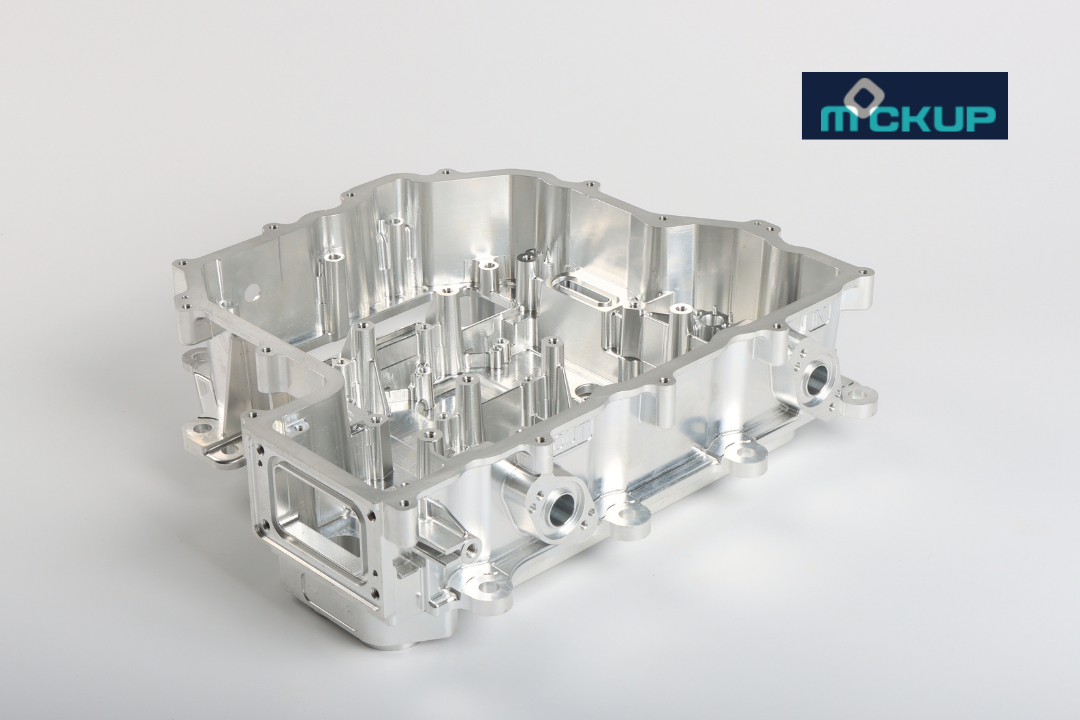
For aluminum housings, frames, buttons, heat sinks and high-quality functional prototypes in production-grade materials.
Explore service↗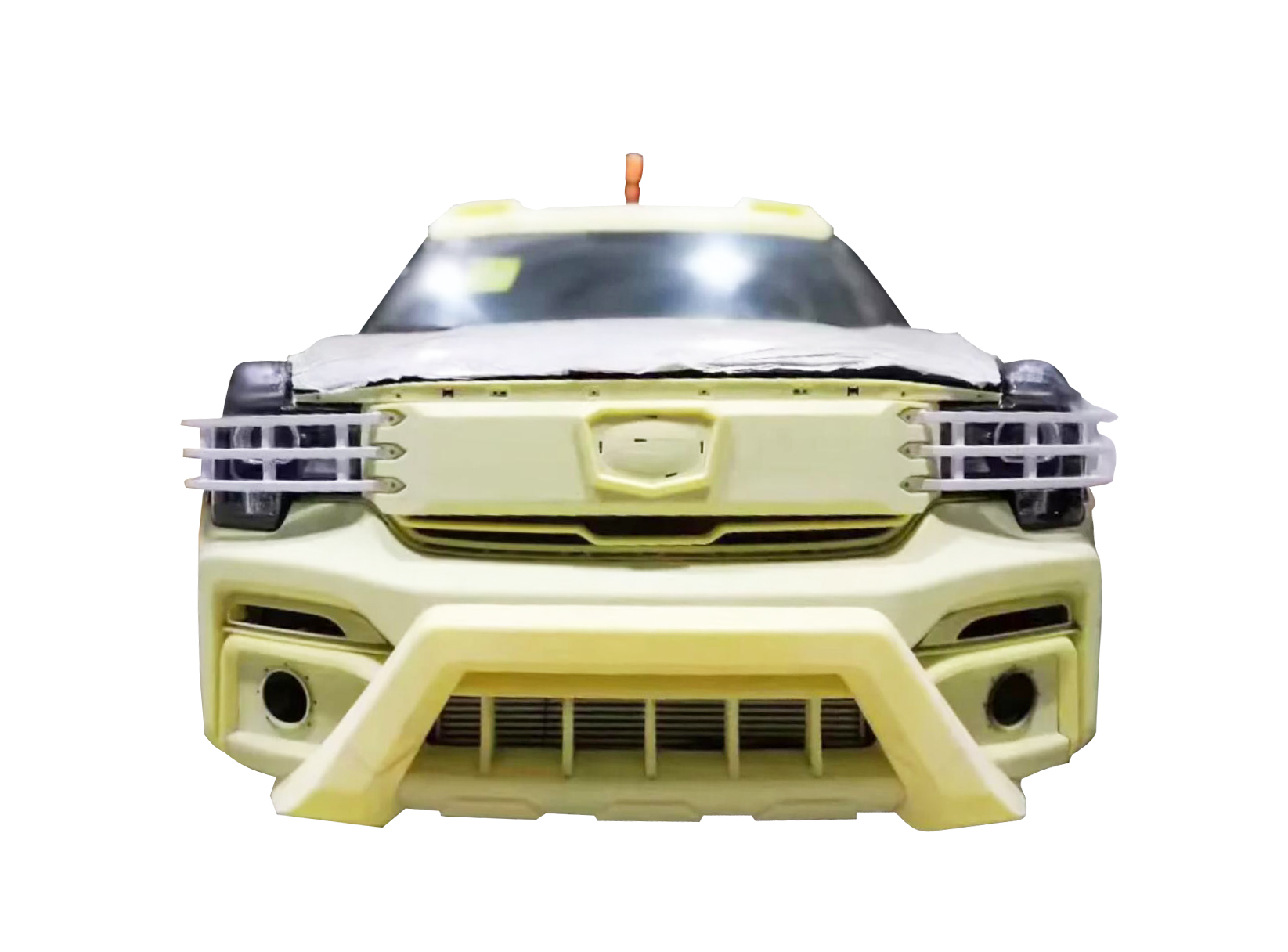
For early housings, ergonomic studies, internal packaging checks and fast design iterations.
Explore service↗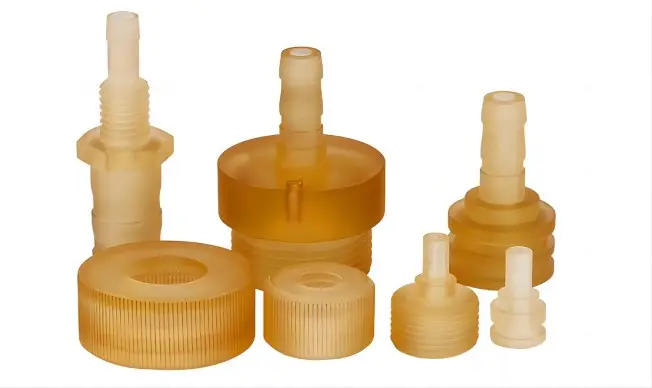
For plastic housings, covers, buttons and internal components once geometry and volume justify tooling.
Explore service↗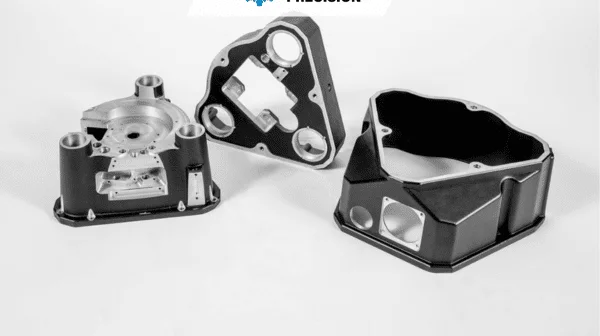
For repeat-production aluminum and zinc housings requiring strength, EMI shielding or thermal performance.
Explore service↗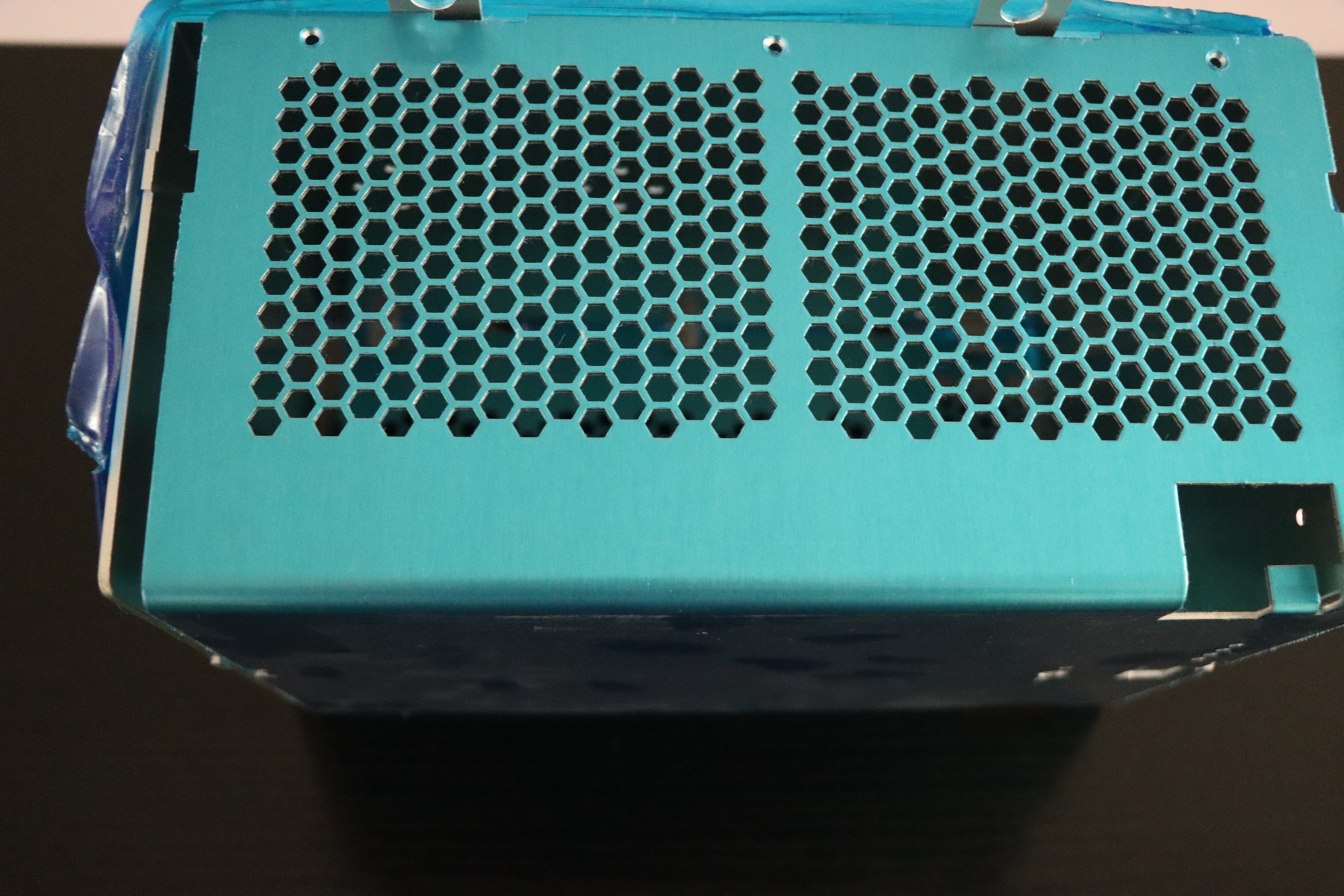
For internal brackets, shields, chassis, battery structures and supporting components.
Explore service↗
Combine manufactured components, inserts, fasteners and specified purchased hardware into subassemblies.
Explore service↗Material and finish influence weight, touch, appearance, durability and how customers perceive the product.
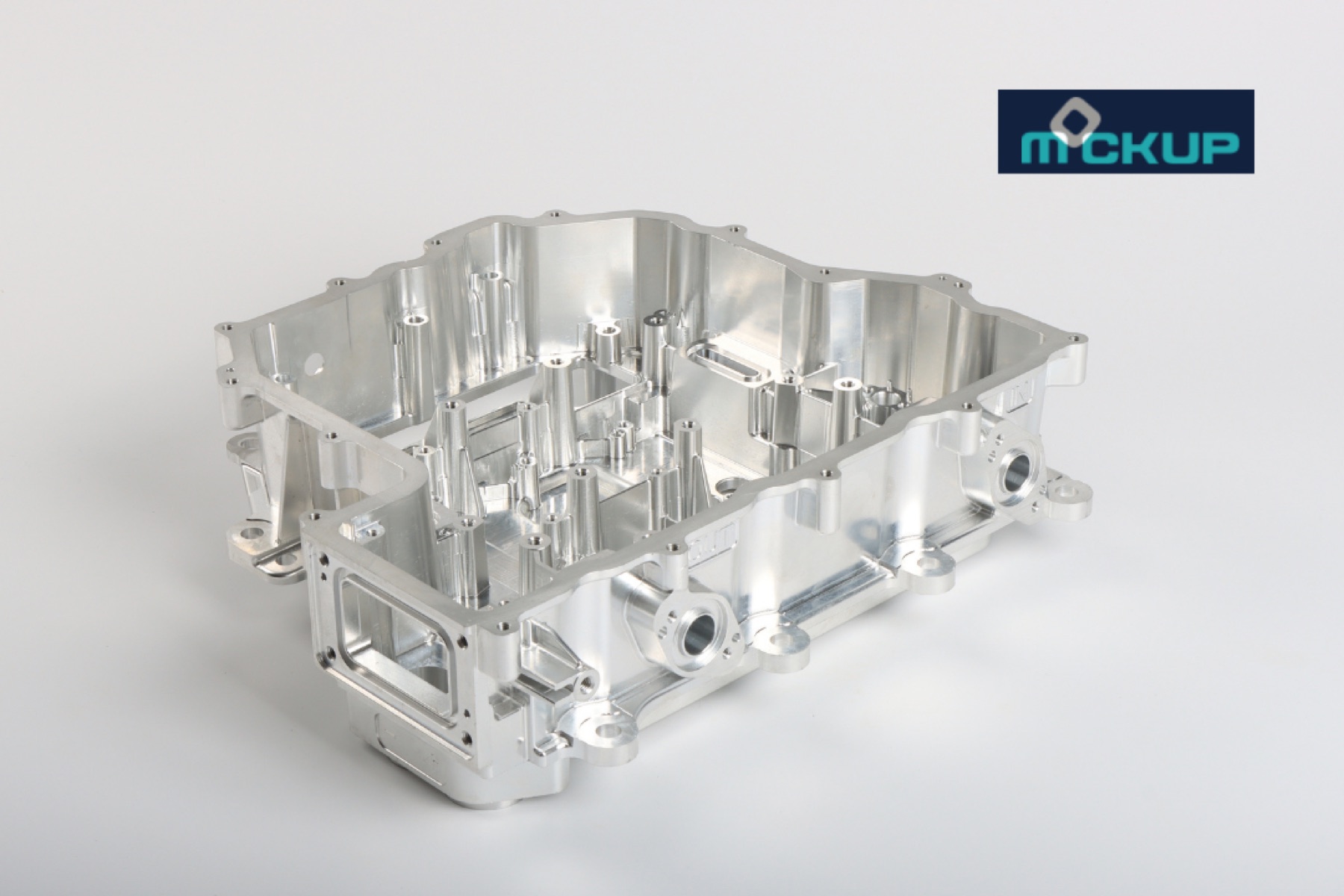
Aluminum, stainless, magnesium and zinc alloys; ABS, PC, PC+ABS, PMMA, POM, nylon, PP and TPU.
View All Materials ↗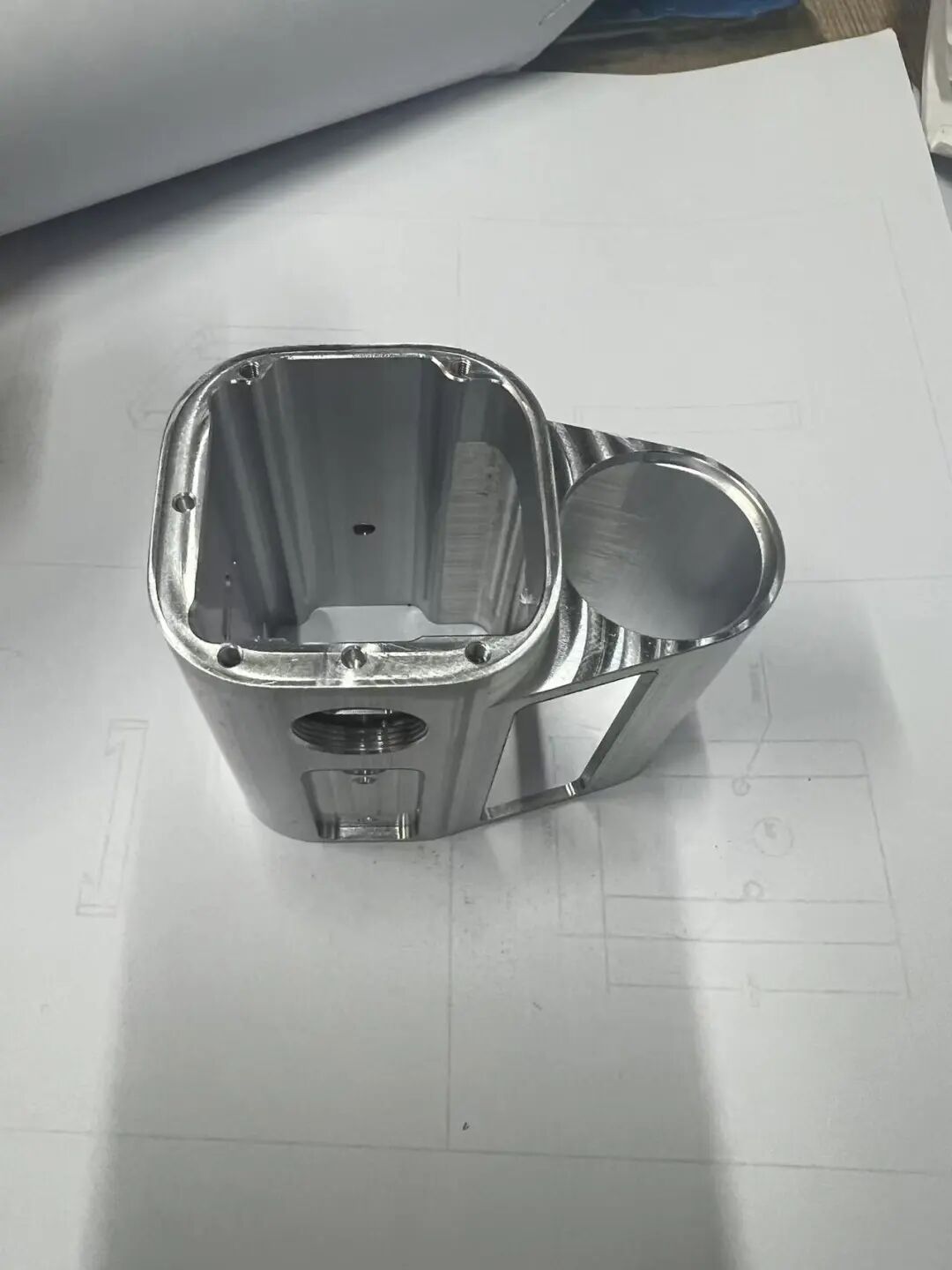
Anodizing, bead blasting, brushing, polishing, painting, powder coating, plating, laser marking and silk screening.
View All Surface Finishes ↗Development route: Appearance → Functional Prototype → Engineering Validation → Production Validation → Production.
Evaluate proportions, surface transitions, color, texture and overall product feel.
Add production-intent materials and internal features to evaluate fit, buttons, connectors and performance.
Confirm internal packaging, PCB mounting, battery location, thermal interfaces and assembly relationships.
Stabilize materials, tooling, finishes, tolerances and assembly requirements.
Carry approved manufacturing and cosmetic requirements into production releases.
Dense internal stacks of PCBs, batteries, displays, cameras, speakers, connectors and antennas make enclosure interfaces critical.
Bosses, standoffs, screw locations and locating features align the board without unnecessary stress.
USB, power and audio openings align visually and mechanically with internal connector positions.
Housing geometry accommodates retention, expansion allowances and assembly access.
Mechanical features establish the relationship between sensors, lenses, covers and external geometry.
Openings, grilles and mounting structures follow acoustic and assembly requirements.
Screws, inserts and clips remain accessible without compromising appearance.
Compact electronics place processors, batteries, displays and power components into increasingly small spaces.
Metal housings spread heat while providing the external product structure.
Machined or manufactured heat sinks provide controlled interfaces for heat-generating electronics.
Flat metal interfaces connect internal components to heat spreaders or external structures.
Slots, perforations and airflow paths support passive or active cooling.
Flatness, surface condition and stack-up matter where interface materials connect electronics to structure.
Customer-facing surfaces should be identified on drawings or cosmetic specifications, with RAL, Pantone, finish standards or approved samples where appropriate.
Control color consistency and gloss level across visible components.
Define bead-blast uniformity, brush direction, texture and polishing requirements.
Review sink marks, gates and parting lines around customer-facing surfaces.
Control visible relationships between covers, frames, buttons and bezels.
Coordinate logos, laser marking and silk screening with geometry and finish.
Protect approved cosmetic surfaces through handling and assembly.
Critical interfaces should be controlled around the assembled product rather than assigning unnecessarily tight tolerances to every dimension.
Gap and flush consistency.
Boss and mounting-hole position.
Clearance and travel.
Positional alignment.
Centering and appearance.
Opening size and edge relationship.
Flatness and thermal contact.
Retention and surrounding wall strength.
Preserve the product's functional and visual intent while redesigning each part for its production process.
Review draft, wall thickness, ribs, bosses, undercuts, gates and ejection before tooling.
Review wall uniformity, draft, ribs, parting lines, ejector locations and secondary machining.
Convert prototype geometry for repeatable mold filling, cooling and ejection.
Establish practical color, texture and gloss references for the intended substrate.
CMM, optical measurement, gauges and cosmetic standards can be used according to project requirements. Inspection reports, material records and CoC can be supplied where agreed.
CMM, optical measurement, gauges and cosmetic standards can be used according to project requirements. Inspection reports, material records and CoC can be supplied where agreed.
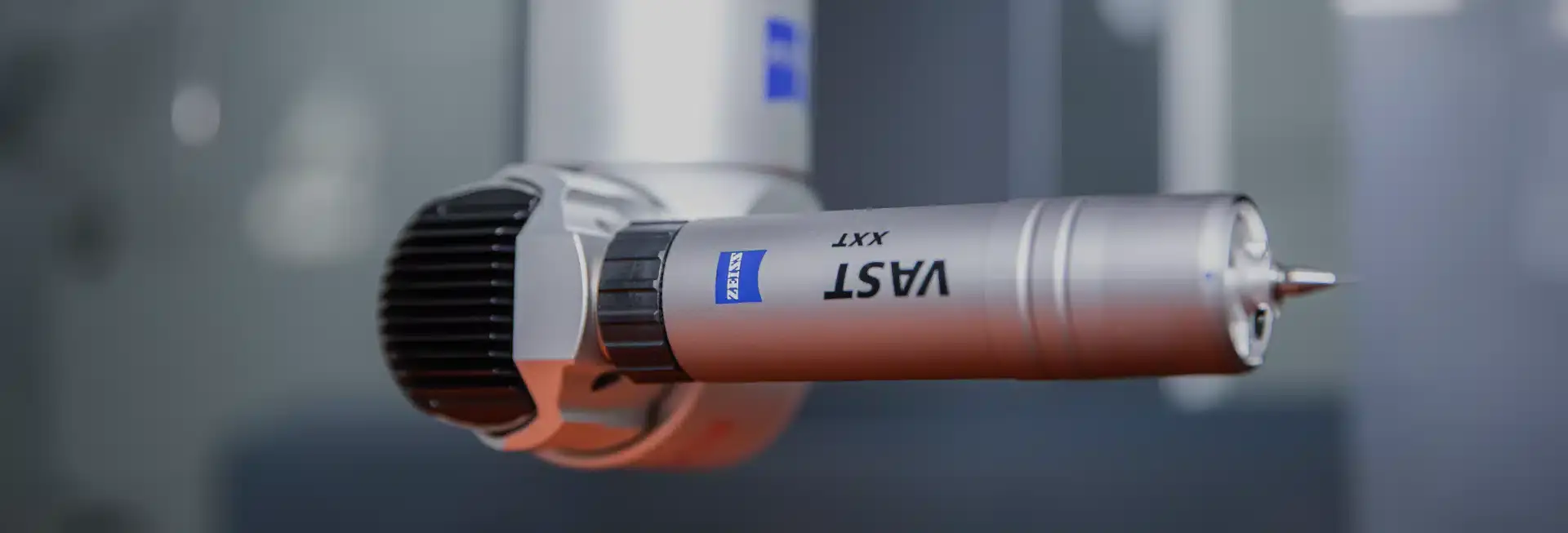
Product-development and production support across compact, connected and customer-facing devices.
Housings, frames, buttons, sensor mounts and internal mechanical components.
Compact housings, frames, charging components and precision hardware.
Speaker housings, controls, frames, grilles and mounting hardware.
Camera housings, lens frames, sensor mounts and brackets.
Computer housings, docking products, peripherals and thermal hardware.
Charger housings, thermal components, internal frames and hardware.
Custom housings, controls, frames and mechanical components.
Yes. CNC machining, 3D printing, sheet metal fabrication and other flexible processes support appearance, functional and engineering prototypes.
Yes. Production-intent materials with painting, anodizing, bead blasting, polishing and marking can create product-like prototypes.
Yes. CNC machining suits prototypes and lower volumes, while die casting can be considered as volume increases.
Yes. Plastic housings can be produced through CNC machining, 3D printing, vacuum casting or injection molding.
Yes. Geometry can be reviewed for draft, wall thickness, ribs, bosses, undercuts and other tooling requirements.
Color and texture can be controlled with finish standards, RAL or Pantone references, or approved samples.
Yes. Threaded inserts, hardware and manufactured components can be installed or mechanically assembled.
Yes. The route can transition toward injection molding, die casting or repeat machining as design and volume mature.
Share your product CAD, internal layout, materials, CMF requirements and development stage. Mockup will review the enclosure, interfaces, manufacturing process, finishing and transition to production.