
Precision Manufacturing
Control mating interfaces, bores, threads, sealing features, instrument geometry and assembly datums according to drawing requirements.
Mockup supports medical device development and production with CNC machining, sheet metal fabrication, 3D printing, molding, finishing and assembly for instruments, equipment and mechanical components.
Share your CAD, drawings, material requirements and production stage for manufacturing and engineering review.
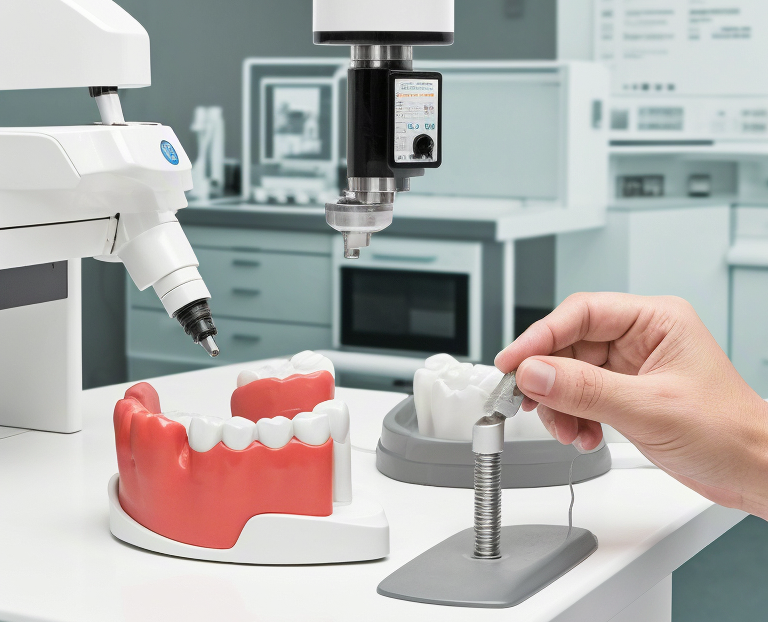
Medical device components often combine mechanical precision with surfaces that users see, touch or clean.
Mockup connects prototyping, manufacturing, finishing and inspection so these requirements remain controlled as the product moves toward production.
Control mating interfaces, bores, threads, sealing features, instrument geometry and assembly datums according to drawing requirements.
Test functional designs using the metals and engineering plastics intended for later production.
Machine stainless steel, aluminum, titanium, PEEK, POM and other engineering materials according to device requirements.
Coordinate passivation, anodizing, polishing, bead blasting and other treatments around appearance and dimensional requirements.
Carry approved geometry, materials, revisions and inspection requirements from development builds into repeat manufacturing.
Combine CNC machining, sheet metal, additive manufacturing, molding, finishing and assembly for devices containing multiple component types.
Physical prototypes help evaluate fit, handling, assembly and mechanical performance before a medical device moves into production.
Mockup supports concept parts, functional prototypes, verification builds and repeat production using production-intent metals and engineering plastics.
Start a medical manufacturing project ↗Select the manufacturing route around geometry, material, surface requirements and production stage.
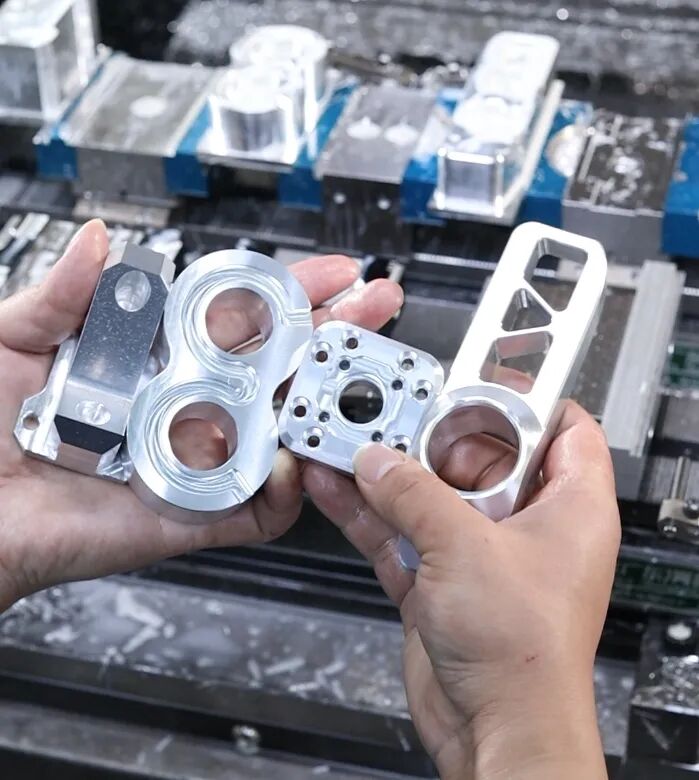
For housings, manifolds, instrument components, fixtures and mechanical interfaces requiring controlled geometry.
Explore service↗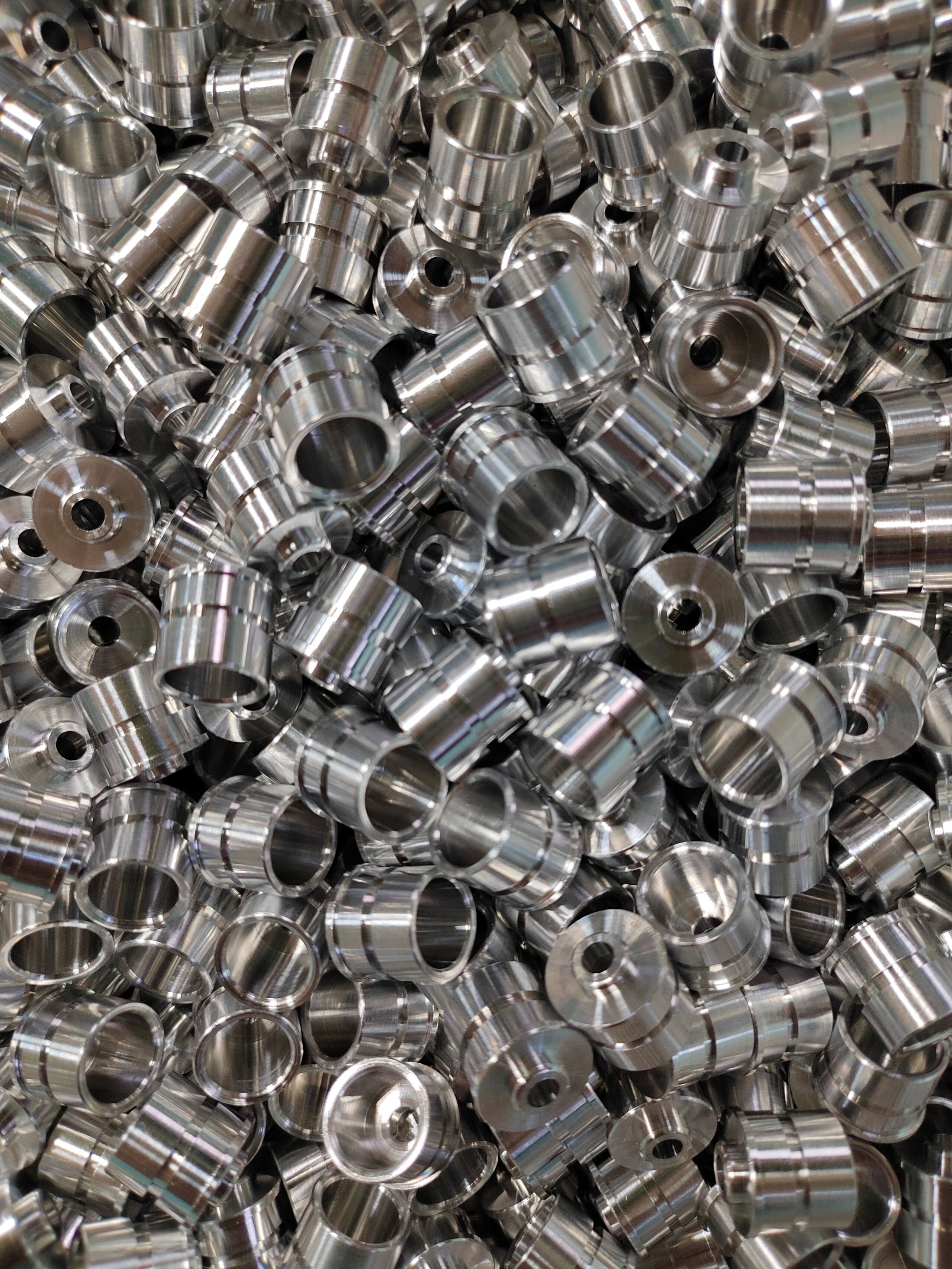
For shafts, pins, connectors and cylindrical components requiring controlled diameters and concentricity.
Explore service↗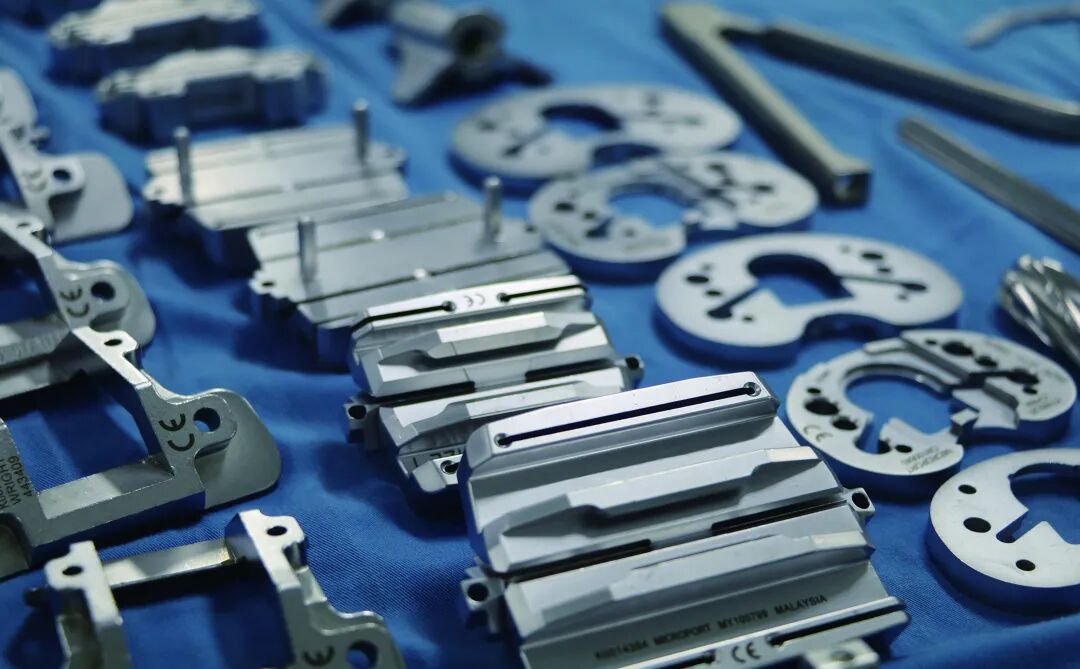
For diagnostic equipment housings, chassis, panels, covers and internal structures.
Explore service↗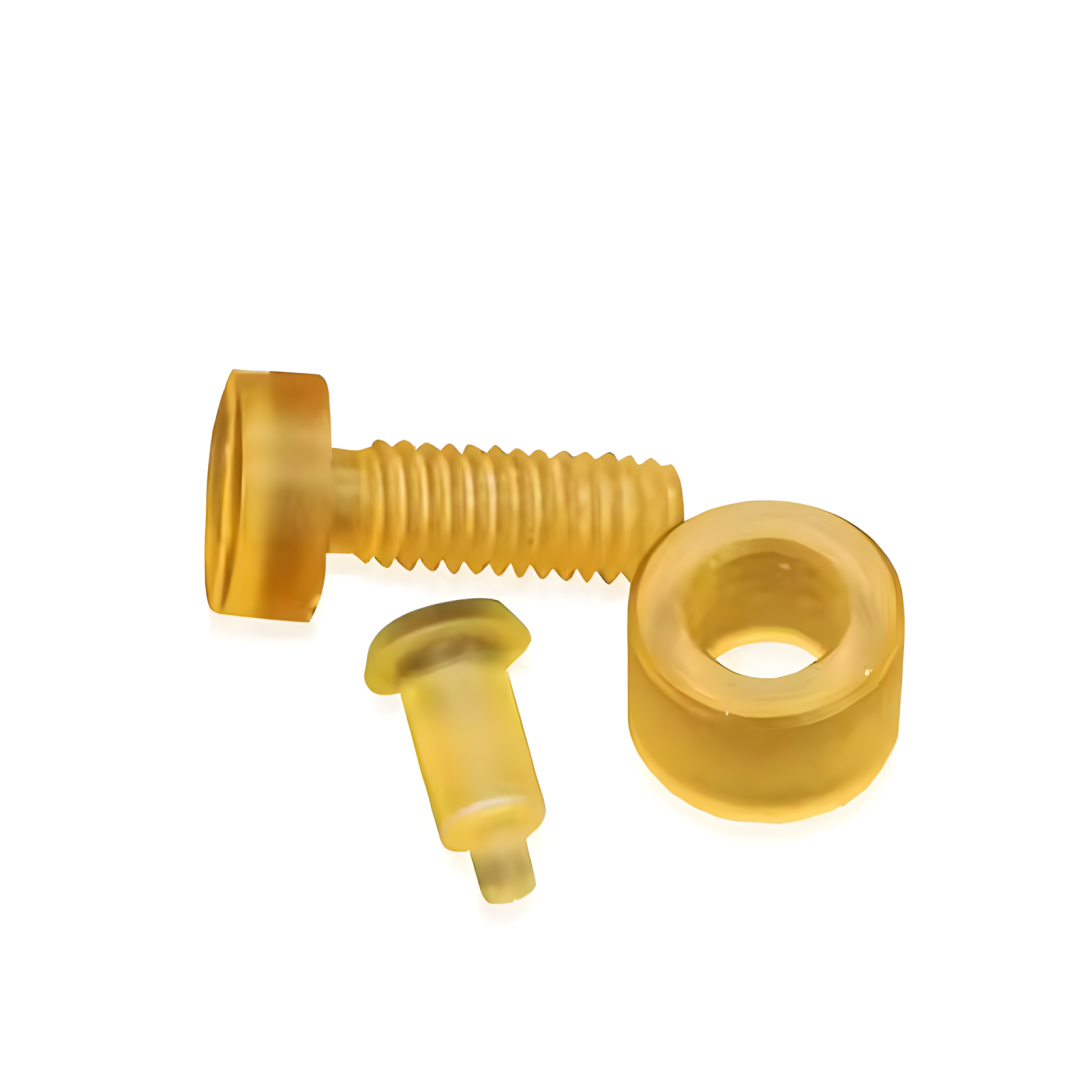
For ergonomic studies, prototype housings, fixtures and rapid design iterations.
Explore service↗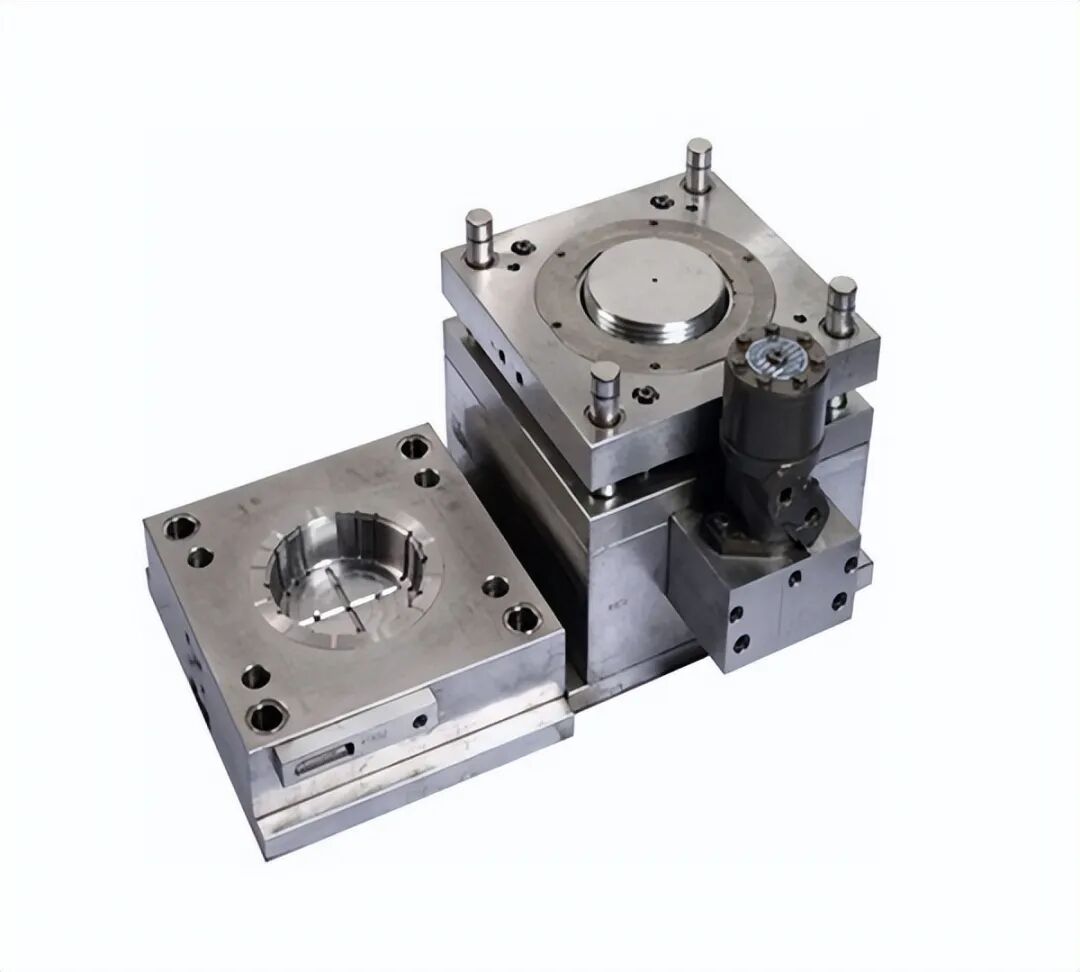
For stable polymer designs where production volume supports dedicated tooling.
Explore service↗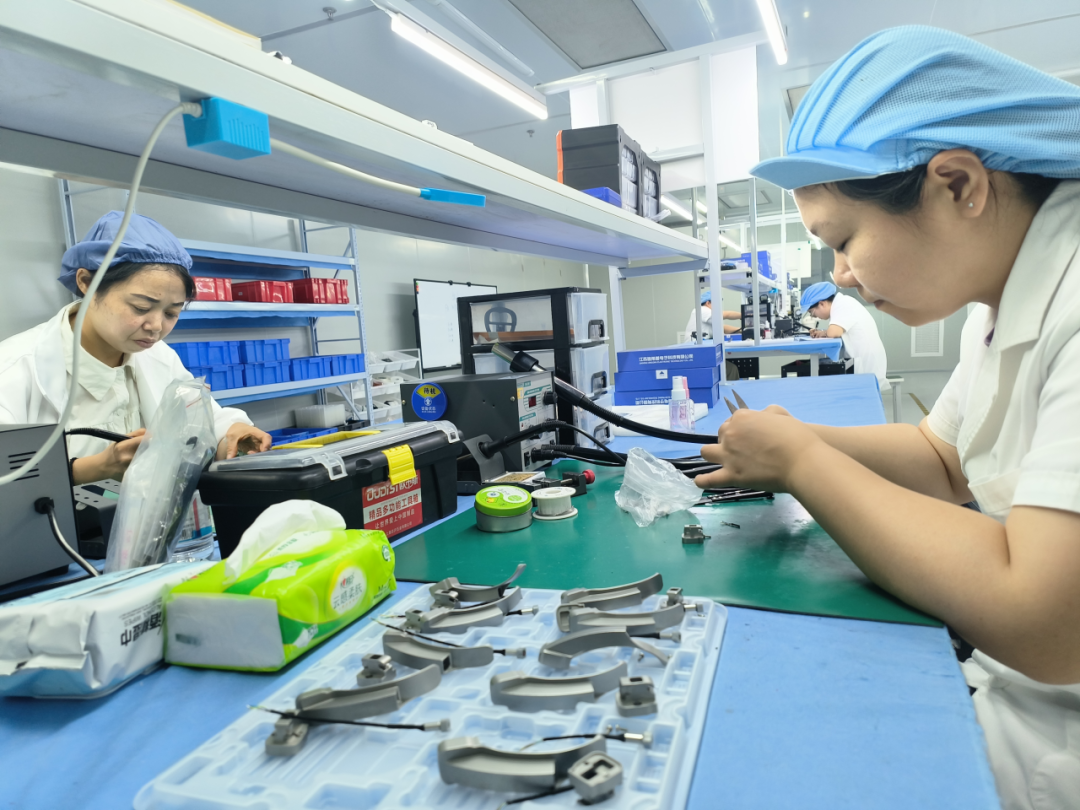
Combine custom-manufactured components, hardware and purchased parts into mechanical subassemblies.
Explore service↗Coordinate material and surface condition around performance, corrosion resistance, appearance, cleaning and assembly.
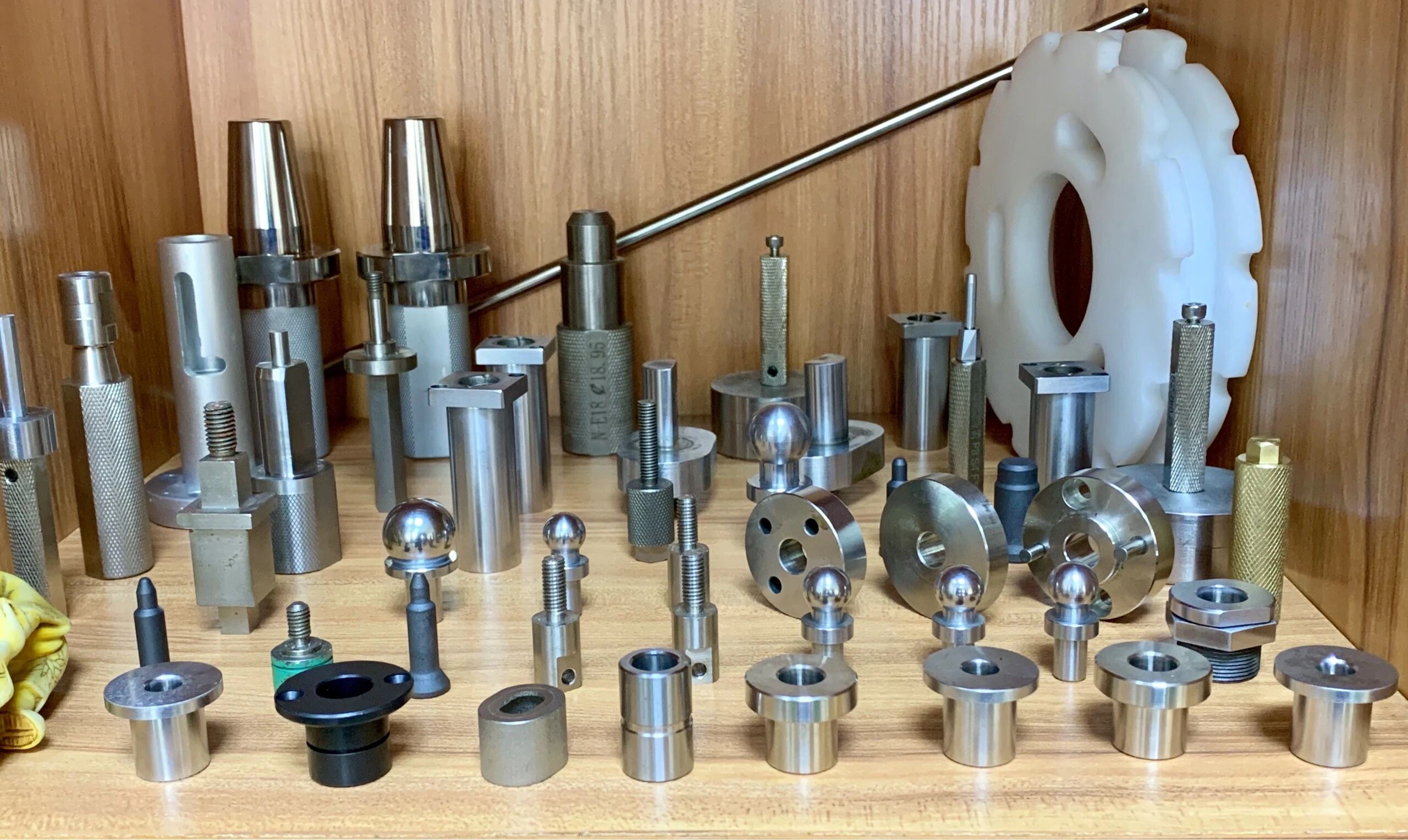
Stainless Steel 304 and 316, 17-4PH, Titanium Grade 5, Aluminum 6061, PEEK, POM / Delrin and PTFE.
View All Materials ↗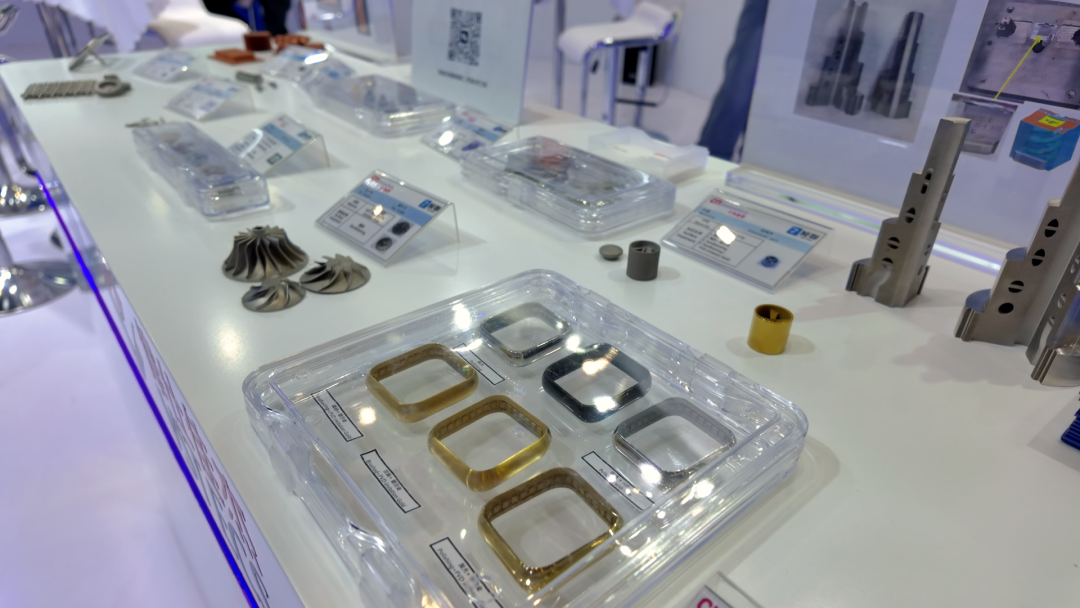
Passivation, electropolishing, polishing, bead blasting, anodizing, hard anodizing, electroless nickel and laser marking.
View All Surface Finishes ↗Development route: Concept → Functional Prototype → Verification → Pilot Build → Repeat Production.
Evaluate packaging, ergonomics and basic mechanical architecture.
Use production-intent materials to evaluate fit, mechanical interfaces and assembly.
Produce controlled components for dimensional and functional verification.
Stabilize manufacturing, finishing, fixtures and inspection methods.
Carry approved revisions and manufacturing requirements into subsequent releases.
Mechanical precision, surfaces, materials and finishing must work together in the finished device.
Bores, shafts, threads, sealing areas and mating features need to function correctly after manufacturing and finishing.
User-facing and functional surfaces may require controlled texture, roughness or cosmetic appearance.
Instrument and handled components may require defined edge breaks and controlled burr removal.
Corners, pockets and surface transitions should reflect the intended cleaning requirements of the product.
Specified material grades and conditions need to remain connected to the correct drawing revision and production lot.
Passivation, anodizing, plating and other processes should be considered when critical dimensions apply to the finished component.
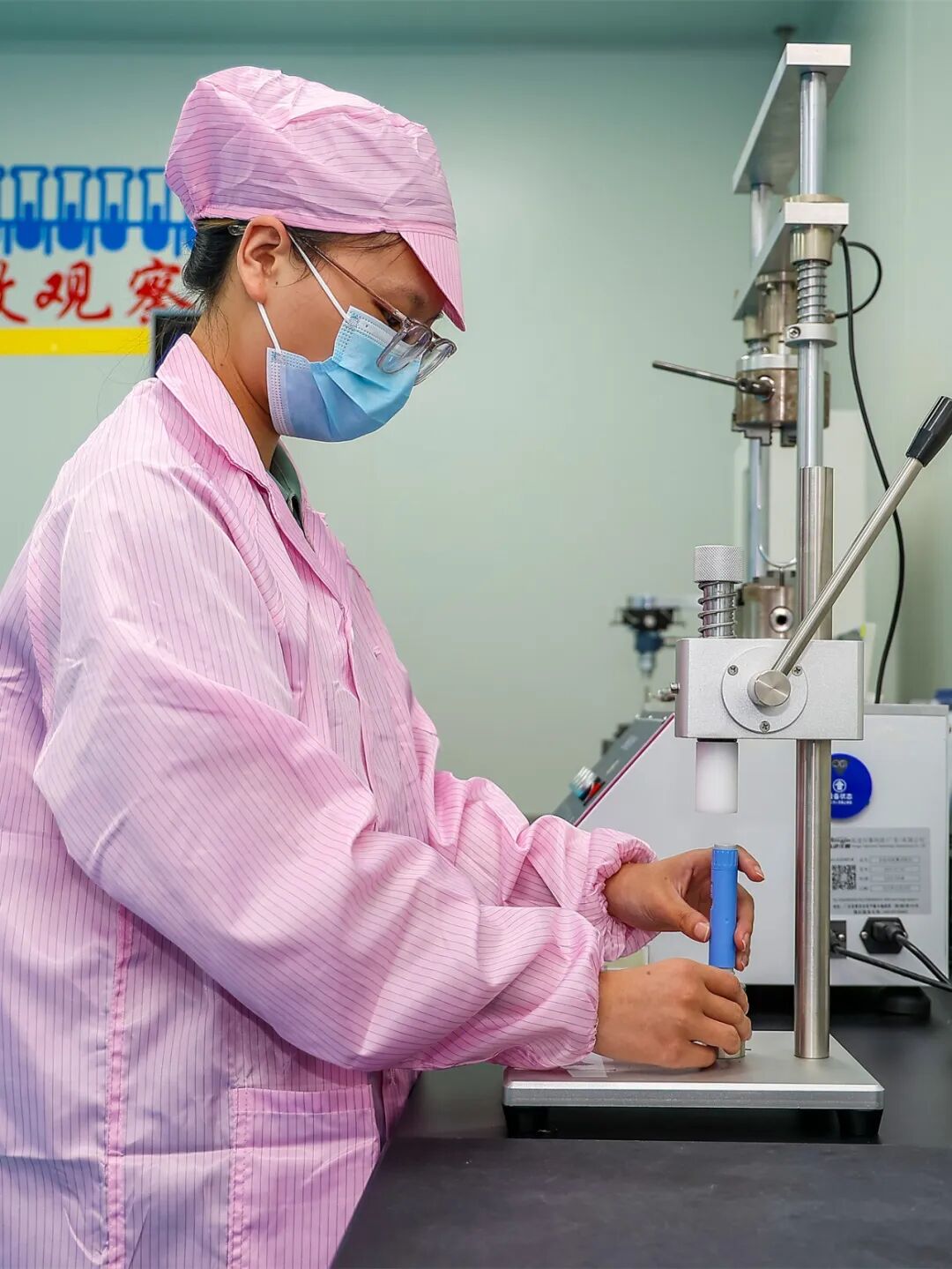
Depending on project requirements, inspection can use CMM, optical measurement, gauges and conventional dimensional equipment. FAI, inspection reports, material records and CoC can be supplied where agreed.
Depending on project requirements, inspection can use CMM, optical measurement, gauges and conventional dimensional equipment. FAI, inspection reports, material records and CoC can be supplied where agreed.
Yes. CNC machining, 3D printing, sheet metal fabrication and molding can support concept, functional and verification builds.
Yes. Stainless steel, titanium, aluminum, PEEK, POM and other specified engineering materials can be used for functional prototypes.
Yes, subject to drawing and project review. Precision machining and surface finishing can be coordinated for instrument and equipment components.
Yes. PEEK and other engineering plastics can be CNC machined for prototypes and production components according to drawing requirements.
Yes. Passivation, polishing, bead blasting, anodizing, electropolishing and other project-specific finishes can be coordinated with manufacturing.
FAI, dimensional inspection reports, material records and CoC can be provided where agreed before production.
Share your CAD, material requirements, critical interfaces, surface requirements and production stage. Mockup will review manufacturing processes, materials, finishing and inspection requirements before production.