
Precision Interfaces
Control sealing surfaces, bearing locations, alignment datums, hole patterns and mating features according to drawing requirements.
Mockup manufactures components for semiconductor equipment, wafer handling, vacuum systems and process automation. CNC machining, sheet metal fabrication, finishing and assembly are coordinated around precision interfaces, surface requirements and production repeatability.
Send your CAD, drawings, material specifications and critical requirements for manufacturing and engineering review.
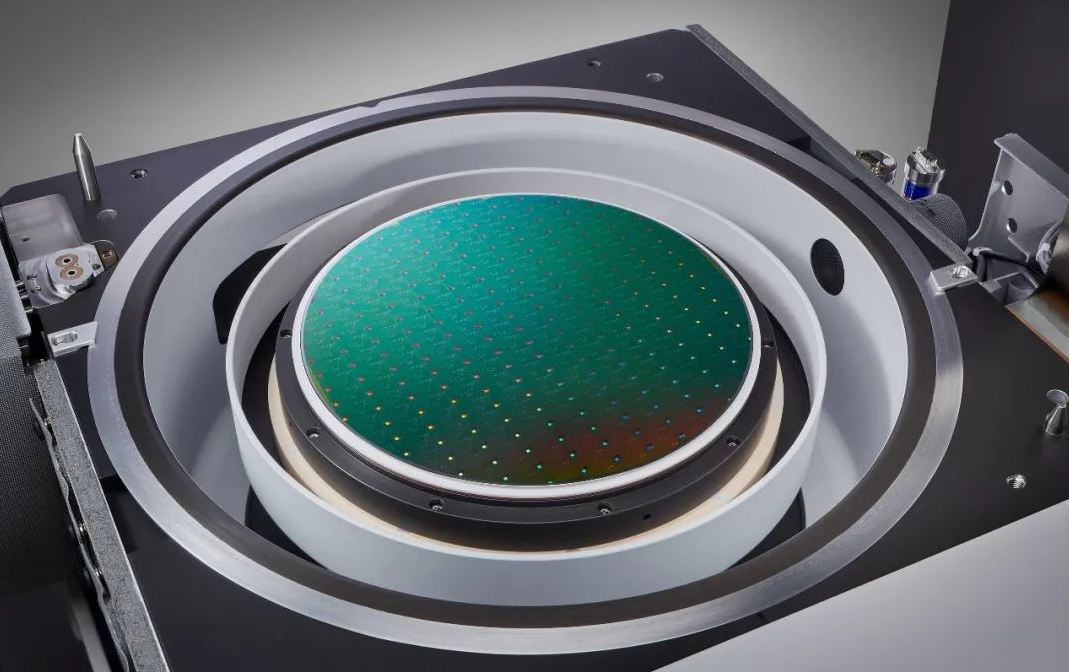
Semiconductor equipment combines precision motion, vacuum environments, thermal management and contamination-sensitive hardware.
Mockup connects manufacturing, finishing and inspection so these requirements remain controlled from prototype through repeat production.
Control sealing surfaces, bearing locations, alignment datums, hole patterns and mating features according to drawing requirements.
Multi-axis CNC supports vacuum components, chambers, manifolds and equipment parts with deep pockets, internal features and multiple critical faces.
Coordinate machining with anodizing, electroless nickel, passivation, polishing and other specified treatments.
Manufacture aluminum, stainless steel, copper, PEEK, PTFE and other engineering materials used throughout semiconductor equipment.
Move from engineering prototypes into repeat builds while carrying approved revisions, materials and inspection requirements forward.
Combine machining, sheet metal, finishing, hardware installation and mechanical assembly through one project workflow.
Semiconductor manufacturing equipment contains mechanical systems for positioning, vacuum control, gas delivery, thermal management and wafer handling.
Mockup supports prototype and production components using precision machining, fabrication and finishing. Critical sealing surfaces, motion interfaces and assembly datums can be controlled around the finished equipment.
Approved manufacturing information can then be carried into repeat releases as equipment programs scale.
Start a semiconductor manufacturing project ↗Select the manufacturing route around geometry, material, surface condition, vacuum interfaces and production stage.
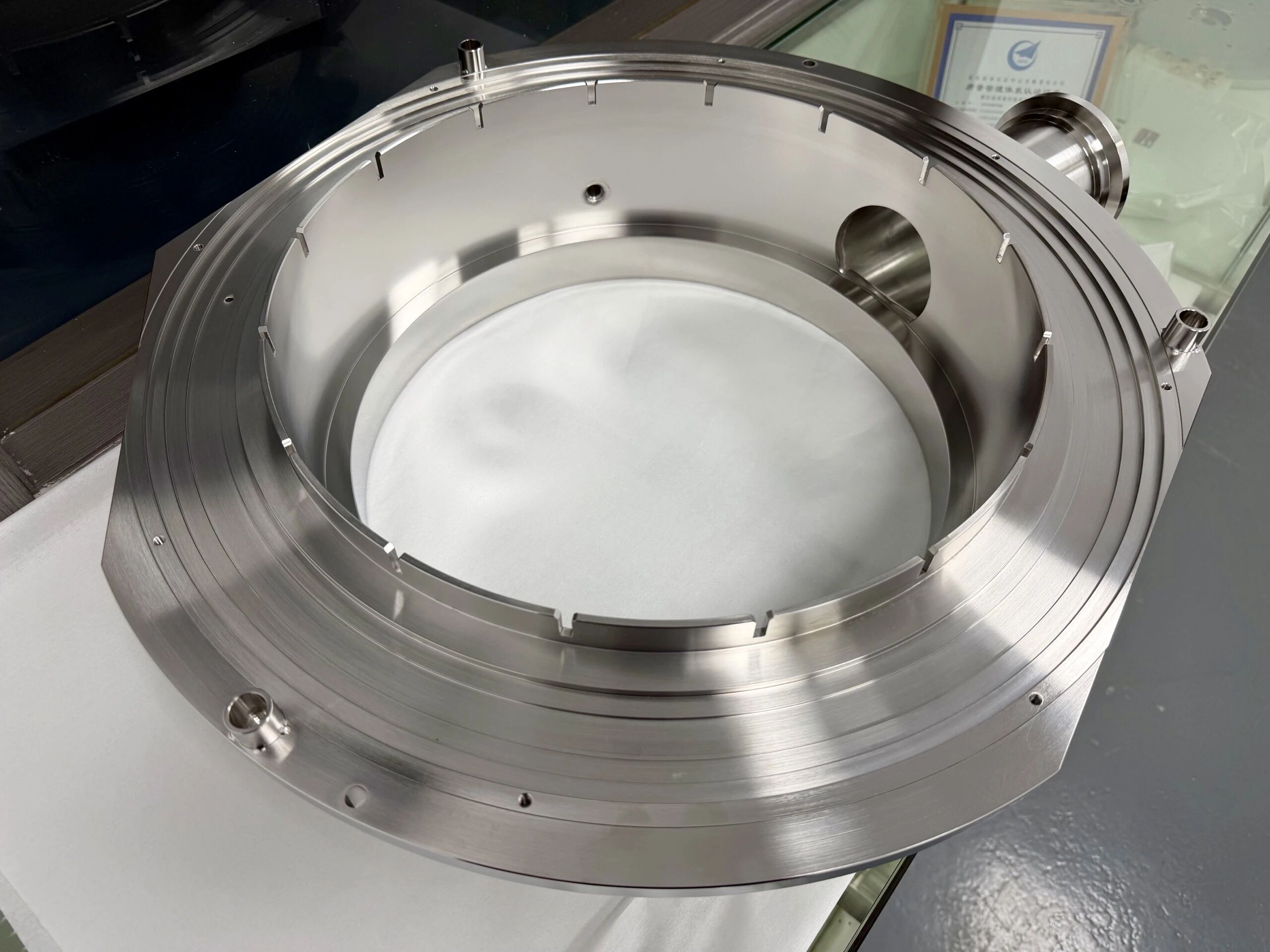
For chambers, manifolds and complex equipment components with features across multiple faces and demanding positional relationships.
Explore service↗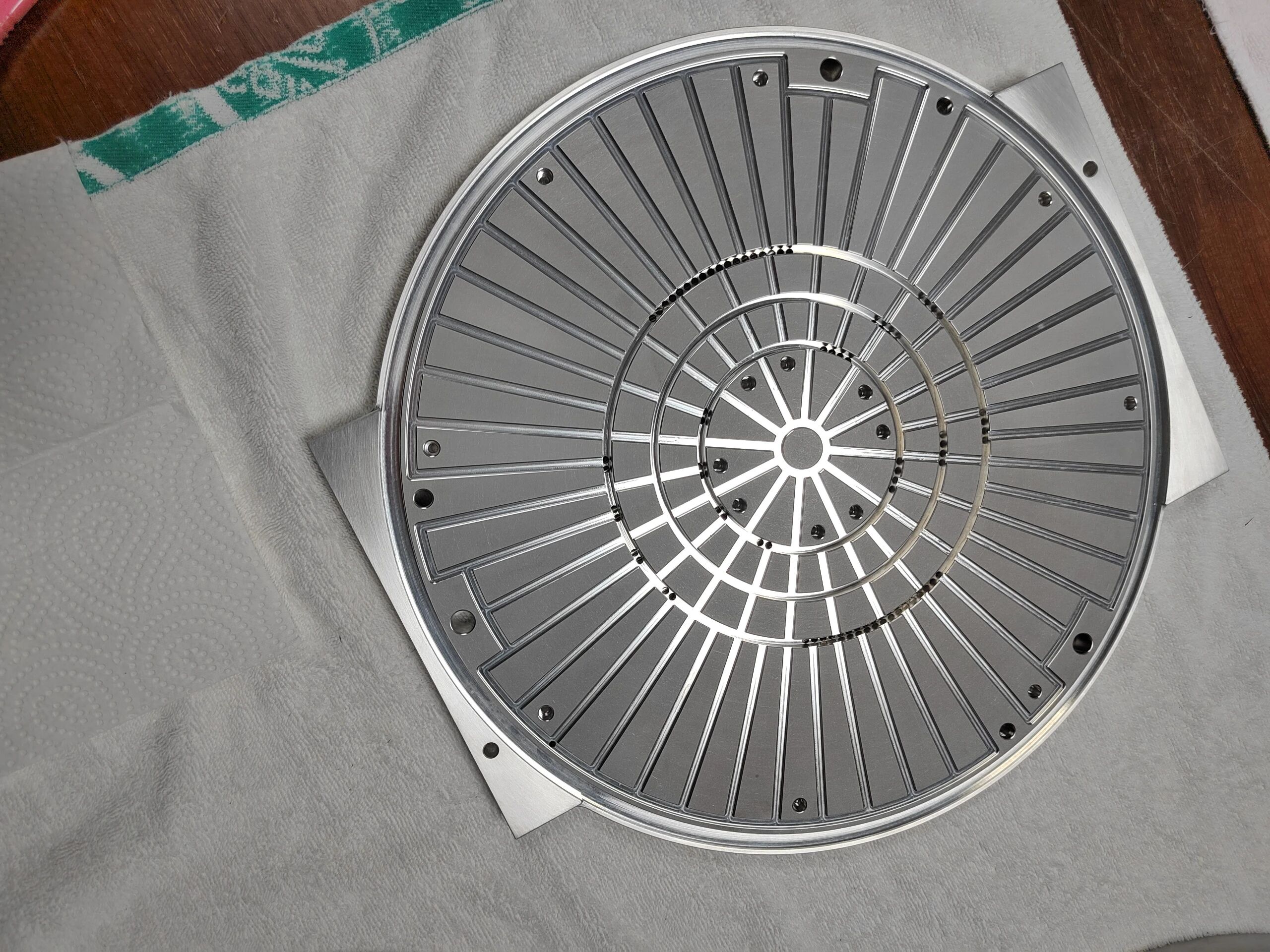
For wafer-handling components, plates, stages, mounts, cooling components and structural hardware.
Explore service↗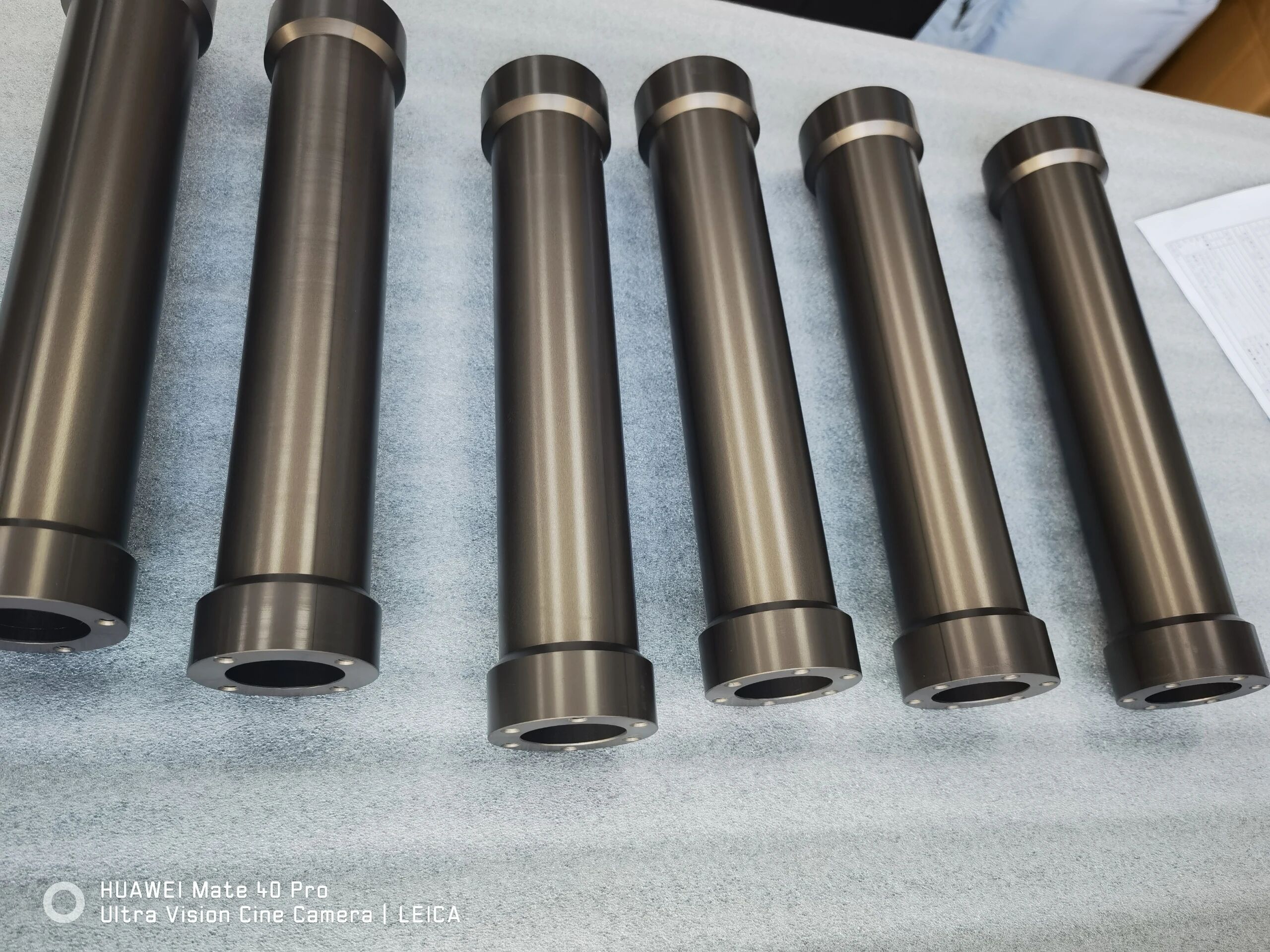
For vacuum fittings, shafts, bushings, rings and rotational components requiring controlled diameters and concentricity.
Explore service↗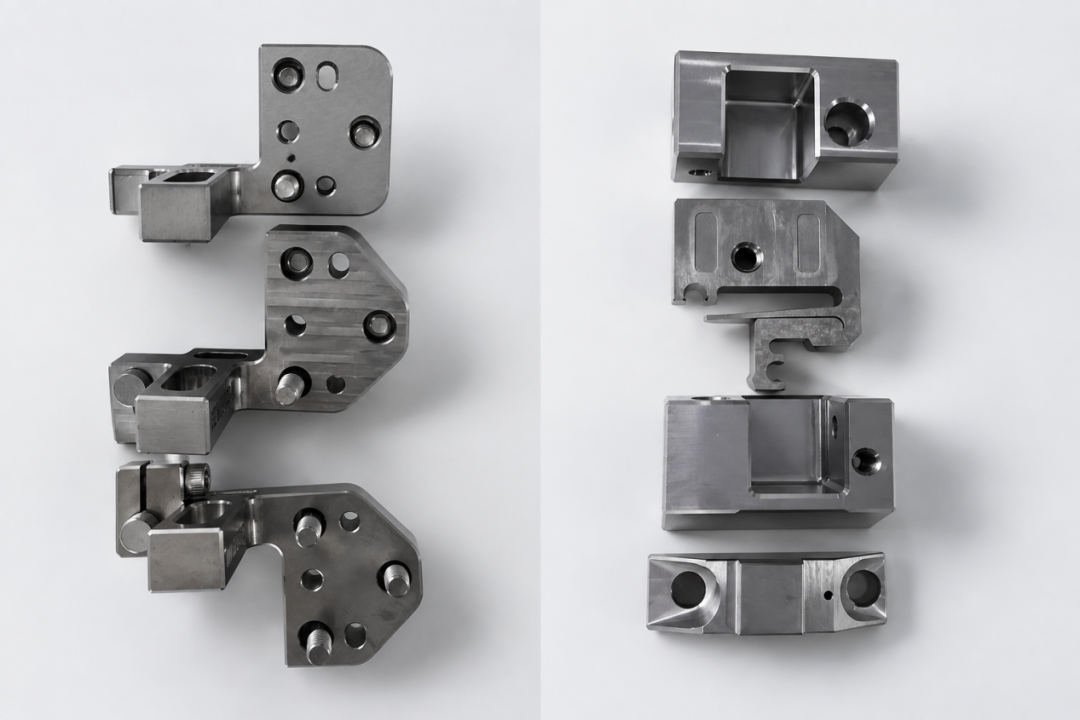
For equipment frames, panels, guards, cabinets, electronics housings and supporting structures.
Explore service↗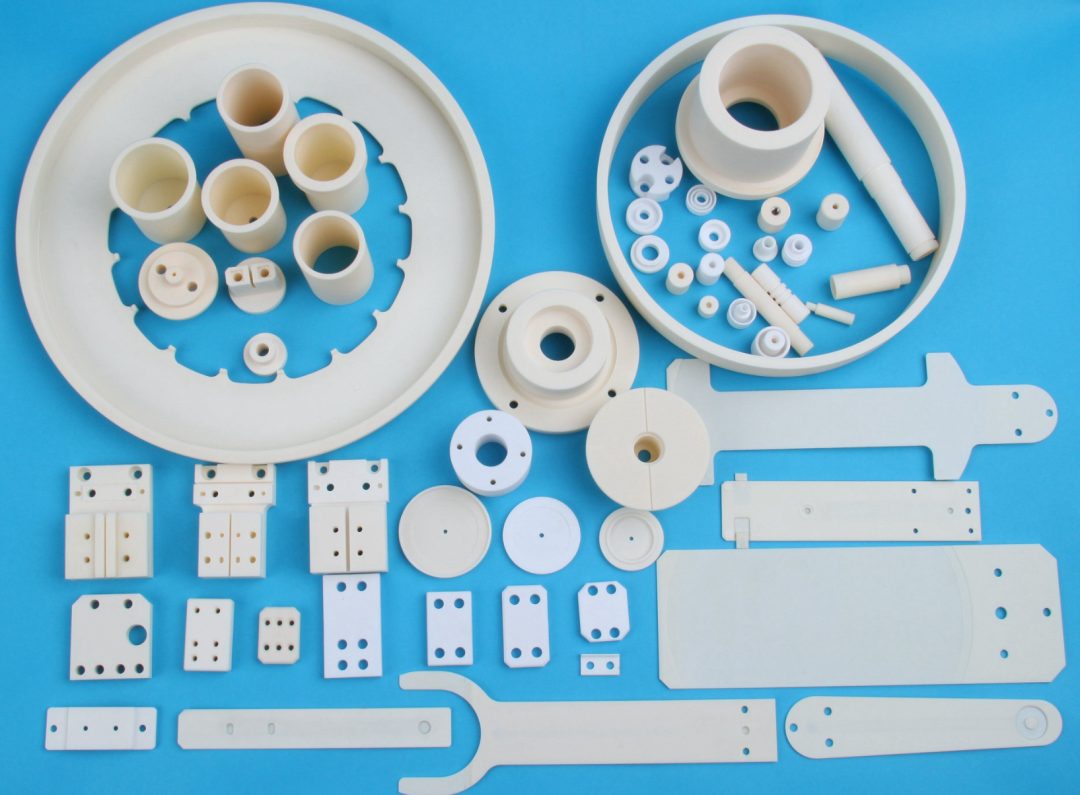
For PEEK, PTFE, POM and other polymer components used for insulation, low-friction interfaces and specialized equipment functions.
Explore service↗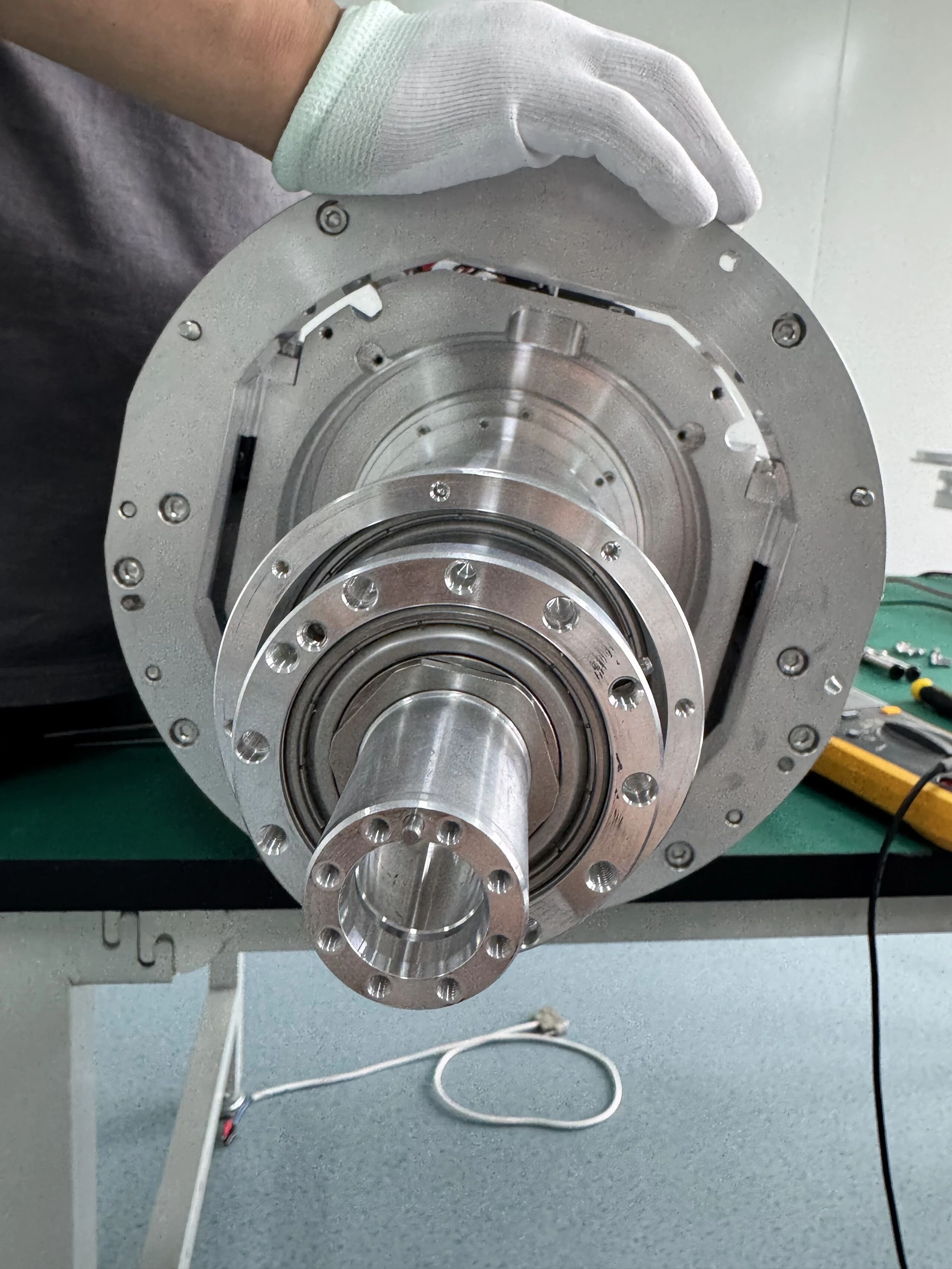
Combine manufactured parts, seals, hardware, inserts and purchased components into mechanical subassemblies according to project scope.
Explore service↗Material and surface condition can affect vacuum performance, corrosion resistance, particle generation, thermal behavior and equipment life.
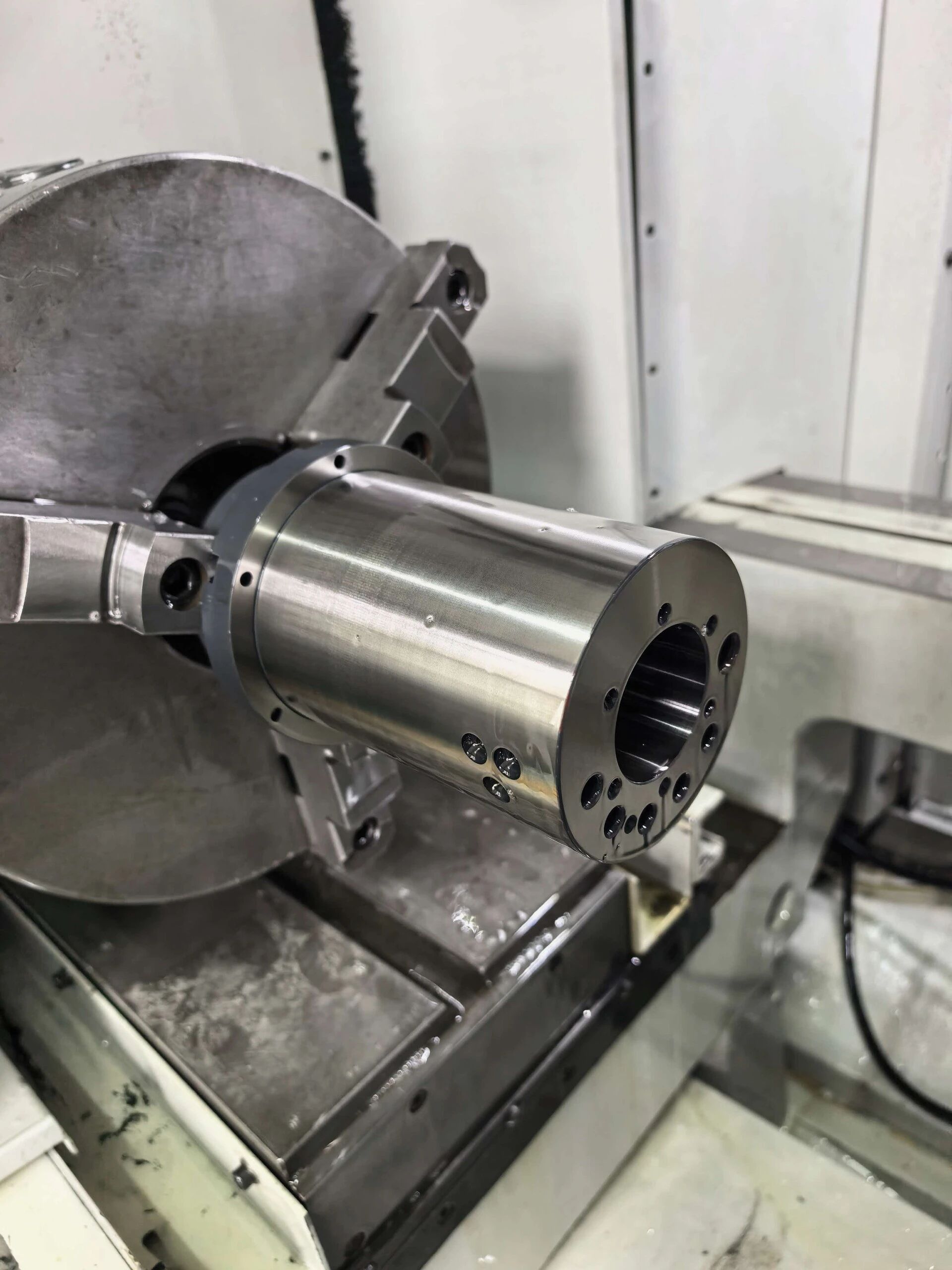
Aluminum 6061 and 6063, Stainless Steel 304 and 316, Copper C110, PEEK, PTFE and POM.
View All Materials ↗
Anodizing, hard anodizing, electroless nickel, passivation, electropolishing, polishing, bead blasting and chemical conversion coating.
View All Surface Finishes ↗Development route: Prototype → Functional Build → Verification → Pilot Build → Repeat Production.
Produce parts for mechanism development, equipment packaging and initial assembly evaluation.
Validate vacuum interfaces, motion relationships, thermal components and equipment integration.
Freeze critical datums, materials, surface requirements and inspection characteristics.
Establish repeatable machining, finishing, cleaning and inspection methods across a controlled quantity.
Carry approved manufacturing information into subsequent equipment builds and spare-part releases.
Vacuum performance, precision motion, thermal management and contamination requirements depend on coordinated geometry, materials, surfaces and handling.
Flange faces, O-ring grooves and sealing surfaces need controlled geometry and surface condition to support the specified sealing system.
Chambers, plates and stages may combine large envelopes with local precision features, creating challenges in fixturing and distortion control.
Cooling channels, cold plates and heat-transfer interfaces require coordination between geometry, sealing and final assembly.
Process-facing or vacuum-facing surfaces may require defined roughness, finishing and handling requirements.
Machining strategy and process sequence need to consider residual stress and distortion in large or heavily pocketed components.
Cleaning, packaging and handling requirements should be specified according to the intended equipment environment.
CMM, surface measurement equipment, gauges and project-specific inspection methods can be applied according to drawing requirements. FAI, dimensional reports, material records and CoC can be provided where agreed.
CMM, surface measurement equipment, gauges and project-specific inspection methods can be applied according to drawing requirements. FAI, dimensional reports, material records and CoC can be provided where agreed.
Yes. Mockup supports mechanical components for vacuum, wafer handling, motion, thermal-management and equipment structures according to customer drawings.
Yes, subject to design review. CNC machining can support chambers, flanges, sealing plates, manifolds and related vacuum-system components.
Common materials include aluminum 6061, stainless steel 304/316, copper, PEEK, PTFE and other project-specified engineering materials.
Yes, subject to part size and equipment review. Large components require additional consideration of fixturing, material stress, flatness and machining sequence.
Yes. Anodizing, hard anodizing, electroless nickel, passivation, polishing and other project-specific treatments can be coordinated with manufacturing.
Yes. Controlled drawings, material requirements, finishing specifications and inspection characteristics can be retained for repeat releases.
Share your CAD, drawings, material specifications, surface requirements and production stage. Mockup will review manufacturing, finishing and inspection requirements.