
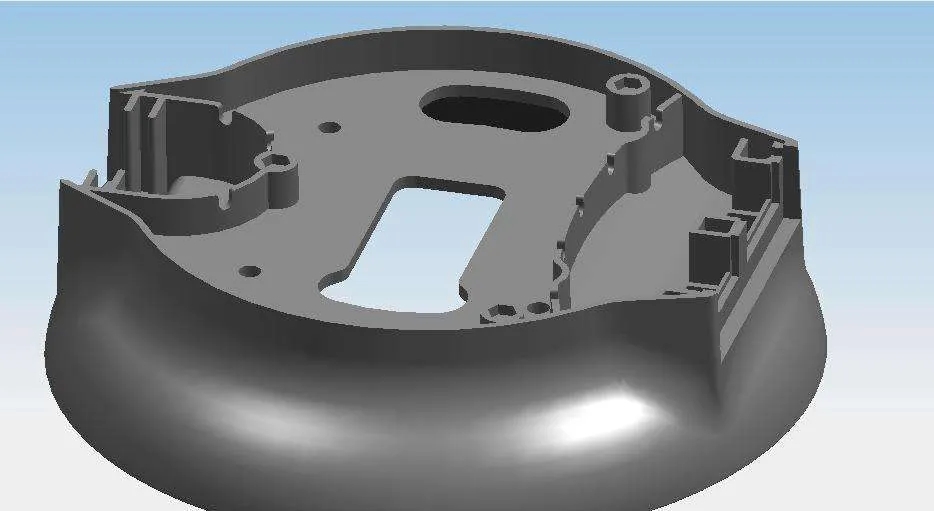
 PROTOTYPE & BRIDGE TOOLING
01 / RAPID TOOLING
Low-volume injection molding
Validate production resin, fit, gate location, texture and customer demand before committing to a long-life production mold.
Plastic injection molding from rapid tooling and T1 samples to low-volume and production parts. Mockup manages mold DFM, toolmaking, material selection, molding, inspection and approved changes in one accountable workflow.
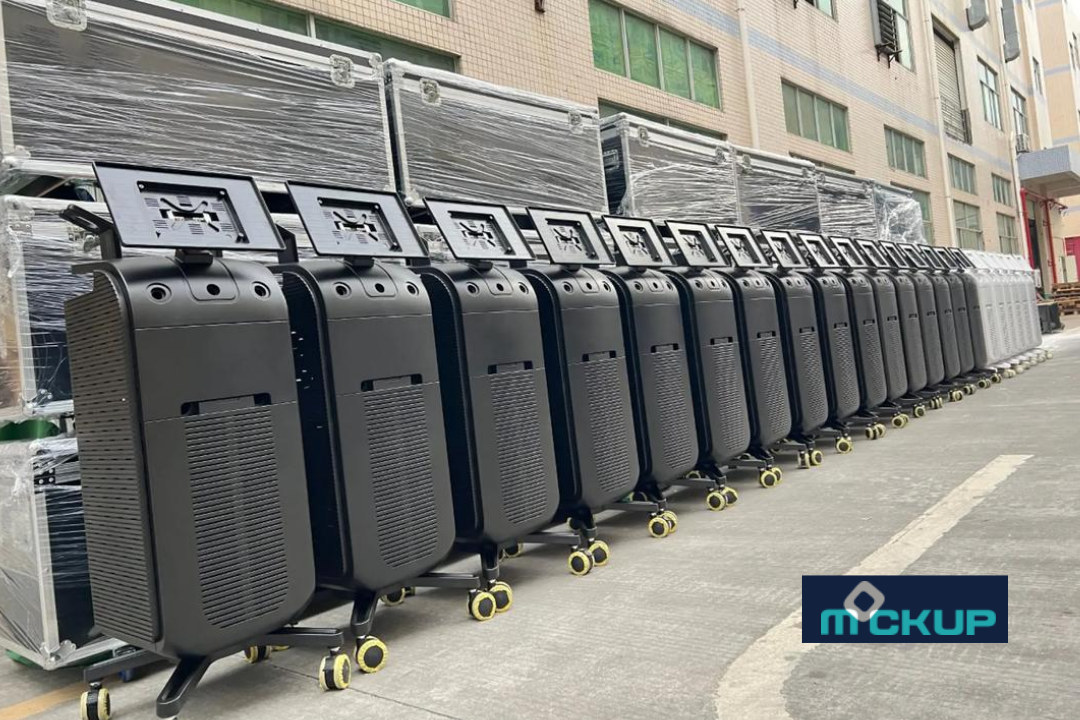
Approve gate, texture and cosmetic boundary before tooling release.
Choose prototype or bridge tooling for design validation and low-volume injection molding, then move to single- or multi-cavity production molds when demand and part geometry are stable. Tool steel, cavitation, resin, gate, texture and inspection are reviewed against expected volume.
Compare tooling routes ↘PROTOTYPE & BRIDGE TOOLINGValidate production resin, fit, gate location, texture and customer demand before committing to a long-life production mold.
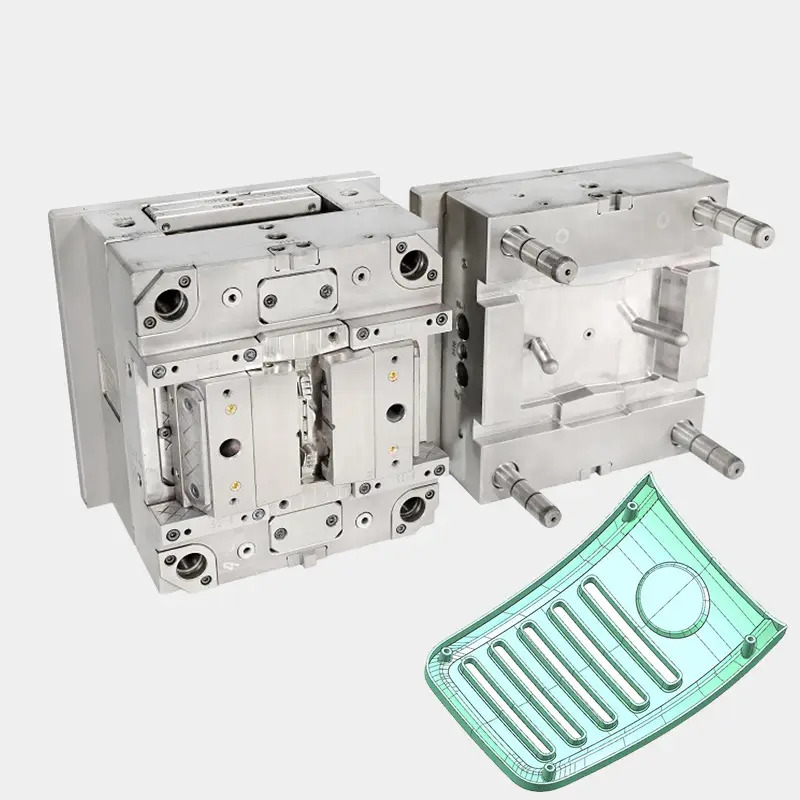 SINGLE & MULTI-CAVITY
Steel molds, defined process windows and agreed inspection for repeatable plastic parts across ongoing production orders.
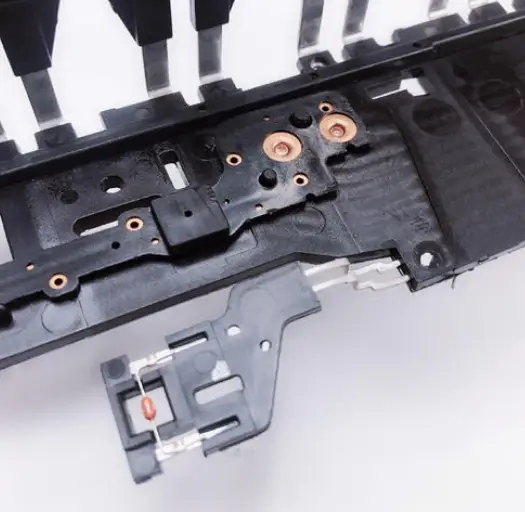 INSERTS & MULTI-MATERIAL
Mold plastic around metal inserts or bond a soft material to a rigid substrate for threads, sealing, grip and impact protection.
Compare tool construction, expected volume and program stage. Final mold recommendations depend on resin, geometry, tolerance, texture, cavitation and lifetime demand.
Pilot builds, market validation, and design iterations before committing to production tooling.
Use these capabilities for initial supplier screening. Your 3D model, 2D drawing, resin, annual volume and quality requirements control the final manufacturing plan.
Rapid tooling, low-volume injection molding and production molding
Prototype and bridge tools; single- and multi-cavity production molds
Insert molding, overmolding, texture, color matching and secondary assembly
15+ thermoplastic families, including ABS, PC/ABS, POM, PA, PP, PBT, PEEK, TPE and TPU
Programs from approximately 50 molded parts through 100,000+ parts, subject to tool and resin review
T1 samples, dimensional inspection, correction cycles and production approval support
FAI, dimensional reports and material documentation by agreed project scope
Capabilities are project-dependent. Mold life, lead time, tolerance and output are confirmed after review of part geometry, resin, tool construction and inspection method.
Our plastic injection molding DFM reviews wall thickness, draft, ribs, bosses, undercuts, parting lines, gates and ejection before mold release. Mold-flow analysis can be added where fill, weld lines, warpage or cooling creates meaningful risk.
Where the mold separates and what the witness line means for fit and appearance.
How resin enters the cavity—and its effect on weld lines, pressure and vestige.
Pin locations, release behavior and protected cosmetic surfaces.
Material behavior, wall transitions and geometry risks reviewed together.
Drawing requirements connected to the inspection method and process capability.
Defects cannot be prevented by a single checklist. Part design, resin, mold construction and process settings must be reviewed as one system.
Review nominal wall thickness, rib and boss ratios, packing access and local cooling around heavy sections.
WALL · PACK · COOLAssess gate location, flow length, venting, temperature and whether the meeting flow fronts cross a critical area.
GATE · FLOW · VENTBalance wall transitions, fiber orientation, cooling layout, shrink behavior and ejection before tool release.
SHRINK · COOL · EJECTCheck shutoff condition, vent depth, clamp demand, fill pressure and thin or restricted flow paths.
SHUTOFF · VENT · FILLOne accountable workflow keeps every approved decision attached to the program—from initial analysis through repeat orders.
Model, drawing, resin, quantity, finish and acceptance evidence.
DFM, mold concept, open decisions and quoted assumptions.
Approved design, manufacturing milestones and controlled changes.
Sample inspection, findings, correction plan and disposition.
T1 REVIEWValidated process, lot evidence, delivery and repeat-order record.
Compare common thermoplastics by performance, available grades and finishing routes. Final resin, color, additives, shrink allowance and certification requirements are confirmed for each custom injection molding project.
Balanced impact strength, appearance and cost for housings, covers and consumer products.
Inspection scope, documentation and approval records are matched to the program before production—not added as generic badges after the fact.
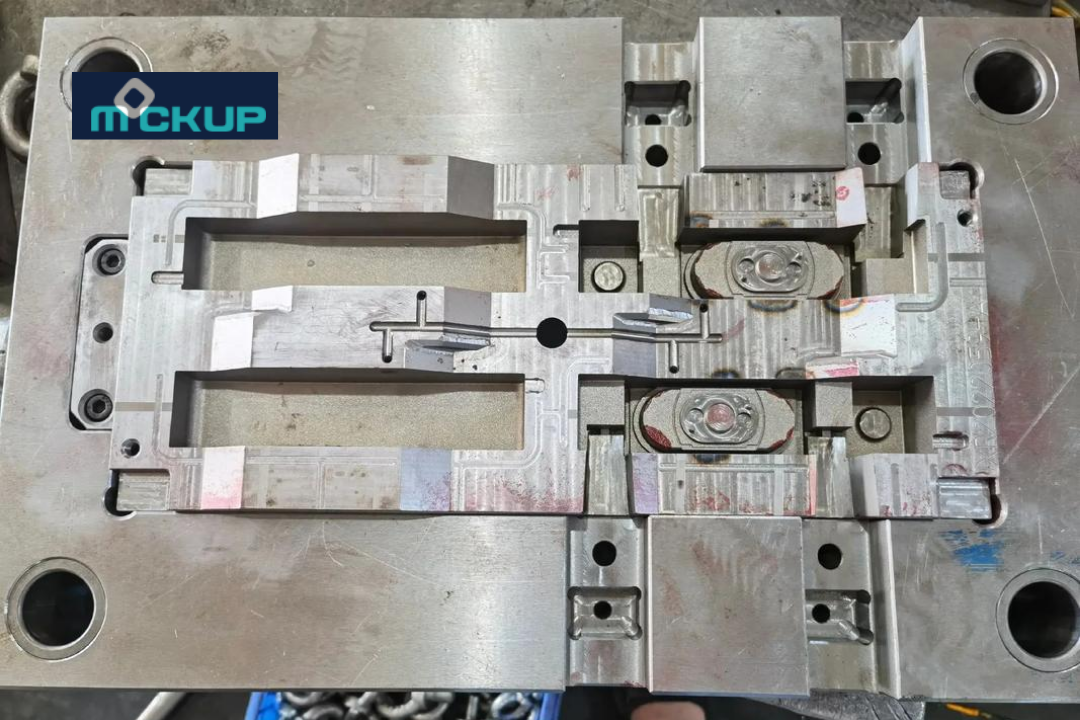
Tool concept, part requirements, sample findings and approved corrections stay connected through production.
Selected dimensions and observations recorded before repeat production.
VIEW SCOPE ↗Requested material identity and documentation connected to the order.
VIEW SCOPE ↗Approved drawing, texture and inspection requirements remain linked.
VIEW SCOPE ↗Bring mechanical, sealing, tactile and assembly requirements into one molding strategy.
Capture threaded inserts, contacts or structural elements directly into the molded component.
Combine rigid substrates with soft-touch, sealing or impact-absorbing material.
Coordinate texture, gloss, color, gate vestige and parting lines around defined appearance zones.
Practical answers for quoting rapid tooling, low-volume molding and production injection molded parts.
Send a STEP or Parasolid model plus a dimensioned PDF drawing. Include resin or performance requirements, color and texture, annual and first-order quantities, critical dimensions, inspection needs and the target T1 or production date.
Rapid tooling is a mold route optimized for faster validation or lower initial commitment. Tool construction is selected around resin, geometry, expected cycles and the decisions the molded parts need to prove before production tooling.
Yes. DFM can cover wall thickness, draft, ribs, bosses, parting lines, gates and ejection. T1 sample review, dimensional inspection and correction cycles can be included before production approval.
Mockup supports common commodity, engineering and high-performance thermoplastics such as ABS, PC/ABS, POM, PA, PP, PBT, PEEK, TPE and TPU. The exact commercial grade, color, additives and certificates are confirmed during review.
Yes. Programs can range from bridge quantities to ongoing production. The recommended mold material, cavitation and process depend on lifetime volume, resin, complexity, texture, tolerance and maintenance plan.
DFM and tool review identify risks such as sink, weld lines, warpage, flash, short shots and visible gate or ejector marks. Final control also depends on the validated molding process, cooling, venting, packing and inspection plan.
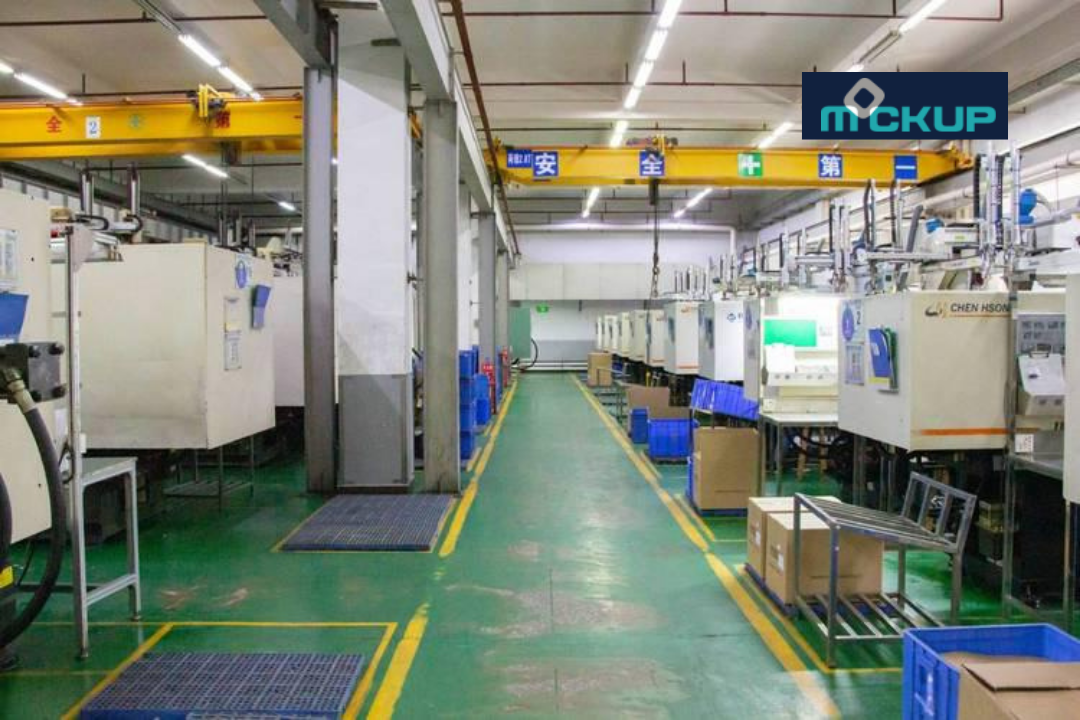
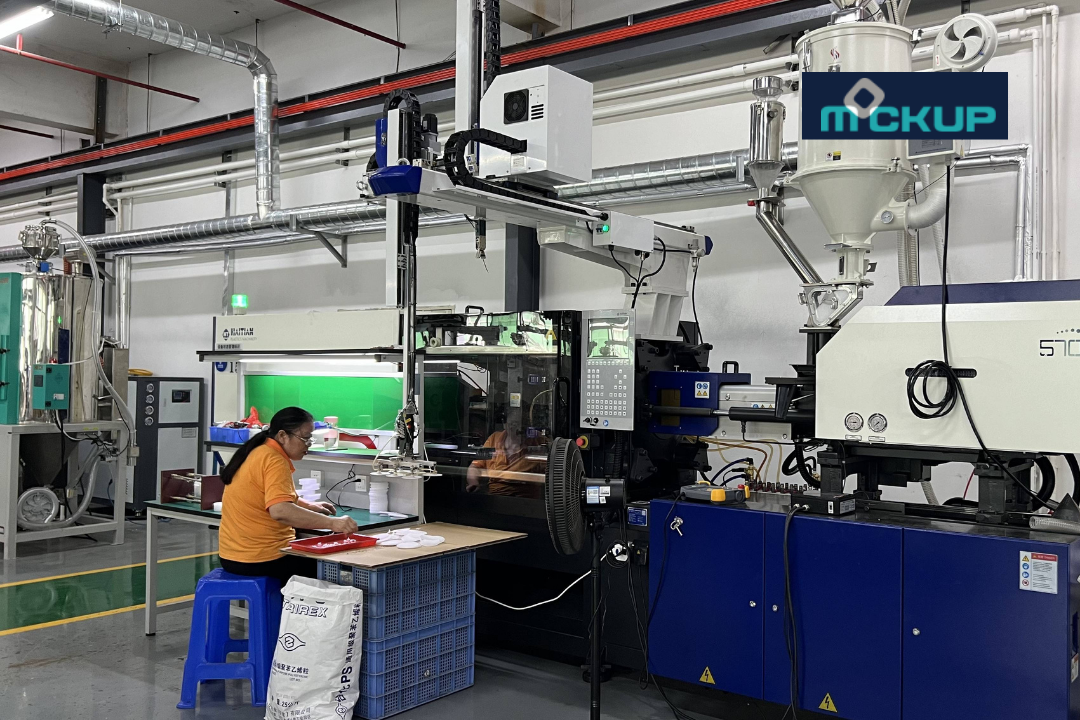
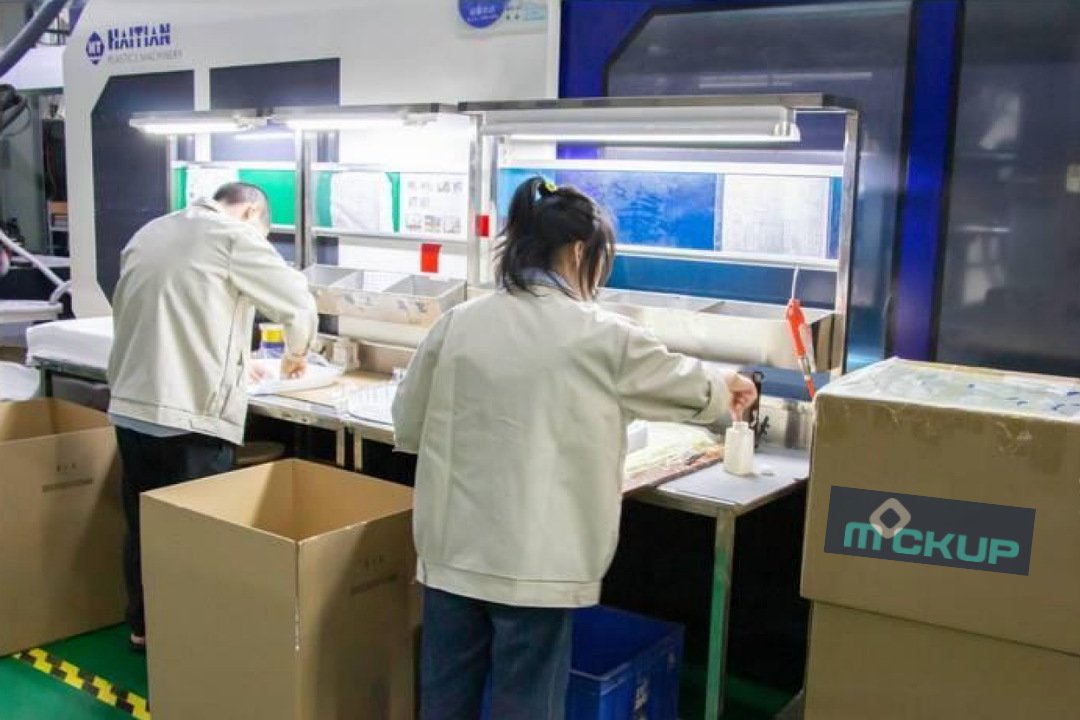
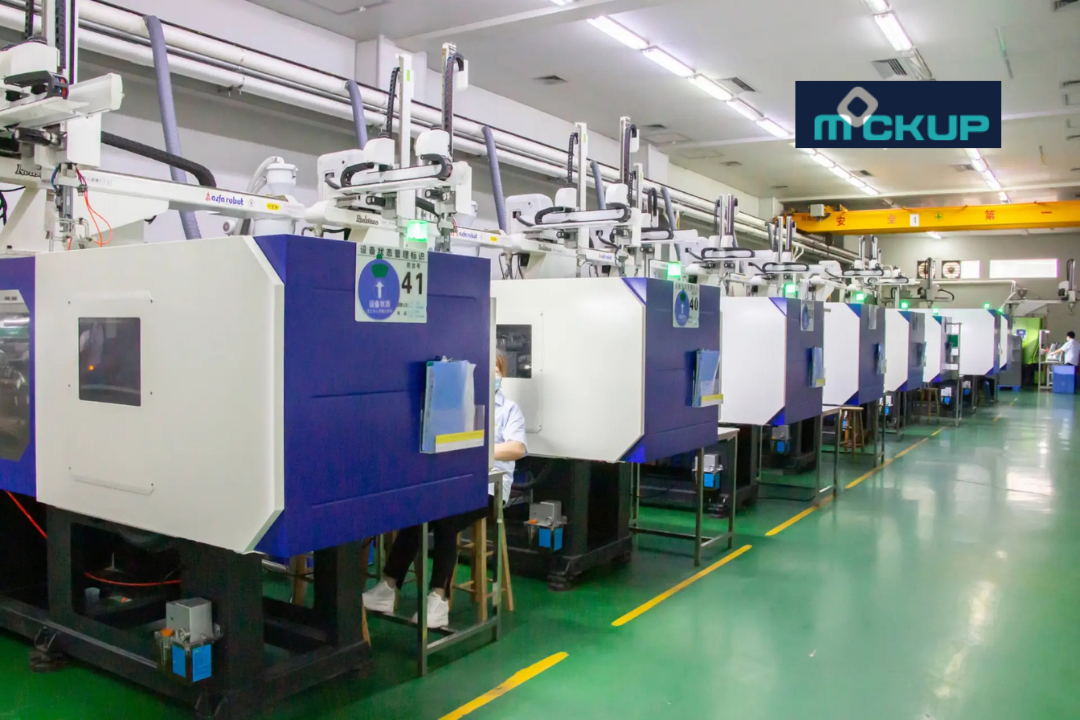
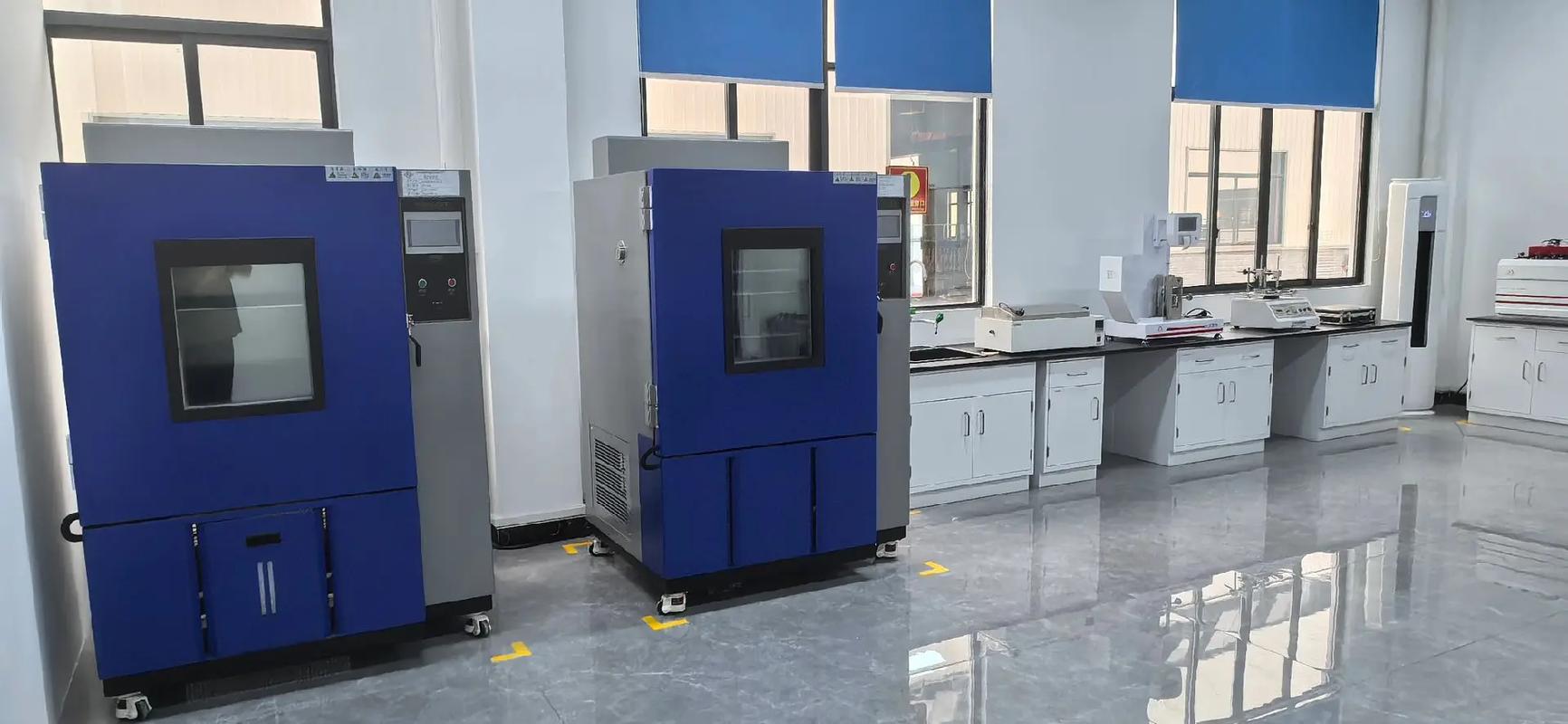
Explore the molding floor, automated cells, inspection stations and supporting laboratory behind prototype, bridge and repeat-production programs.
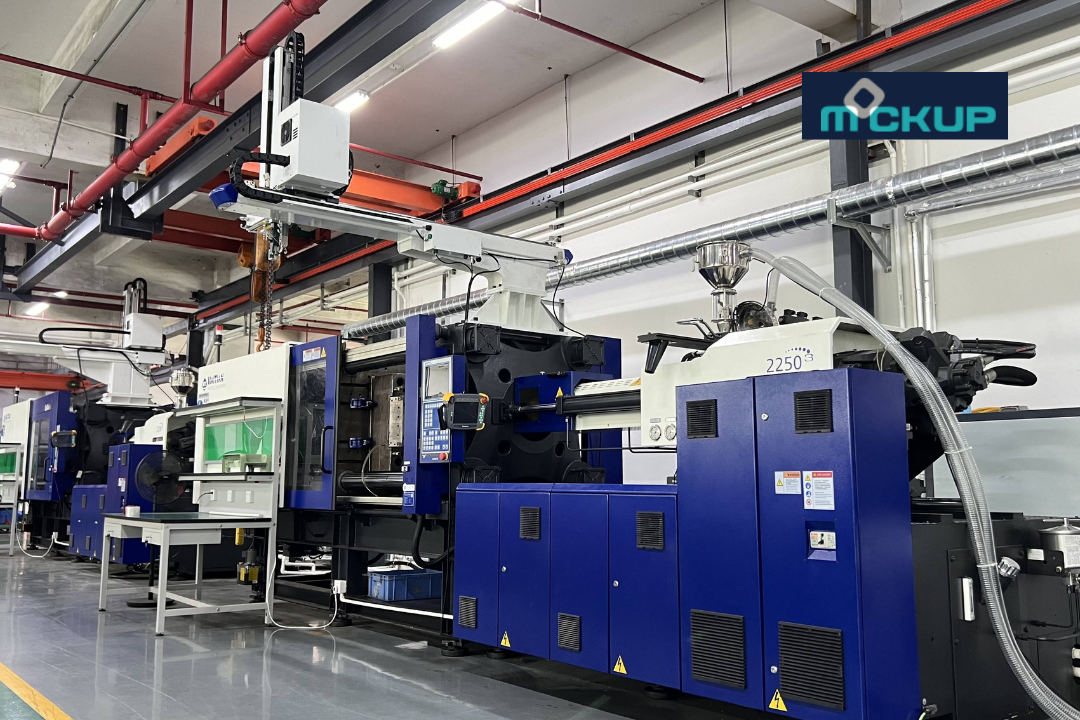
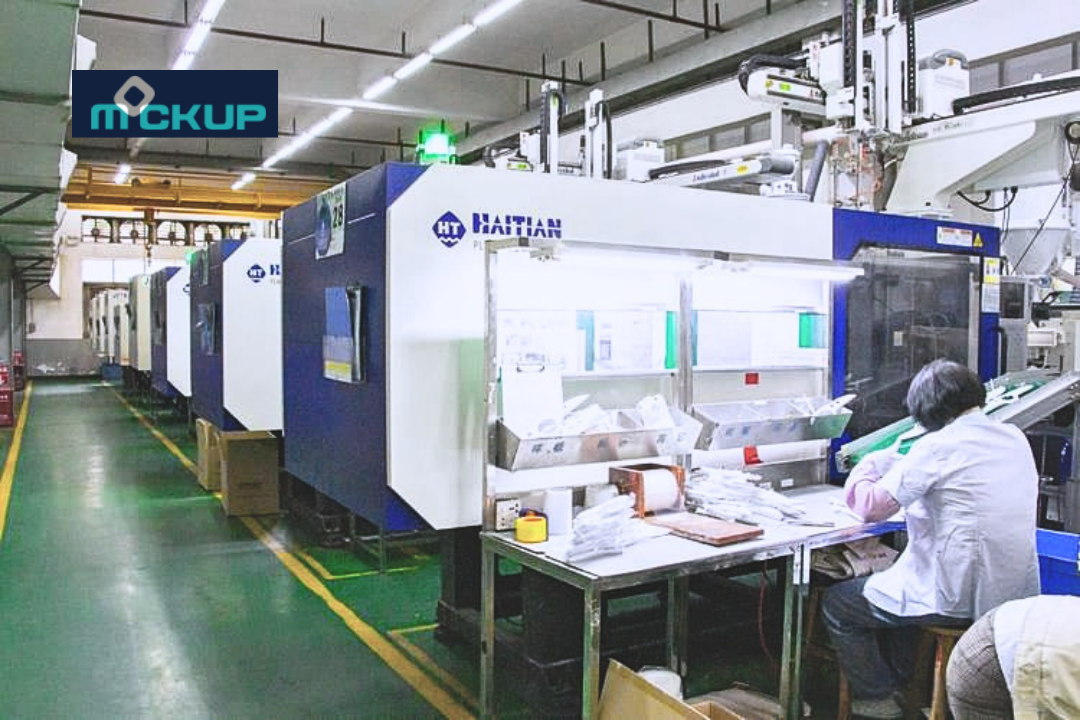
Share your model, drawing, resin preference, expected volume and target date. A manufacturing engineer will review the route and identify the next decision.
Attach at least one CAD file or drawing so engineering can review the project in context.