
Precision for Critical Interfaces
Control bores, mounting patterns, sealing surfaces, datums and feature relationships according to drawing requirements.
Mockup supports aerospace development and production with CNC machining, sheet metal fabrication, additive manufacturing, finishing and assembly for structural, mechanical and flight-system components.
Send your CAD, drawings, material specifications and critical requirements for manufacturing and engineering review.
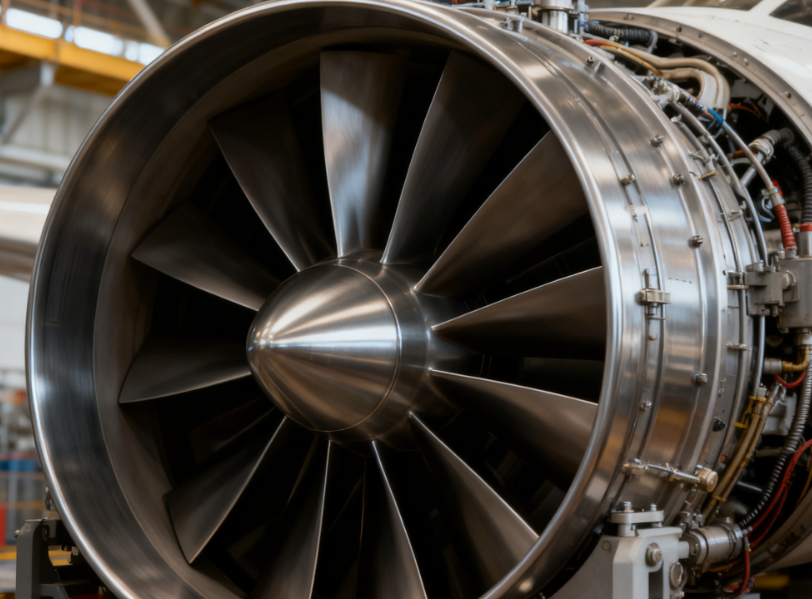
Aerospace components combine demanding geometry with requirements for weight, strength, repeatability and traceability.
Mockup connects manufacturing, finishing and inspection so critical requirements remain controlled from development through production.
Control bores, mounting patterns, sealing surfaces, datums and feature relationships according to drawing requirements.
Multi-axis CNC machining supports deep pockets, compound angles, thin walls and features across multiple faces with fewer setups.
Machine aluminum, titanium and other aerospace materials into weight-efficient structures while protecting load paths and critical interfaces.
Use production-intent materials for prototypes, then carry approved drawings, processes and inspection requirements into repeat builds.
Material records, dimensional inspection, FAI and project-specific documentation can be coordinated according to agreed requirements.
Combine CNC machining, sheet metal, additive manufacturing, finishing and assembly through one project workflow.
Aerospace development requires physical hardware to validate weight, structural interfaces, assembly access and material performance before production.
Mockup supports rapid prototypes, engineering validation parts, tooling and repeat production using production-intent metals and engineering plastics. Machining, fabrication, finishing and inspection can be coordinated through the same project route.
Start an aerospace manufacturing project ↗Different aerospace components require different manufacturing strategies. Mockup selects the process around geometry, material, critical interfaces and production stage.
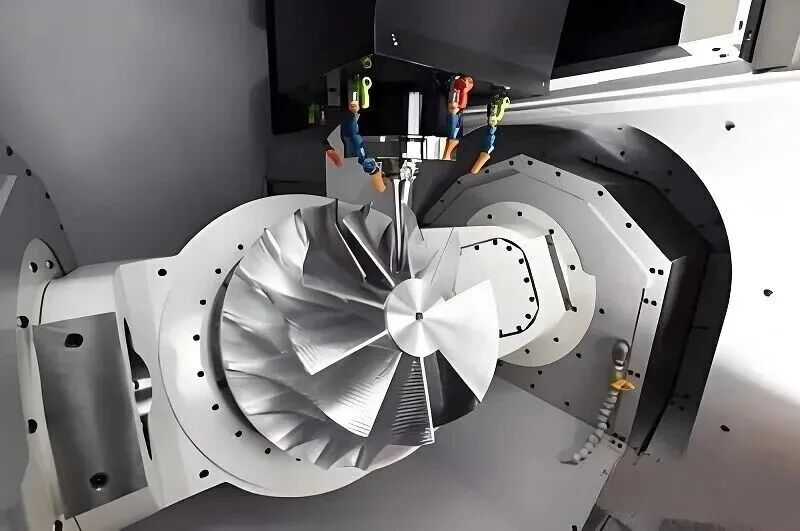
For housings, manifolds and structural parts with compound angles, deep pockets and features across multiple faces.
Explore service↗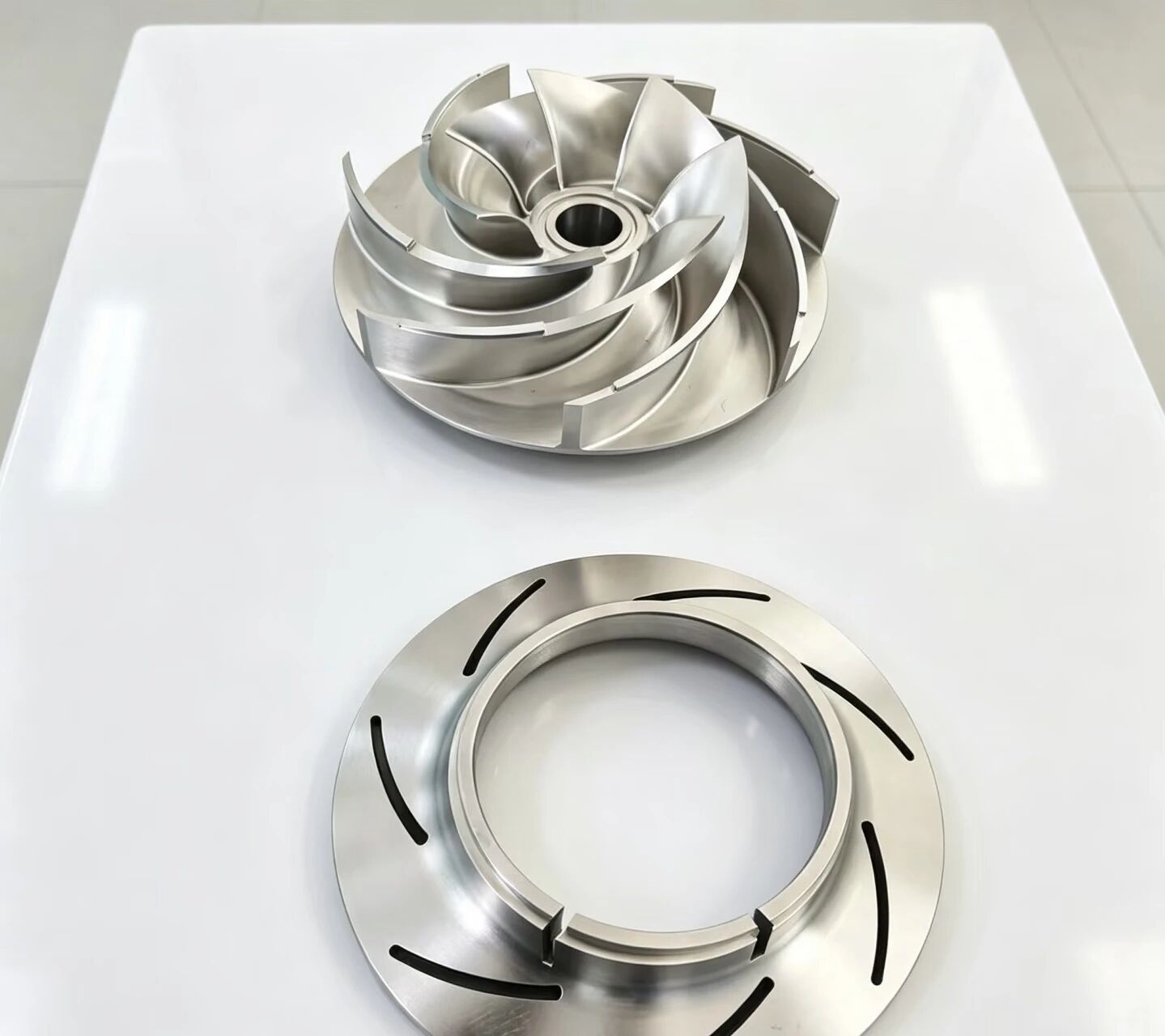
For brackets, plates, mounts, frames and lightweight structural components requiring controlled geometry.
Explore service↗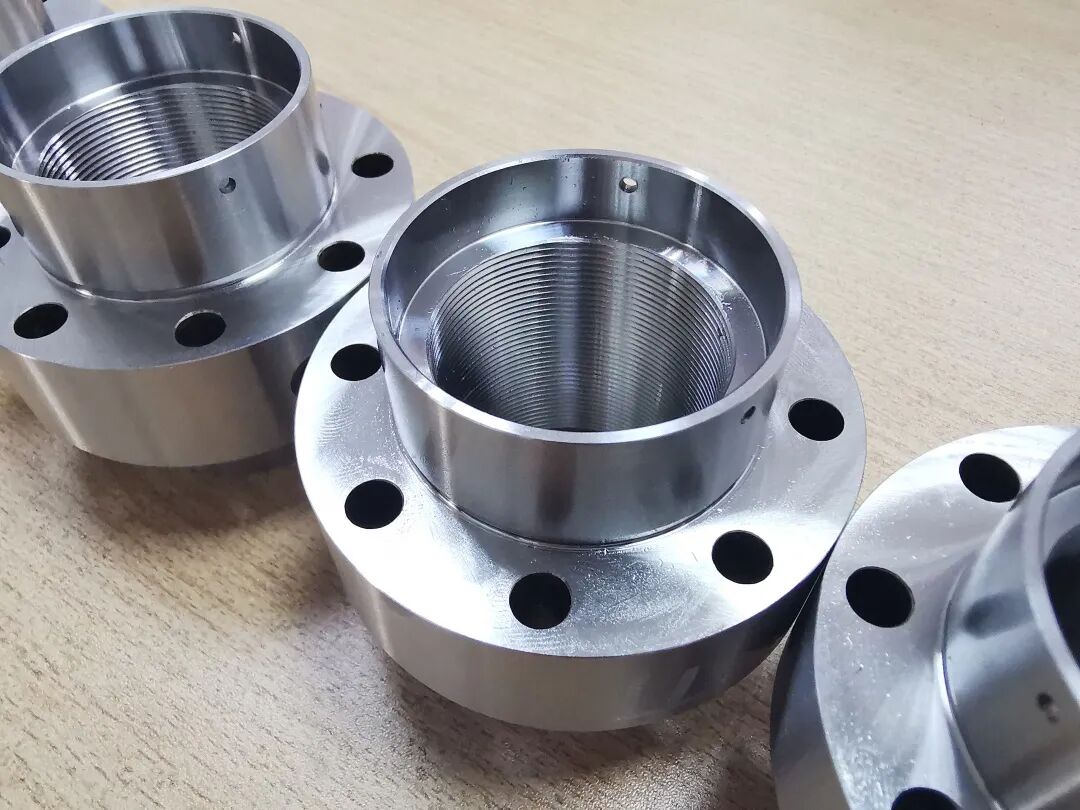
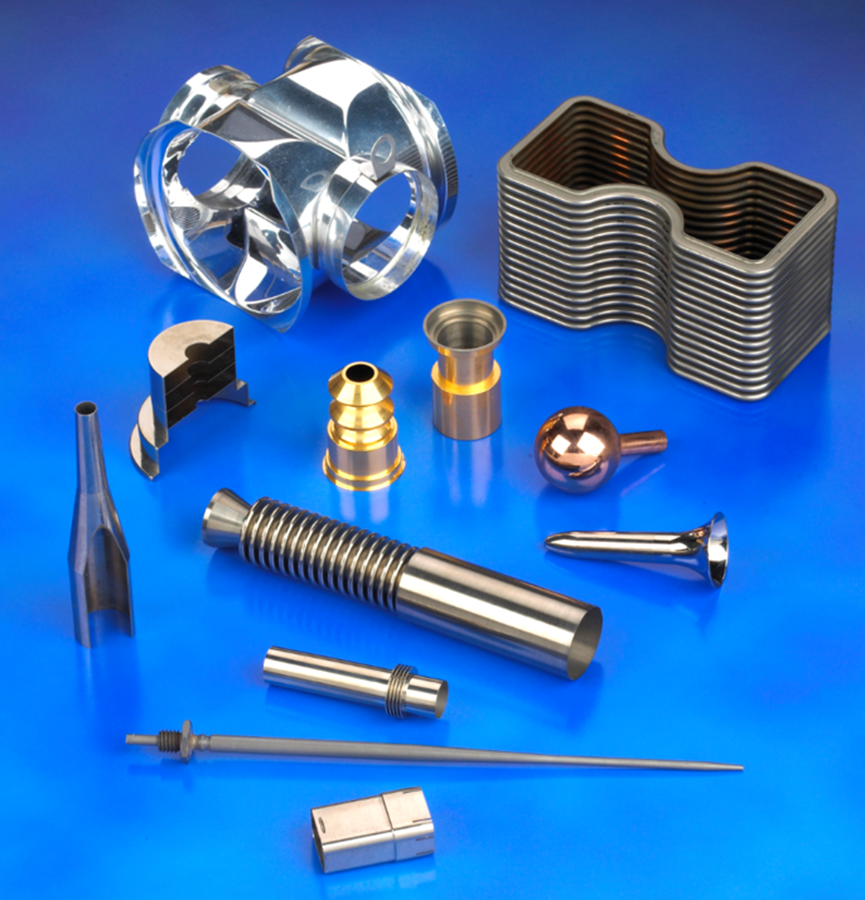
For shafts, pins, bushings, fittings and rotational components requiring controlled diameters and concentricity.
Explore service↗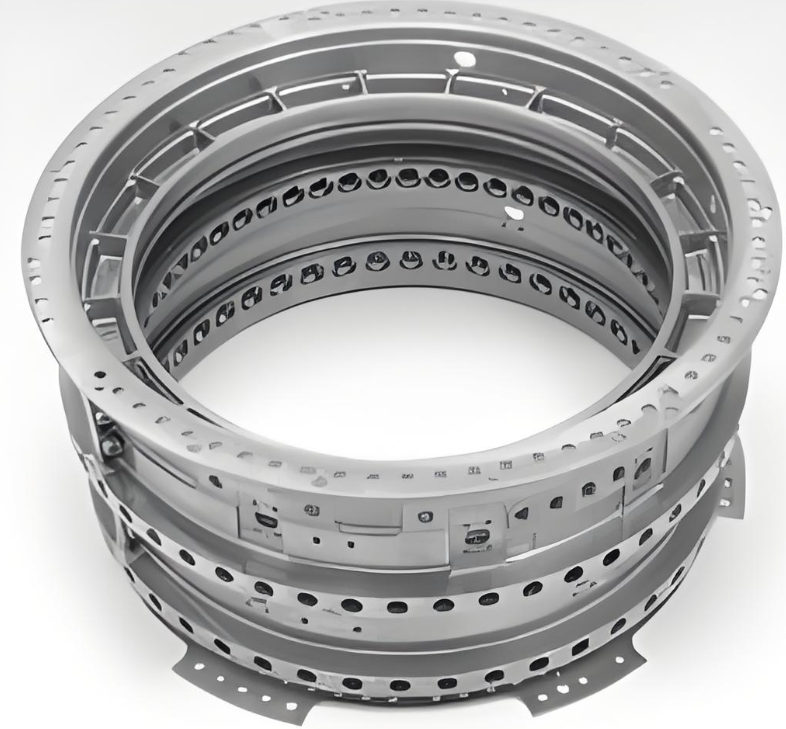
For avionics housings, panels, covers, chassis and lightweight fabricated structures.
Explore service↗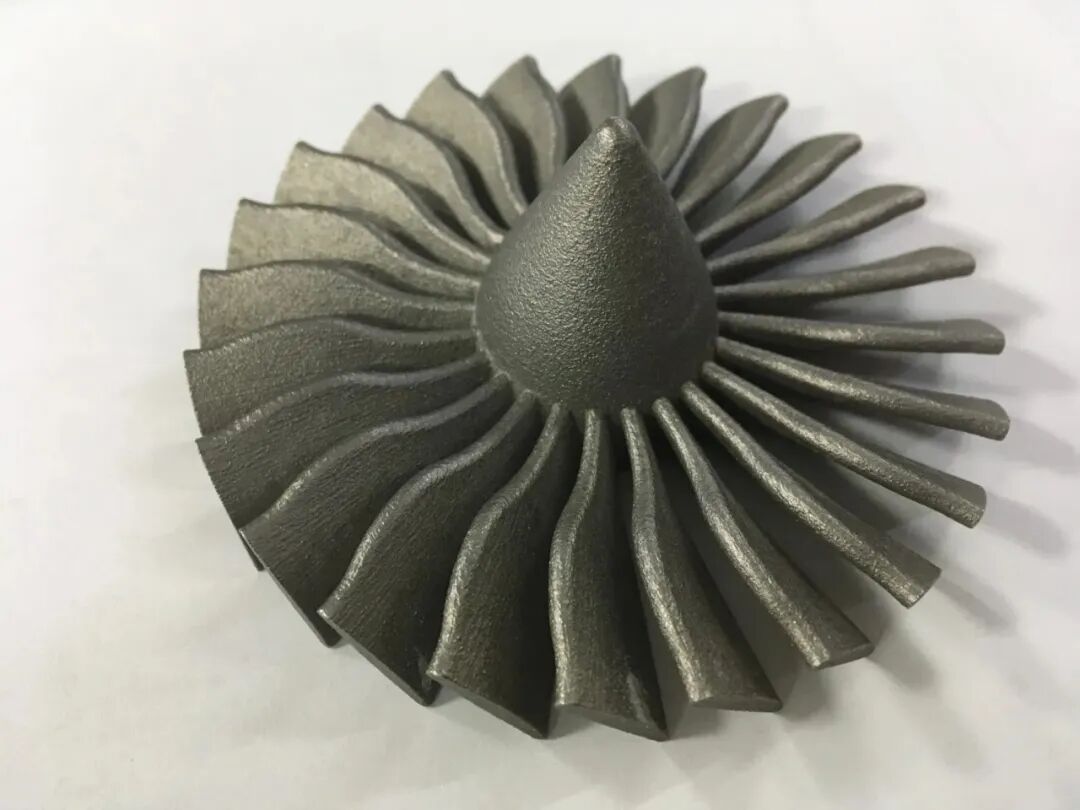
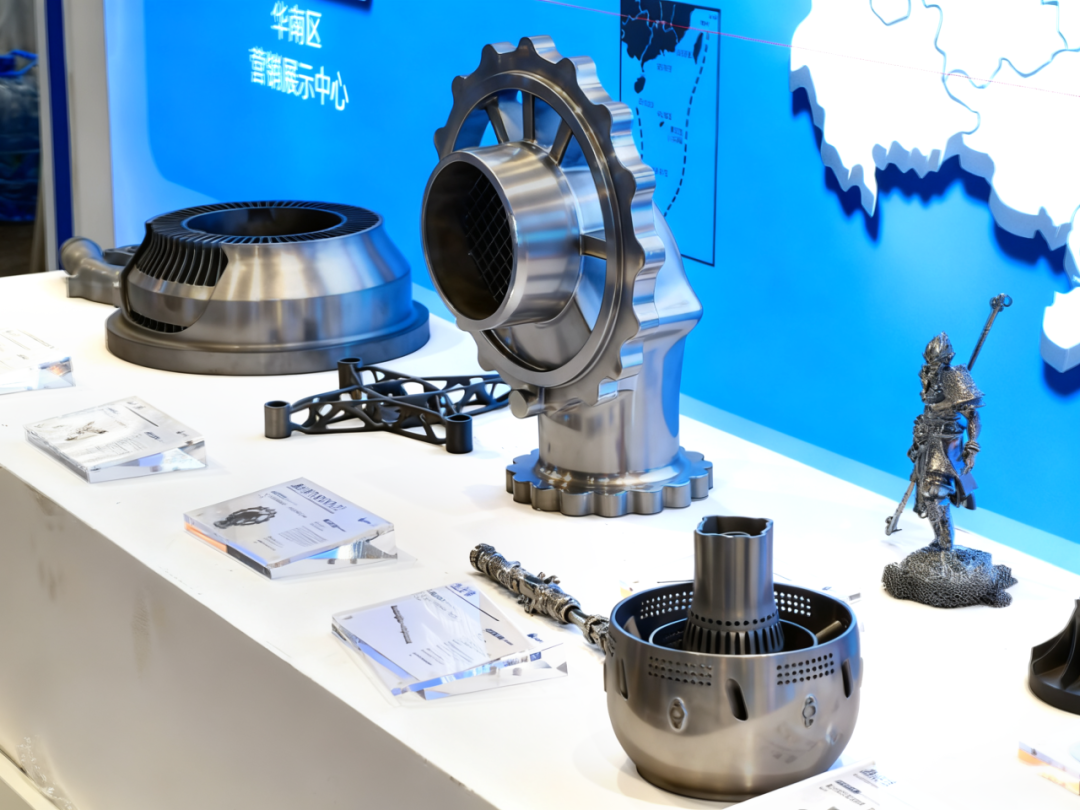
For development hardware, ducts, fixtures and complex low-volume geometry where design flexibility matters.
Explore service↗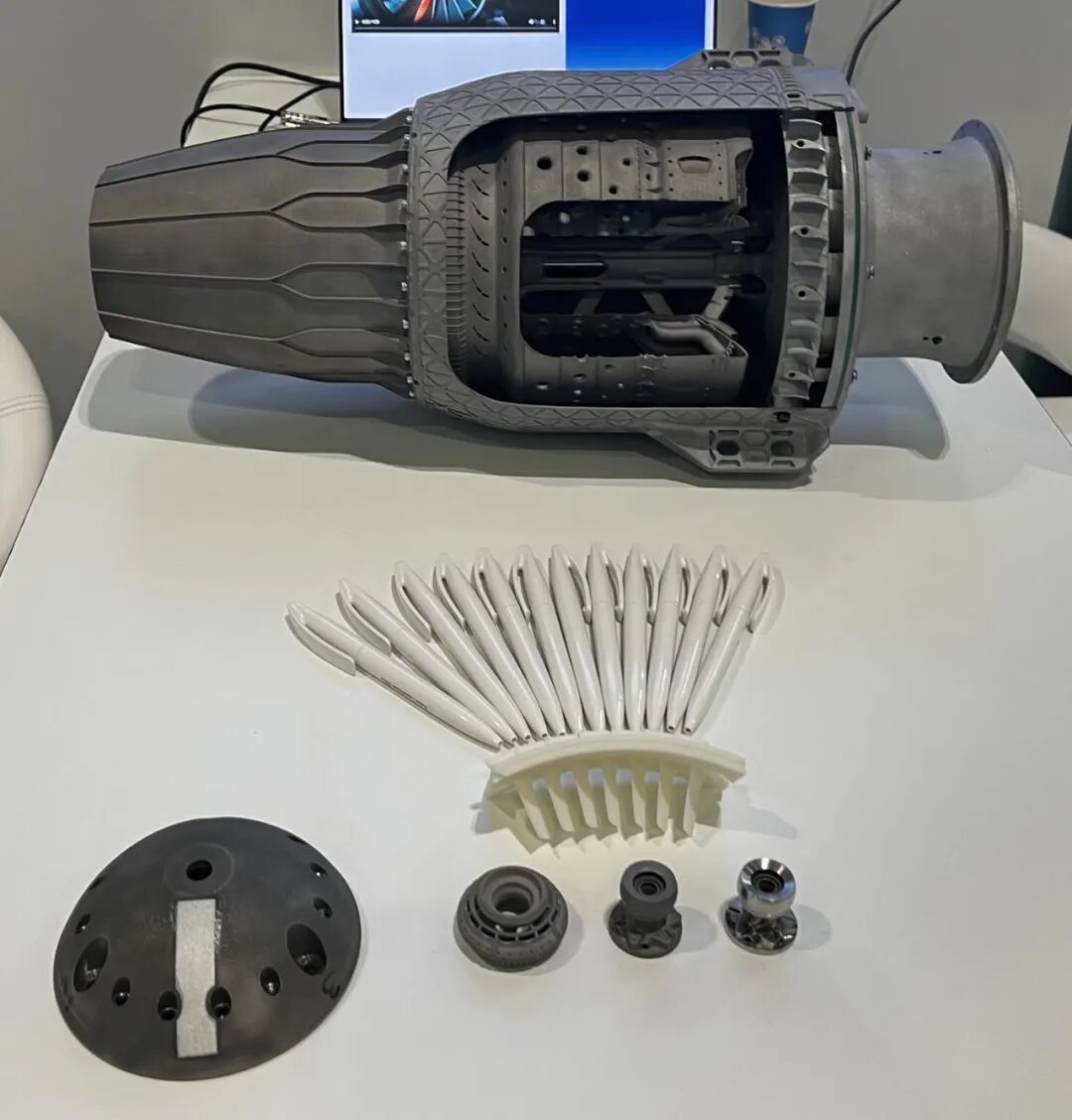
Combine machined, fabricated and purchased components into mechanical subassemblies according to project requirements.
Explore service↗Coordinate material, manufacturing and finishing around weight, strength, corrosion resistance and final assembly performance.
Aluminum 6061, 7075 and 2024, stainless steel, titanium Grade 5, Inconel 625 and 718, and PEEK.
View All Materials ↗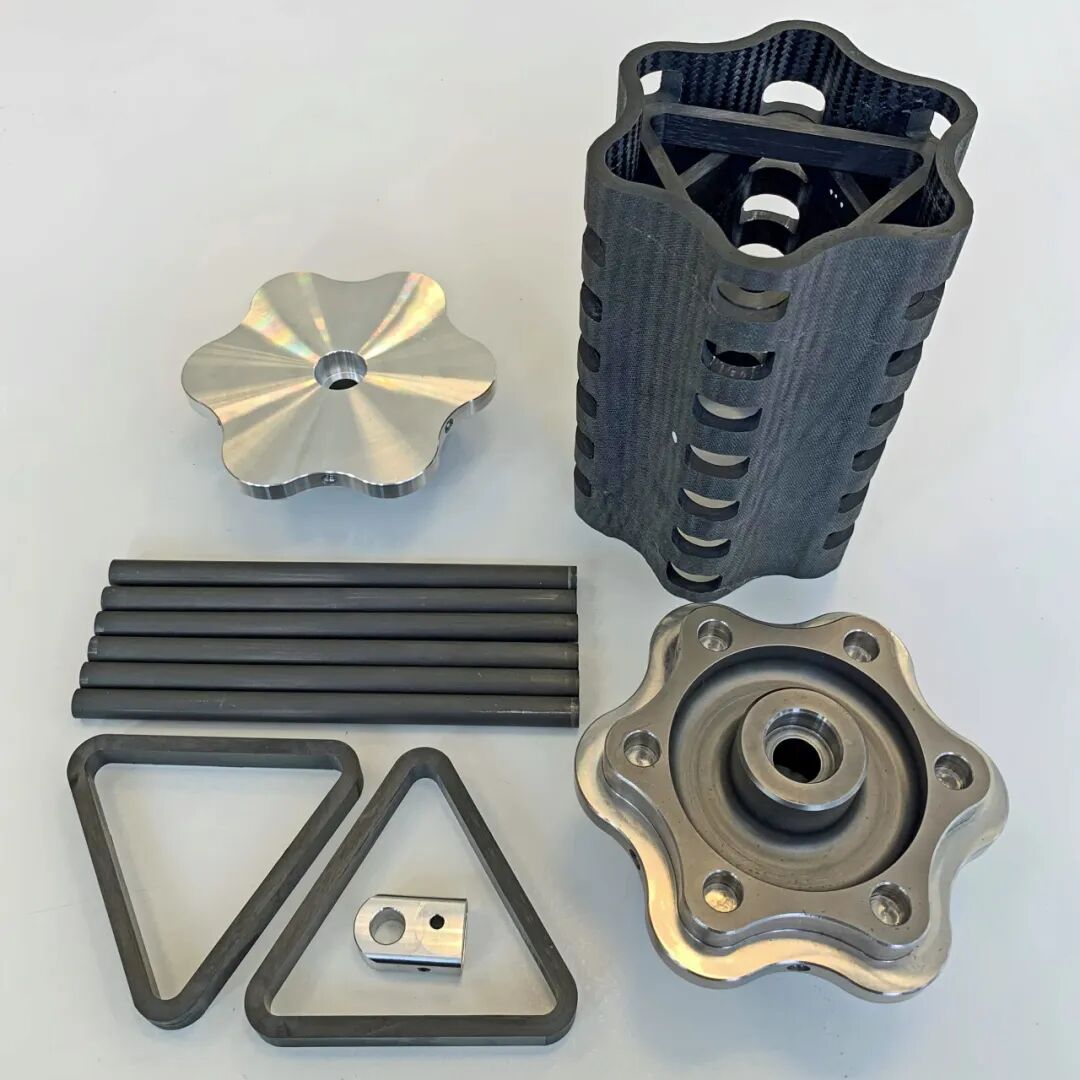
Anodizing, hard anodizing, passivation, chem film, electroless nickel, plating, blasting, painting and powder coating.
View All Surface Finishes ↗Aerospace development moves through validation stages rather than directly from CAD to production. Development route: Prototype → Verification → Pilot Build → Repeat Production.
Validate geometry, assembly and design direction using representative materials.
Evaluate critical interfaces, weight, functional geometry and inspection requirements.
Establish repeatable manufacturing, finishing and inspection methods across a controlled batch.
Carry approved revisions, material requirements and inspection characteristics into subsequent releases.
Aerospace components bring geometry, material, finishing and documentation requirements together. The manufacturing route must protect each requirement without losing sight of the assembled function.
Deep pockets, thin walls and material removal reduce mass but can introduce distortion and machining instability.
Bearing, mounting, optical and sealing interfaces may exist across several faces and need controlled positional relationships.
Titanium, stainless steels and nickel alloys require machining strategies that account for heat, cutting forces and tool wear.
Bores, sealing surfaces, mounting patterns and mating features need tolerances matched to their actual function.
Anodizing, plating and other treatments can affect critical fits and must be considered before machining is released.
Material, inspection and process records must remain connected to the correct drawing revision and production lot.
Aerospace inspection focuses on the features that control fit, alignment and functional relationships. CMM inspection, gauges and project-specific measurement methods can be applied according to drawing requirements. Inspection reports, FAI, material records and CoC can be supplied where agreed.
Aerospace inspection focuses on the features that control fit, alignment and functional relationships. CMM inspection, gauges and project-specific measurement methods can be applied according to drawing requirements. Inspection reports, FAI, material records and CoC can be supplied where agreed.
Yes. CNC machining, sheet metal fabrication and additive manufacturing can support prototypes and engineering validation parts using production-intent materials.
Yes. Common options include aluminum 6061, 7075 and 2024, titanium Grade 5, stainless steel and project-specific engineering alloys.
Yes. Multi-axis CNC machining supports housings, manifolds and structural components with deep pockets, compound angles and features across multiple faces.
Yes. Mockup supports prototypes, pilot quantities and repeat low-volume production.
Dimensional inspection reports, FAI, material records and certificates can be provided when agreed as part of the project.
Yes. Anodizing, passivation, chem film, electroless nickel, plating, blasting, painting and powder coating can be coordinated according to project requirements.
Share your CAD, drawings, revision, material specifications, finishing requirements and inspection needs so the manufacturing route can be reviewed as one controlled project.