
Components for Demanding Environments
Manufacture housings, manifolds, structural parts and mechanical components around project-specific load, temperature and environmental requirements.
Mockup manufactures custom parts and assemblies for power generation, renewable energy, energy storage and supporting equipment. CNC machining, sheet metal fabrication, casting, additive manufacturing, finishing and assembly support projects from engineering prototypes through repeat production.
Send your CAD, drawings, material requirements and production stage for manufacturing and engineering review.
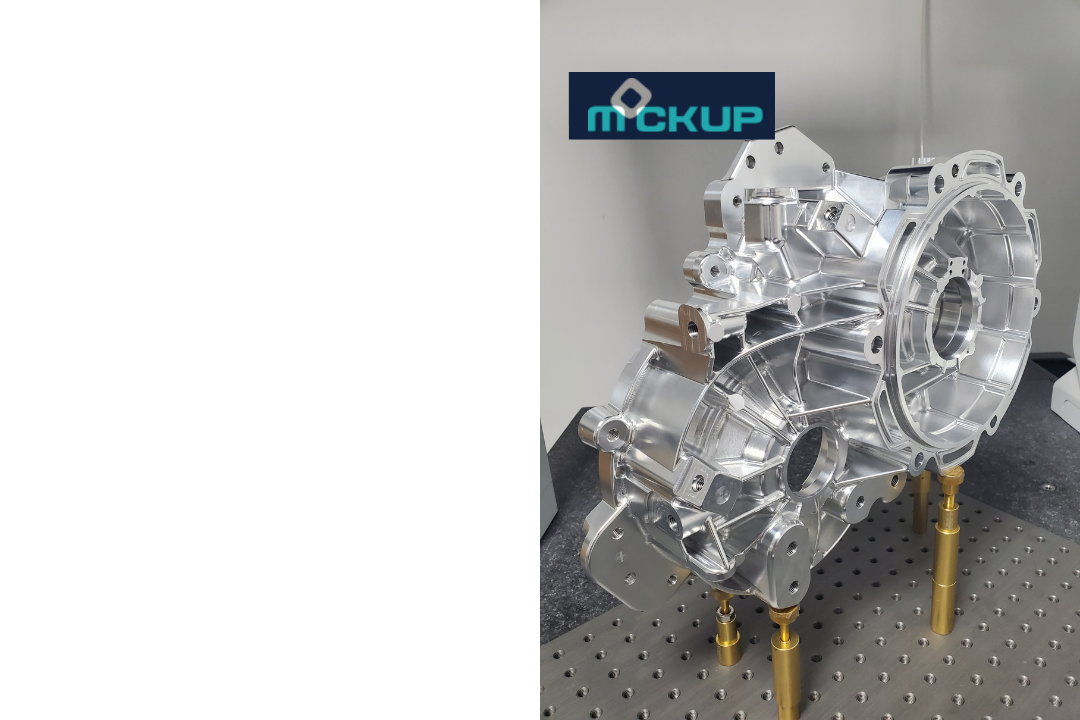
Energy equipment operates under demanding combinations of load, temperature, corrosion, pressure and long service cycles.
Mockup connects manufacturing, materials, finishing and inspection so critical requirements remain controlled from development through production.
Manufacture housings, manifolds, structural parts and mechanical components around project-specific load, temperature and environmental requirements.
Multi-axis CNC supports impellers, manifolds, housings and components with deep features and complex geometry.
Combine CNC machining, turning, sheet metal, casting, additive manufacturing, finishing and assembly.
Build engineering prototypes in production-intent materials, then carry approved revisions into repeat production.
Support equipment frames, mounting structures, enclosures and fabricated components alongside precision parts.
Coordinate dimensional inspection, material records, FAI and project-specific documentation.
Energy systems depend on mechanical components that must perform under load, temperature changes, outdoor exposure, fluid handling and repeated operating cycles.
Mockup supports prototype, validation and production parts across renewable energy, conventional power generation, energy storage and supporting equipment.
Start an energy manufacturing project ↗Energy equipment includes everything from small fluid-control components to large structural assemblies. Manufacturing routes should follow the geometry, operating environment and production requirements of each part.
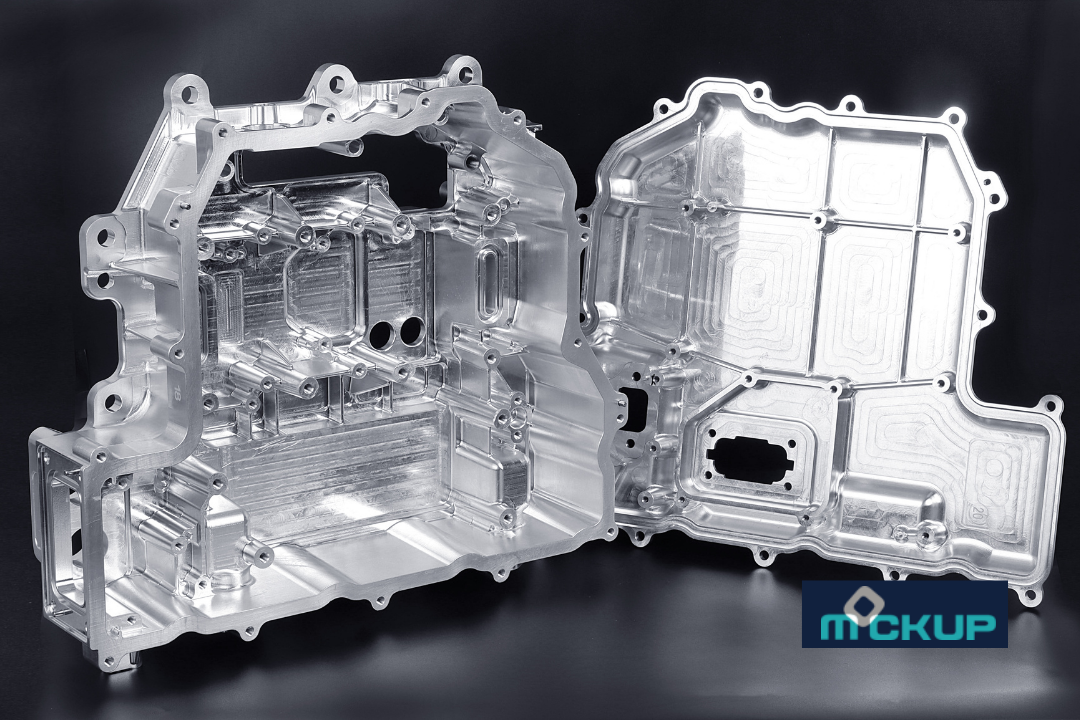
For impellers, manifolds, housings and complex components with curved geometry, deep features or critical interfaces across multiple faces.
Explore service↗For mounting structures, valve bodies, manifolds, cooling plates, equipment components and precision interfaces.
Explore service↗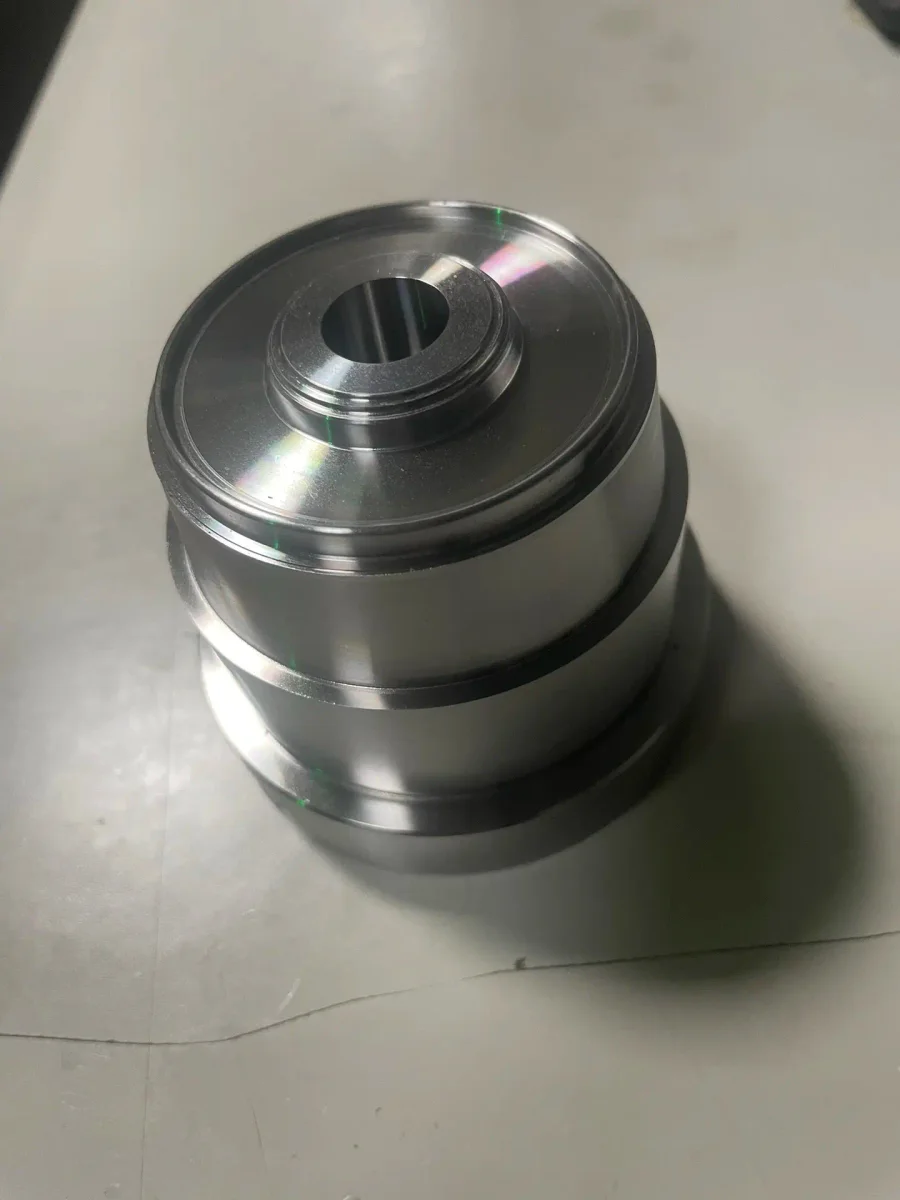
For shafts, bushings, fittings, sleeves and rotational components requiring controlled diameters and concentricity.
Explore service↗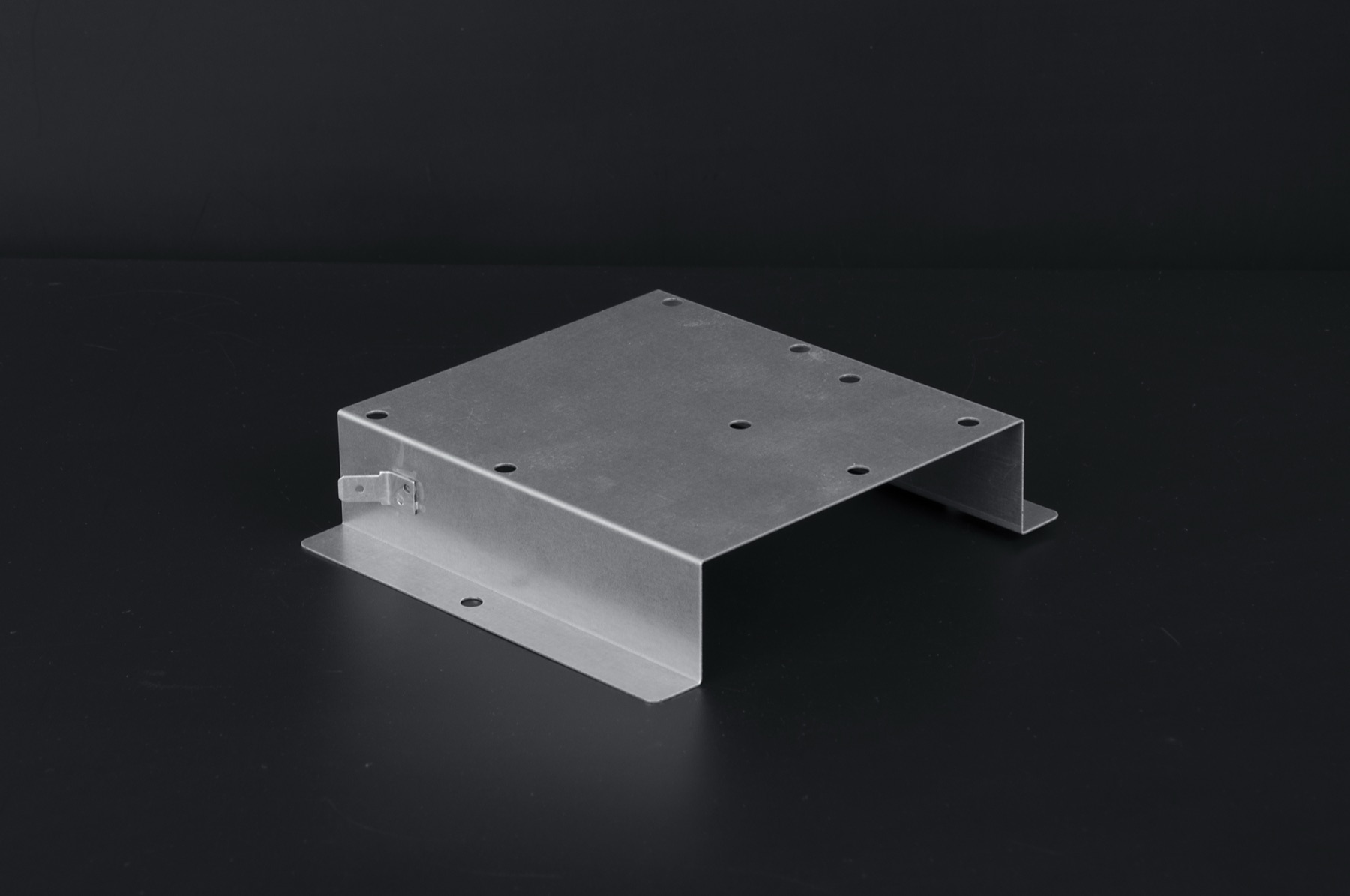
For equipment frames, battery structures, enclosures, cabinets, guards, panels and supporting assemblies.
Explore service↗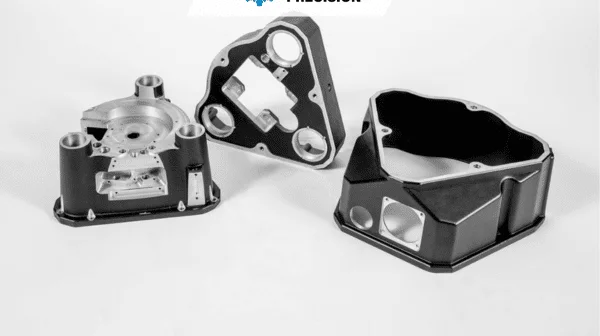
For aluminum and zinc housings and structural components when geometry and repeat volume justify production tooling.
Explore service↗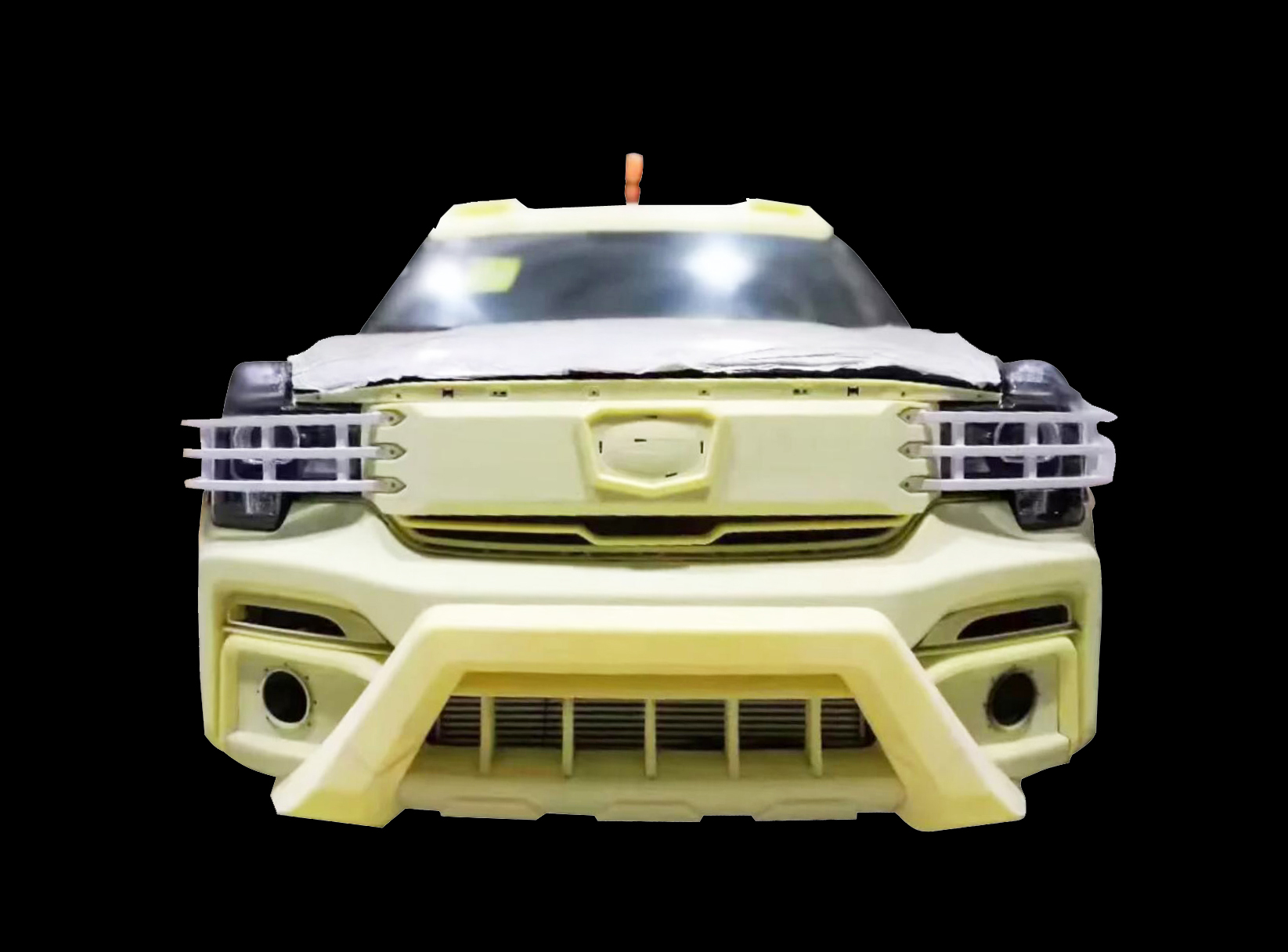
For development hardware, complex fluid geometry, fixtures and low-volume parts where design flexibility is important.
Explore service↗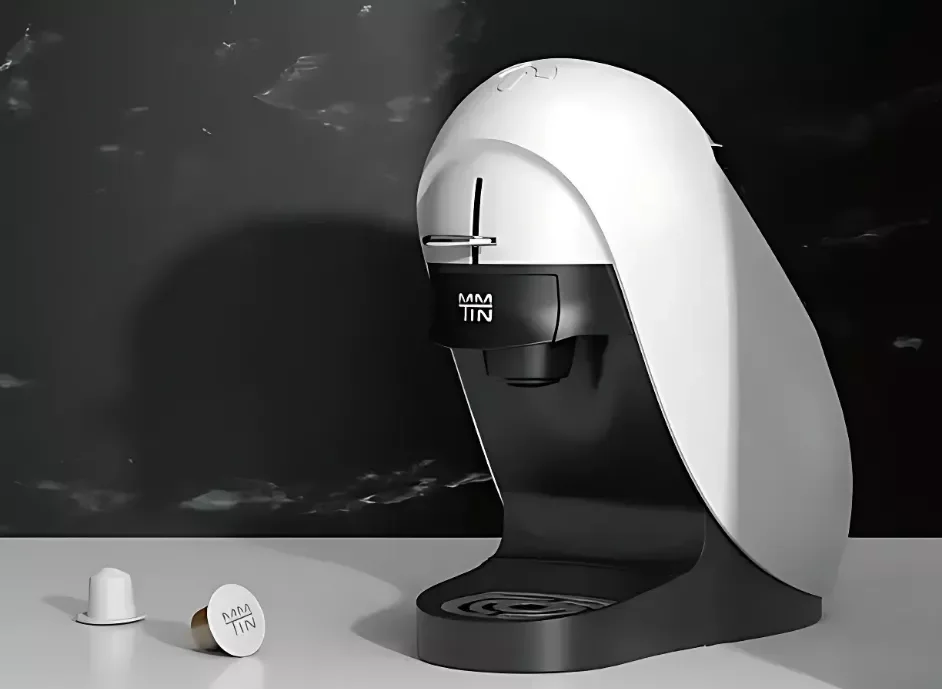
Combine machined, fabricated and purchased components into mechanical subassemblies according to project requirements.
Explore service↗Material and finish selection should follow the actual load, temperature, corrosion and environmental requirements.
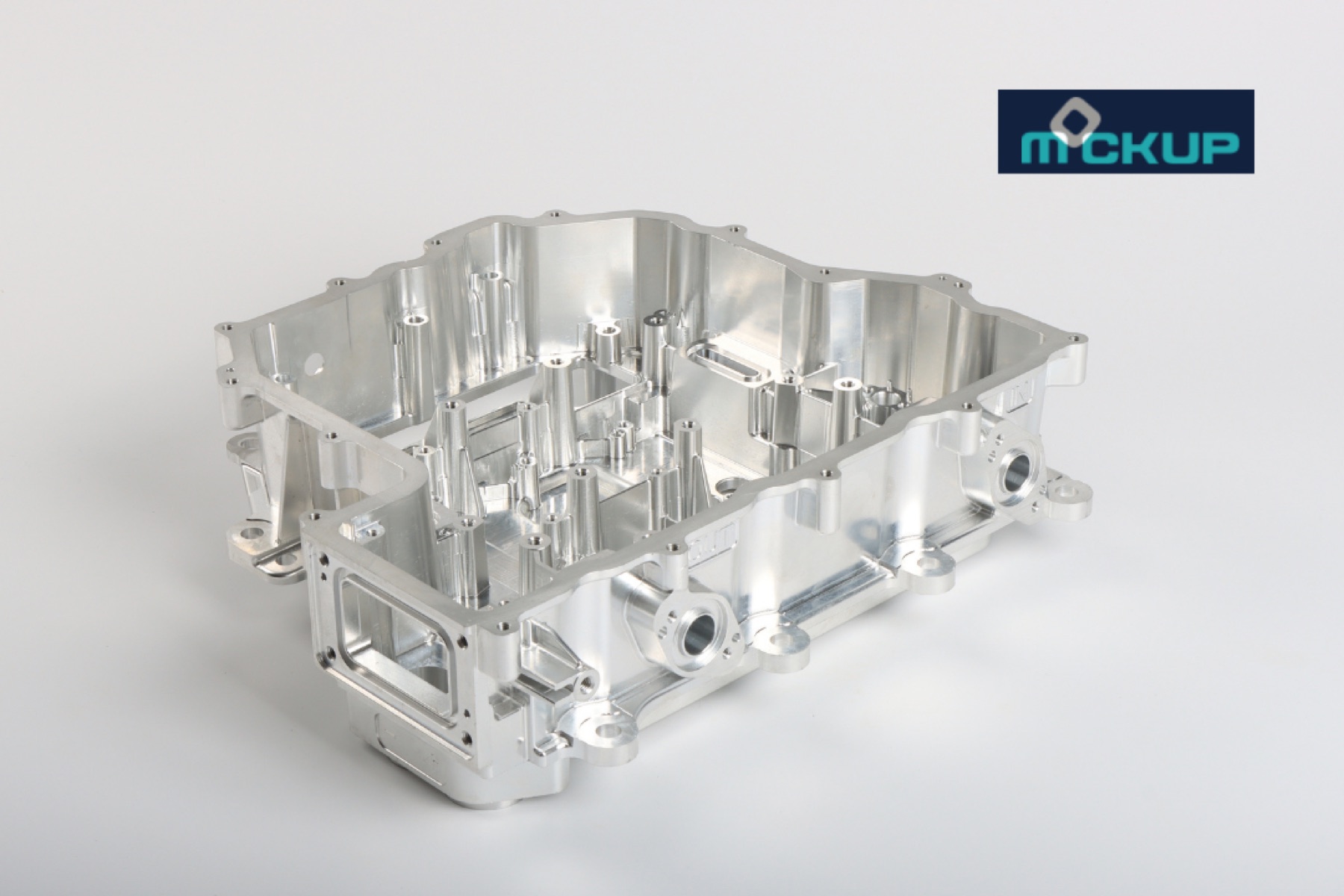
Aluminum 6061 and 7075; stainless 304 and 316; carbon, alloy and tool steels; copper, brass, Inconel, PEEK and PTFE.
View All Materials ↗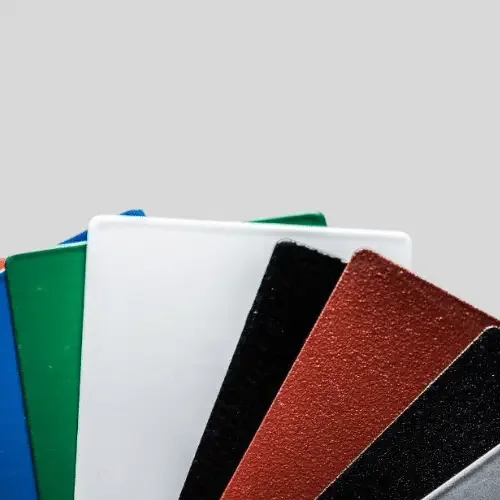
Anodizing, hard anodizing, passivation, electroless nickel, zinc plating, black oxide, powder coating, painting and bead blasting.
View All Surface Finishes ↗Development route: Prototype → Functional Build → Verification → Pilot Production → Repeat Production.
Produce components for initial mechanical, fluid, thermal and assembly evaluation.
Use production-intent materials to evaluate load-bearing interfaces, sealing, thermal behavior and equipment integration.
Control critical dimensions, materials, finishes and inspection requirements during system testing.
Establish repeatable manufacturing and inspection methods across controlled quantities.
Carry approved revisions, material requirements and manufacturing records into subsequent releases.
Renewable energy systems depend on mechanical components that must withstand load, weather, thermal cycling and long operating periods.
Panel mounting hardware, tracking-system components, equipment housings, brackets, frames and power-electronics enclosures.
Machined and fabricated components for gearing, rotor-related hardware, bearing systems, housings and mounting structures.
Components for turbines, generators, shafts, bearing systems, housings, valves and supporting equipment.
Battery housings, trays, cooling plates, structural components and power-electronics hardware.
Many energy systems depend as much on thermal and fluid management as on structural strength.
Machined channels, sealing surfaces and thermal interfaces for batteries, power electronics and heat-generating equipment.
Plates, manifolds, housings and supporting components manufactured around fluid and thermal interfaces.
Complex fluid-handling geometry requiring controlled rotational features, surfaces and interfaces.
Ports, sealing surfaces, threads and fluid passages manufactured around pressure and assembly requirements.
Flatness and surface condition controlled where components transfer heat to cooling systems or power electronics.
Energy components must continue performing through demanding loads, temperature changes, exposure and long service cycles.
Turbine, generator and structural components may experience continuous or cyclic loading.
Power-generation and energy-storage equipment can experience significant thermal changes.
Long outdoor service increases the importance of material and surface protection.
Pumps, valves, manifolds and cooling systems depend on controlled sealing surfaces and ports.
Frames, housings and plates may combine large dimensions with localized precision features.
Long equipment lifecycles create demand for low-volume replacement components.
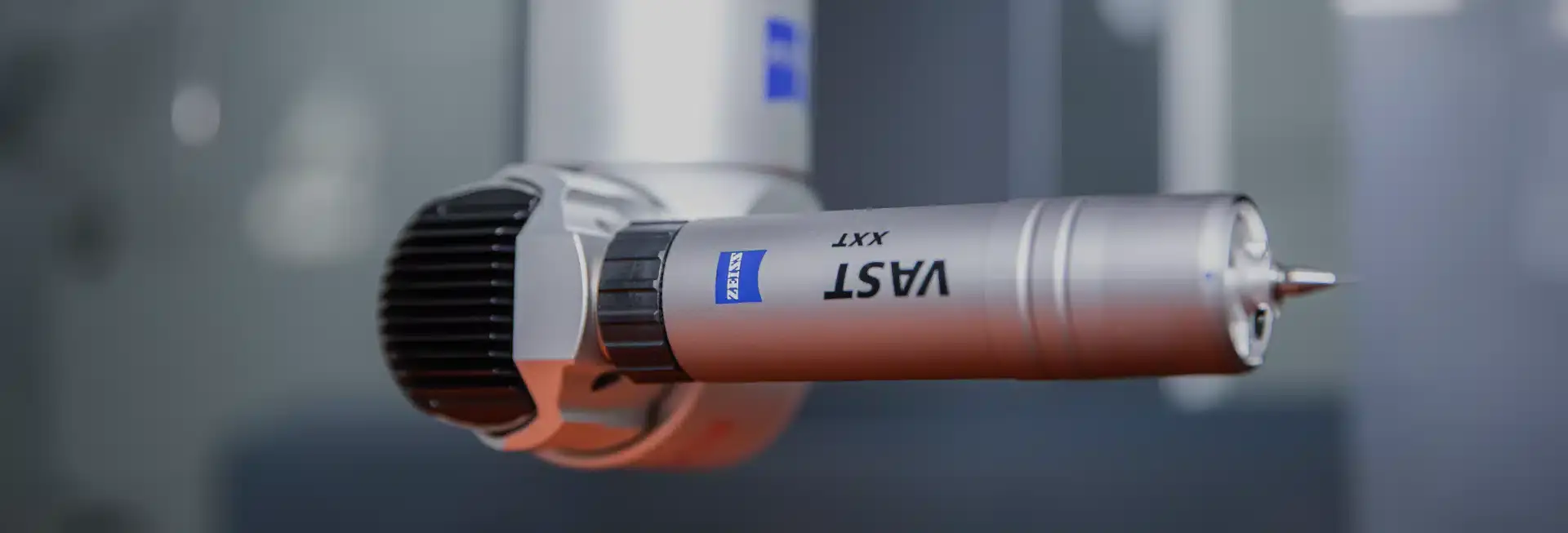
CMM, gauges and project-specific measurement methods can be selected according to component geometry and drawing requirements. FAI, dimensional reports, material records and CoC can be supplied where agreed.
CMM, gauges and project-specific measurement methods can be selected according to component geometry and drawing requirements. FAI, dimensional reports, material records and CoC can be supplied where agreed.
Prototype and production manufacturing across renewable energy, storage, generation and thermal systems.
Mounting components, tracking hardware, structural parts and electronics housings.
Housings, shafts, bearing components, gearbox hardware and maintenance tooling.
Turbine, generator, valve, pump and supporting mechanical components.
Battery structures, cooling components, housings, frames and power-electronics hardware.
Generator components, impellers, manifolds, housings, shafts and supporting equipment.
Cold plates, heat sinks, heat-exchanger and fluid-management hardware.
Frames, enclosures, fixtures, replacement parts and custom mechanical components.
Yes. Mockup supports mechanical components for solar, wind, hydroelectric and energy-storage equipment according to customer drawings.
Typical parts include turbine and generator components, impellers, pumps, valves, manifolds, shafts, housings, cooling plates, battery structures, frames and enclosures.
Yes. CNC machining, sheet metal fabrication and additive manufacturing support engineering prototypes and functional builds using production-intent materials.
Yes. Cooling plates, cold plates, heat sinks, manifolds and related components can be manufactured with critical thermal, fluid and sealing interfaces.
Common options include aluminum, stainless steel, carbon and alloy steels, copper, nickel alloys and engineering plastics.
Yes, subject to available drawings, CAD or sufficient manufacturing information.
Yes. Anodizing, passivation, plating, powder coating, painting and other project-specific finishes can be coordinated.
Yes. Approved drawings, materials, finishes and inspection requirements can be carried into subsequent releases.
Share your energy system, CAD, drawings, operating requirements and production stage. Mockup will review machining, fabrication, materials, finishing, critical interfaces and inspection requirements.