
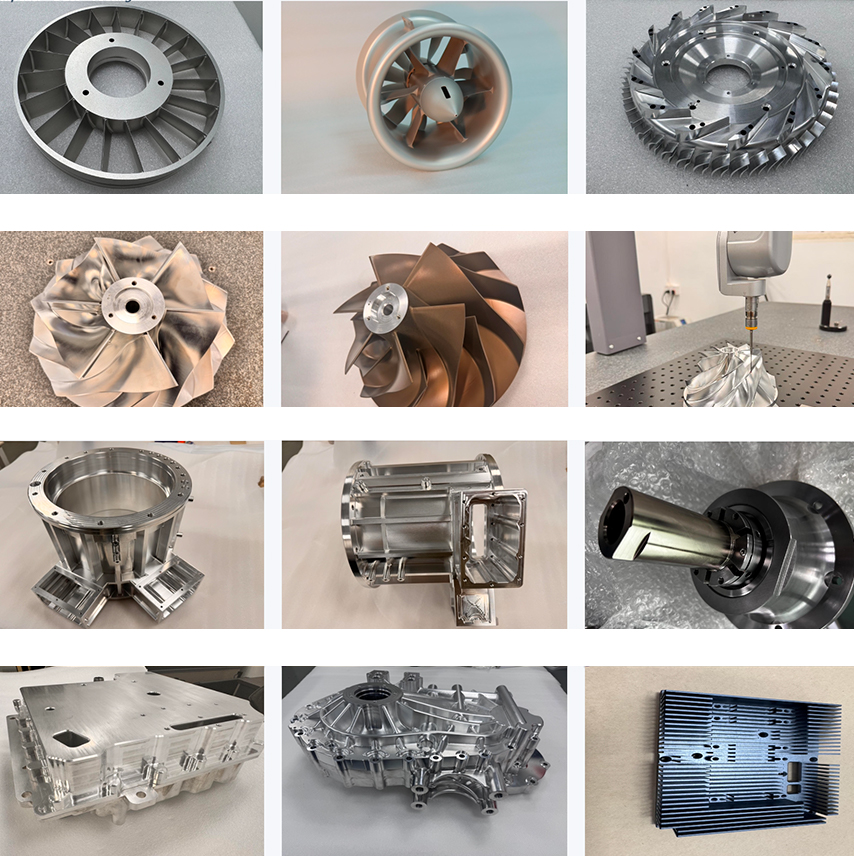
A prototype proves a question; production proves a process. Move between them by converting design learning into a controlled revision, production-intent manufacturing route, approved first article and repeatable quality plan.
Scale the evidence before you scale the quantity.
At Mockup, the path from prototype to production is treated as a sequence of controlled decisions—not a single jump in order size. Define what the prototype must prove, introduce production-intent material and processes where the test depends on them, close design and manufacturing risks, approve a first article, then optimize fixtures, cycle time and inspection without losing the approved result.
A fast concept part can be successful even when its material, process or finish differs from production—if the purpose is only to learn about shape or assembly. The same substitution can invalidate a thermal, fatigue, corrosion, sealing or process-capability test. Every build should therefore state its decision objective and any accepted deviations.
Production readiness is reached when the product definition and manufacturing route are stable enough to repeat, inspect and change deliberately. Mockup uses this distinction to keep early learning fast without allowing prototype shortcuts to become hidden production assumptions.
- 01Define the question each build must answer
- 01Record prototype deviations instead of letting them become hidden assumptions
- 01Validate the production-intent route before investing in optimization
- 01Preserve the approved revision, process and evidence for repeat orders
Give each build a clear purpose and exit condition.
Names such as prototype, pilot and pre-production mean different things across companies. A better framework defines the decision, level of manufacturing intent and evidence required before the next stage begins.
| Stage | Primary question | Manufacturing intent | Evidence to leave the stage |
|---|---|---|---|
| Concept / appearance model | Is the size, shape or user interaction directionally correct? | May use substitute material or process | Documented design learning and next revision |
| Fit / assembly prototype | Do interfaces, clearances and assembly sequence work? | Critical geometry should reflect intended interfaces | Fit results, interference list and resolved stack-up risks |
| Functional prototype | Does the part perform under relevant load, motion, heat or environment? | Material and critical features become production-intent where function depends on them | Test result linked to exact revision and deviations |
| Engineering validation build | Does the released design meet requirements through a representative route? | Production-intent material, finish, process and inspection for controlled features | Closed DFM actions and approved design evidence |
| First article / pilot | Can the planned process repeatedly make and verify the released definition? | Planned production route, tooling, workholding and controls | Approved first article, capability concerns and launch actions |
| Repeat production | Can output remain conforming through volume, time and controlled change? | Stable route with proportionate in-process and final controls | Order history, results, deviations and approved changes |
Build only the fidelity needed to answer the current question.
Prototype speed comes from selective fidelity, not from ignoring requirements. Identify which characteristics control the learning objective, then relax only the attributes that cannot affect that decision. This avoids paying production-level cost for an appearance model while preventing false confidence from a nonrepresentative functional test.
For form and fit, the controlling features may be envelope, interfaces, fastener access and assembly sequence. For function, the material, heat treatment, wall stiffness, surface condition, tolerances or process-induced stress may become essential. A substitute should be documented together with the reason it is acceptable.
Inspection should also match the question. A basic dimensional check may be enough for an early mockup; a validation build may need a ballooned drawing, full results on critical features, material evidence and traceability to the test article.
| Test objective | Usually must be representative | May be simplified if documented |
|---|---|---|
| Assembly fit | Mating geometry, datums, stack-up and fastener interfaces | Non-interfacing cosmetic details |
| Structural load | Material condition, section geometry, critical radii and load path | Color and nonfunctional marking |
| Thermal performance | Material conductivity, contact interfaces, surface treatment and airflow geometry | Unrelated exterior features |
| Sealing / fluid handling | Sealing face, roughness, flatness, material and joining route | Nonwetted cosmetic zones |
| Appearance approval | Alloy/stock route, preparation, finish, color, texture and viewing sample | Internal features not affecting finish response |
Introduce the final material and route before they become expensive to change.
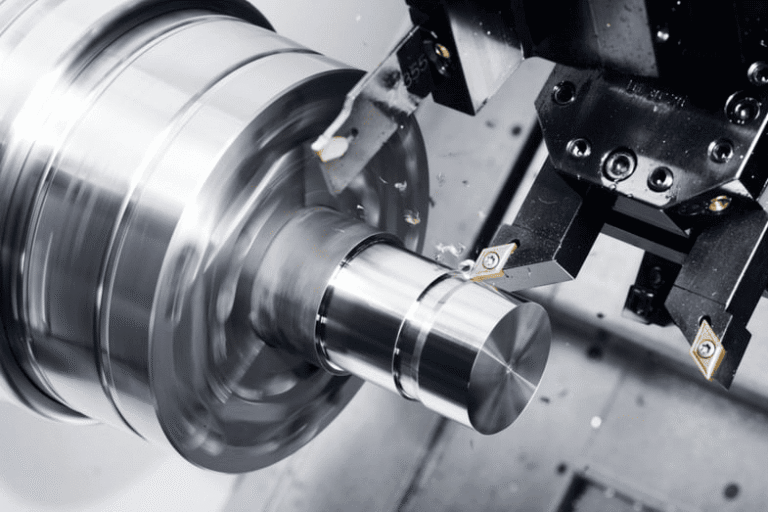
A prototype made by the fastest available process may not reveal how a production route affects tolerances, surface condition, residual stress, tooling access, assembly or cost. Before design validation, decide which material, manufacturing and finishing choices must be representative of repeat production.
Production intent does not always mean full production tooling. Bridge tooling, soft fixtures, low-cavity molds or flexible CNC workholding may reproduce the critical material and process behavior while preserving room to learn. The correct investment depends on design stability, forecast, change risk and the cost of delay.
Plan the complete route—not only the primary operation. Heat treatment, finishing, marking, cleaning, assembly and packaging can change dimensions or create failure modes that are absent in an unfinished prototype.
- 04Confirm grade, temper, stock form and required material records
- 04Include the intended finish and secondary operations in validation
- 04Review whether prototype workholding represents critical production datums
- 04Identify partner processes and final reinspection responsibilities
Turn recommendations into approved, traceable decisions.
DFM is complete only when each material risk has an owner and disposition. Suggestions that remain in email threads do not control production. Geometry, tolerance, datum, process, inspection and cosmetic decisions should be resolved against one released model and drawing.
Separate critical-to-function requirements from general preferences. Tight tolerances, small radii, deep features, thin walls and cosmetic controls can all be valid, but each should protect a known outcome. Requirements without a functional reason create cost and inspection burden without improving the product.
If the design cannot change, record the accepted manufacturing consequence. If a supplier proposes a change, customer written agreement plus the required engineering and quality approval should precede production release.
| Topic | Question to close | Controlled output |
|---|---|---|
| Geometry | Can the feature be accessed, held and deburred? | Released model and feature notes |
| Tolerance / GD&T | Which relationships protect function and how are they measured? | Controlled drawing and inspection method |
| Material | Are grade, condition, stock form and substitutions defined? | Material specification and approved alternatives |
| Finish | Are buildup, masking and cosmetic zones resolved? | Finish callout and approved sample where required |
| Assembly | Are interfaces, hardware, joining and sequence validated? | Assembly requirements and acceptance checks |
| Documentation | Which reports and certificates must ship? | Order-linked quality plan |
Freeze a build definition without freezing future learning.
A production release needs a clear hierarchy of model, drawing, specifications and approved deviations. Every quote, purchase order, program, fixture, inspection report and shipment should point back to the active revision so an obsolete file cannot quietly return on a repeat order.
A practical release package identifies part number, revision, material, finish, quantities, critical characteristics, applicable standards and required records. File names help people navigate, but the controlled revision must also be visible inside the model or drawing system and on commercial documents.
Design changes after first article approval are normal. The control is to evaluate their effect on tooling, programs, stock, work in process, inspection, certifications and already-delivered assemblies before implementation.
- 06Issue one authoritative release package
- 06Identify superseded files and disposition existing inventory
- 06Link approved deviations to affected quantity and revision
- 06Repeat the first-article scope when a change can affect prior approval
Approve the product and the planned way of making it.
In Mockup’s production workflow, a first article is more than a sample from the beginning of a batch. It verifies that the released definition, material, planned process, tooling, workholding, finishing and inspection route can produce an acceptable part before repeat output proceeds.
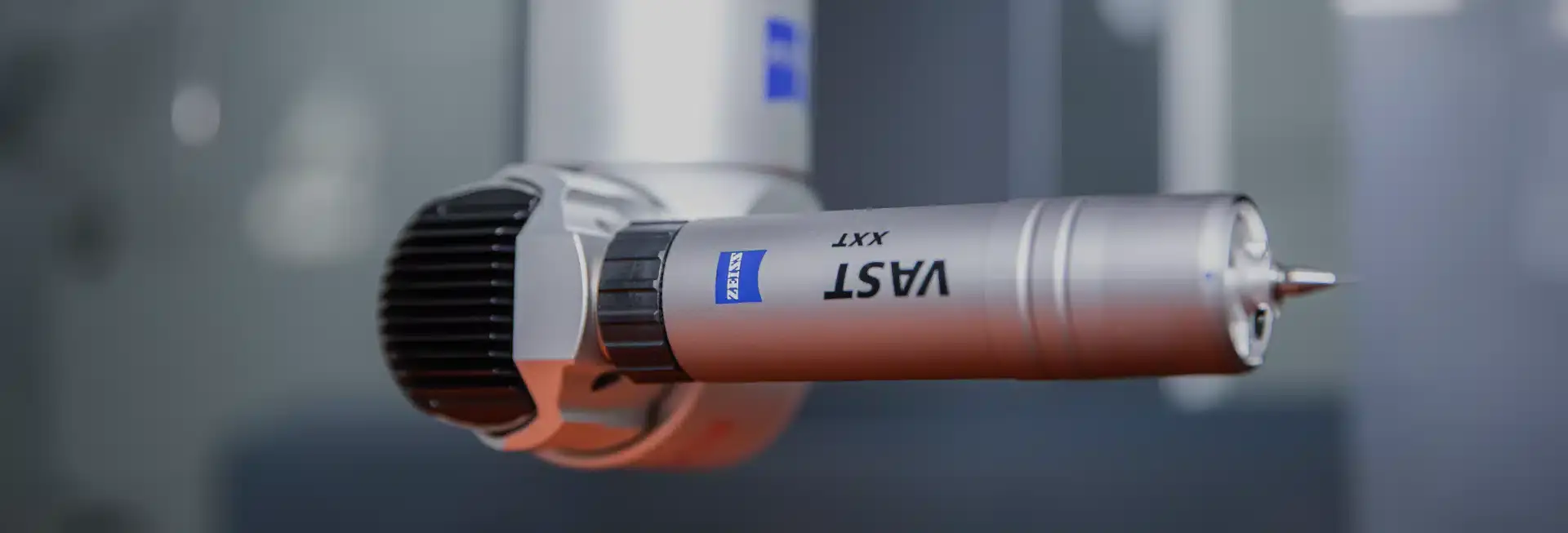
The inspection scope should follow drawing characteristics and project risk. Required first articles in the current Mockup workflow receive full-dimensional CMM inspection and customer release before repeat production. AS9102-format support is reviewed by project and does not imply AS9100 certification.
Approval should identify the exact revision, process assumptions and any temporary deviation. A conforming part made through a one-off rescue method does not prove that the planned repeat process is ready.
| Evidence | What it confirms | Typical disposition |
|---|---|---|
| Released model and drawing | Correct configuration was used | Match / correct release |
| Material and finish records | Required inputs and special processes are traceable | Accept / investigate discrepancy |
| Dimensional results | Features meet stated requirements through the selected method | Approve / rework / concession / reject |
| Visual and cosmetic review | Appearance zones and samples are met | Approve master / correct process |
| Process notes | Planned setup, tooling and route produced the result | Release / revise controls |
| Customer approval | Authorized decision to proceed | Repeat production or hold |
Optimize after the correct route is stable.
As quantity grows, dedicated fixtures, multi-part workholding, optimized programs, tool-life controls, automation and batch planning can reduce unit cost and improve consistency. Introducing them before design and process stability can lock in the wrong assumptions and multiply rework.
The economic decision should use forecasted demand, lot size, setup frequency, expected design change and cost of failure—not only the immediate piece price. A fixture that improves locating and inspection access may be valuable before a cycle-time-only investment.
Pilot production is the place to test realistic staffing, material flow, in-process checks, finishing capacity, packaging and records. Bottlenecks often appear outside the primary machine once the order moves as a complete system.
| Investment | Introduce when | Risk if introduced too early |
|---|---|---|
| Dedicated fixture | Datums and geometry are stable; repeat setup matters | Costly rework after design change |
| Multi-part workholding | Process is capable and demand supports larger batches | More scrap per error and reduced access |
| Custom tooling | Cycle or feature control justifies it | Tool becomes obsolete with revision |
| Automated handling | Stable takt, orientation and quality gates are known | Automation repeats an unstable process faster |
| Larger material commitment | Forecast, grade and revision are controlled | Obsolete or nonconforming inventory |
Move from checking every unknown to controlling known risks.
Mockup uses early builds to learn where product and process risk actually sits, then carries that evidence into repeat production controls for incoming material, setup, critical features, in-process signals, finishing and final acceptance.
Sampling versus full inspection is agreed from drawing characteristics and project risk. Dimensional or CMM reports, material certificates, certificates of conformance and finish certificates can be specified during Mockup’s engineering review; they are not automatic for every order.
A useful control plan states what is checked, by whom, with which method, at what frequency and what happens when the result is outside the limit. Measurement range, uncertainty, access and calibration status must suit the decision—not merely the feature size.
| Control point | Prototype / validation emphasis | Repeat-production emphasis |
|---|---|---|
| Incoming material | Confirm intended grade and condition for testing | Lot identity, supplier evidence and approved substitutions |
| Setup / launch | Broad confirmation of geometry and assumptions | First-off approval, offsets and controlled setup record |
| In-process | Learn where variation appears | Monitor critical features and process signals |
| Final inspection | Document validation article comprehensively | Apply agreed sampling or full inspection by risk |
| Nonconformance | Understand root cause and design/process implication | Contain, disposition, correct and protect repeat orders |
Production stability does not mean “never change.”
Materials become unavailable, equipment changes, suppliers improve routes and design teams release updates. A stable production system evaluates each change against fit, function, compliance, tooling, inspection and inventory before implementation, then records the approved result.
Critical or functional deviations require customer written concession; otherwise affected parts are reworked or rejected. DFM changes require customer written agreement and the applicable engineering and quality approval. This prevents informal substitutions from becoming the new standard through repetition.
Repeat-order review should verify revision, quantity, material, finish, quality requirements and prior lessons before release. Historical success is evidence, not permission to skip configuration review.
- 10Classify product, process, material, supplier and inspection changes
- 10Assess affected stock, work in process, delivered parts and documentation
- 10Define whether revalidation or a new first article is required
- 10Update programs, fixtures, control plans and inspection records together
Production readiness can be reviewed in ten questions.
A “yes” to the following questions does not guarantee a risk-free launch, but a “no” identifies where scale-up is still relying on assumption rather than control.
- 11Is the build objective and exit evidence defined?
- 11Are production-intent material, process and finish used where performance depends on them?
- 11Are model, drawing, specifications and part revision aligned?
- 11Are critical characteristics tied to function and measurable acceptance methods?
- 11Are DFM actions closed or formally accepted?
- 11Has the complete route—including secondary processing and packaging—been validated?
- 11Has a representative first article been inspected and approved?
- 11Are fixture, tooling and automation investments justified by stable demand and design?
- 11Does the control plan define checks, frequency, reaction and required records?
- 11Are supplier, material, process and design changes subject to documented approval?
Keep engineering learning connected through repeat orders.
Mockup’s controlled workflow covers RFQ and CAD intake, DFM, formal quotation, purchase order, launch and programming, first article and inspection, customer release, repeat production with in-process and final control, shipment with agreed records and repeat-order revision review.
Complete straightforward sample or routine aluminum RFQs are normally quoted within 12 hours; complex five-axis, precision-tolerance, multi-process or new-material RFQs are normally quoted within 24 hours after required information is complete. Manufacturing lead time is then confirmed from geometry, material, quantity, setup, finishing, documentation and inspection.
Send a STEP, IGES or Parasolid model plus a controlled PDF drawing, quantity forecast, current build stage and the decision the next parts must support. Mutual general or project-specific NDAs can be signed before core confidential 3D files are transferred.
Guidance connected to real manufacturing decisions.
Mockup helps product teams move from CAD review and DFM through manufacturing, inspection and repeat production. Our engineering guides translate that operating experience into practical decisions you can apply before requesting a quote.
Questions from engineering teams.
What is the difference between a prototype and a production-intent prototype?+
A prototype is defined by the question it must answer. A production-intent prototype uses the final or representative material, process, finish and controls wherever those choices can affect the test result or production risk.
Should every prototype use the final production material?+
No. Use production-intent material when mechanical, thermal, chemical, finishing, fatigue or regulatory behavior affects the decision. A substitute can be appropriate for geometry or assembly learning when the deviation is documented.
When should dedicated fixtures be introduced?+
Introduce dedicated fixtures when datums and geometry are stable enough that better setup time, repeatability, capacity or inspection access will repay the investment across expected demand and change risk.
What is a first article supposed to prove?+
A first article verifies that the released design and planned manufacturing and inspection route can produce an acceptable part. It should identify the exact revision, material, process, tooling, finish and evidence being approved.
Does first-article approval mean the process is fully capable?+
Not by itself. A conforming first article is an important release gate, but repeatability must also be supported by pilot or production evidence, controlled setups, in-process checks and change management.
How does inspection change from prototype to production?+
Prototype inspection is often broad and learning-focused. Production inspection should use first-article and pilot evidence to focus controls on incoming inputs, setup, critical features, process signals and final acceptance at an agreed frequency.
When is a new first article required after a change?+
Repeat first-article review when a design, material, supplier, process, tool, fixture, location or inspection change can affect the previously approved result. The exact scope should match the change and project requirements.
What should I send to plan the next build stage?+
Send the current STEP or Parasolid model, controlled PDF drawing, quantity and forecast, material and finish, previous test results, known deviations and the decision the next build must support.