
Material-pairing review
Screen rigid substrates and soft-touch resins for chemical adhesion, processing windows, hardness and environmental exposure.
EXPLOREBond a second material over a molded or preformed substrate to add tactile performance, sealing, impact protection, insulation or integrated functional zones.
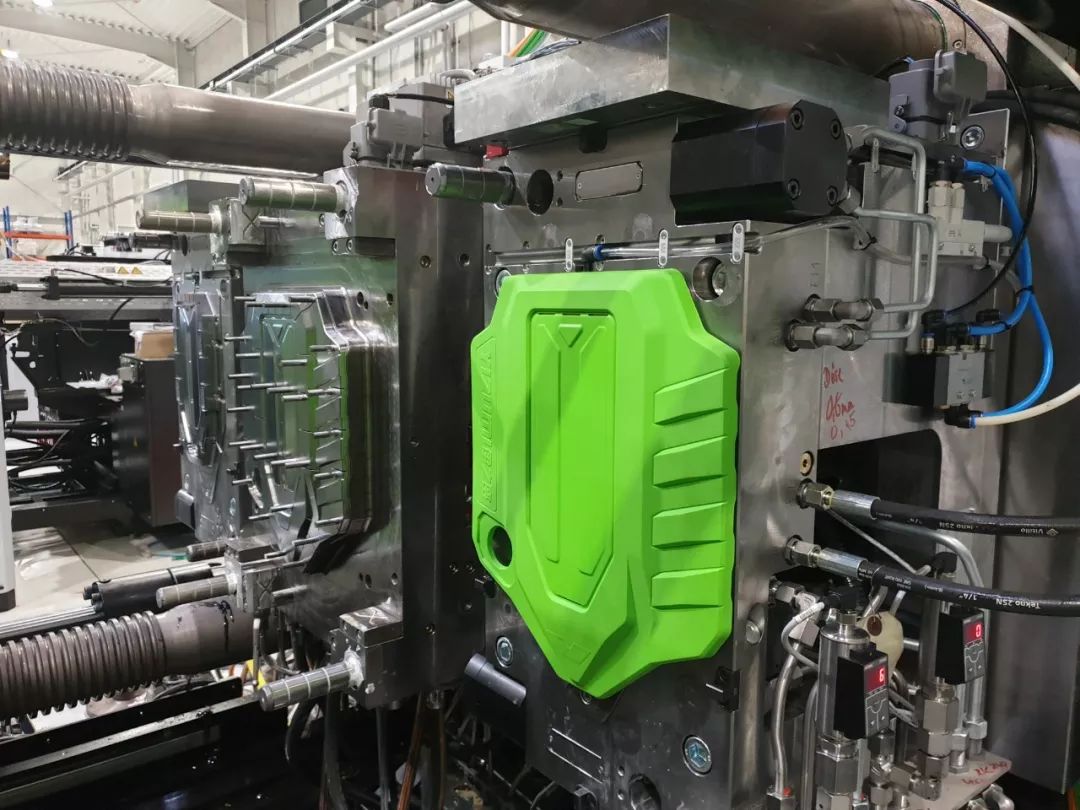
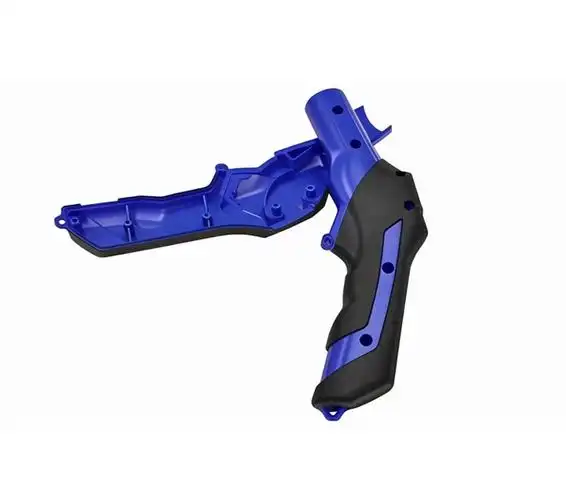
Overmolding adds a second resin over a rigid substrate or first-shot molded component. Reliable performance depends on material compatibility, mechanical interlocks, surface condition, part location, melt temperature, interface thickness and the loads the finished assembly must withstand.
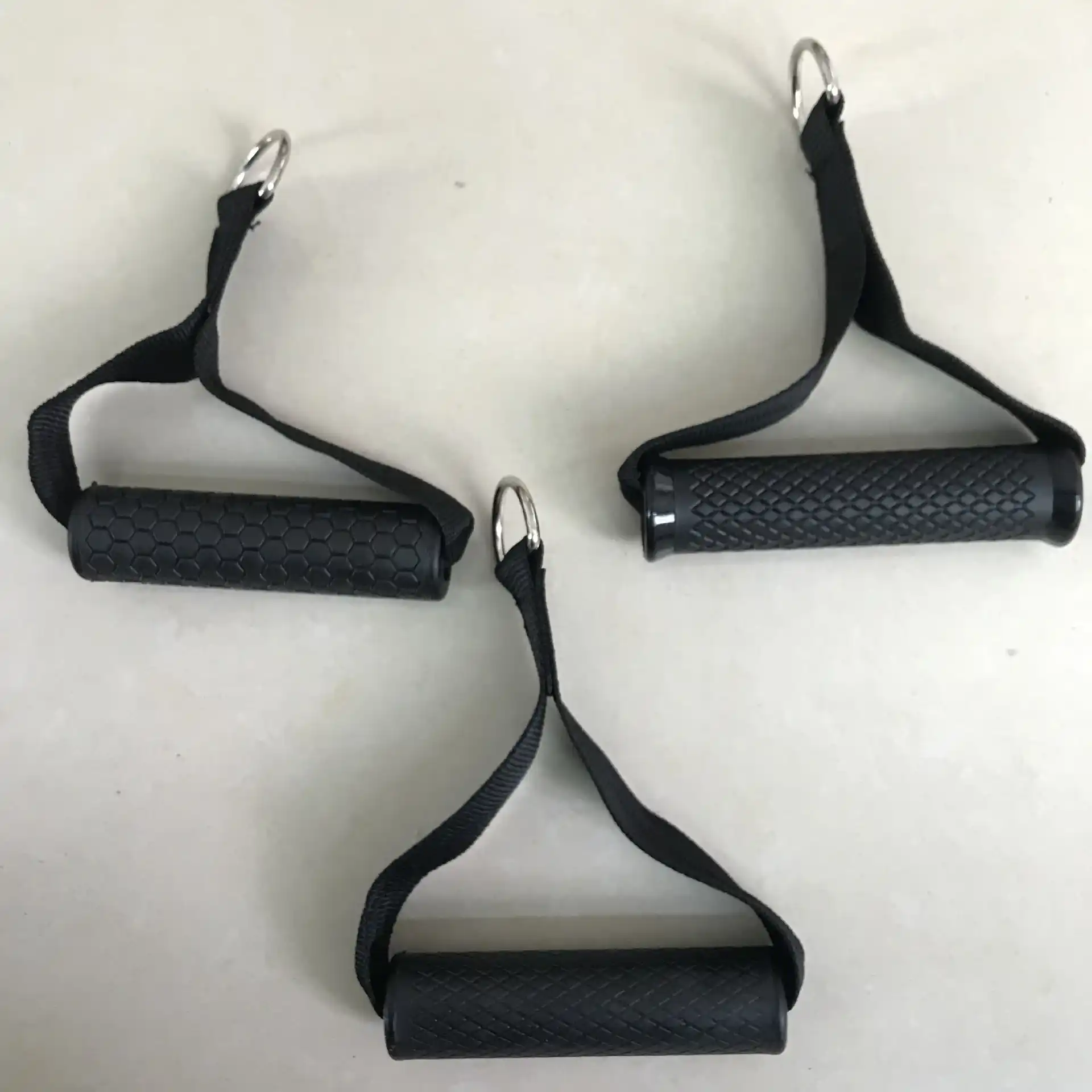
Screen rigid substrates and soft-touch resins for chemical adhesion, processing windows, hardness and environmental exposure.
EXPLOREDevelop practical transitions, interlocks, gates, vents and support features that control flash and protect the first component.
EXPLORECompare transfer overmolding, two-shot molding and manually loaded substrates against volume, risk, capital and product roadmap.
EXPLOREPlan peel, pull, compression, leak, wear, aging and cosmetic checks around the finished product requirements.
EXPLORE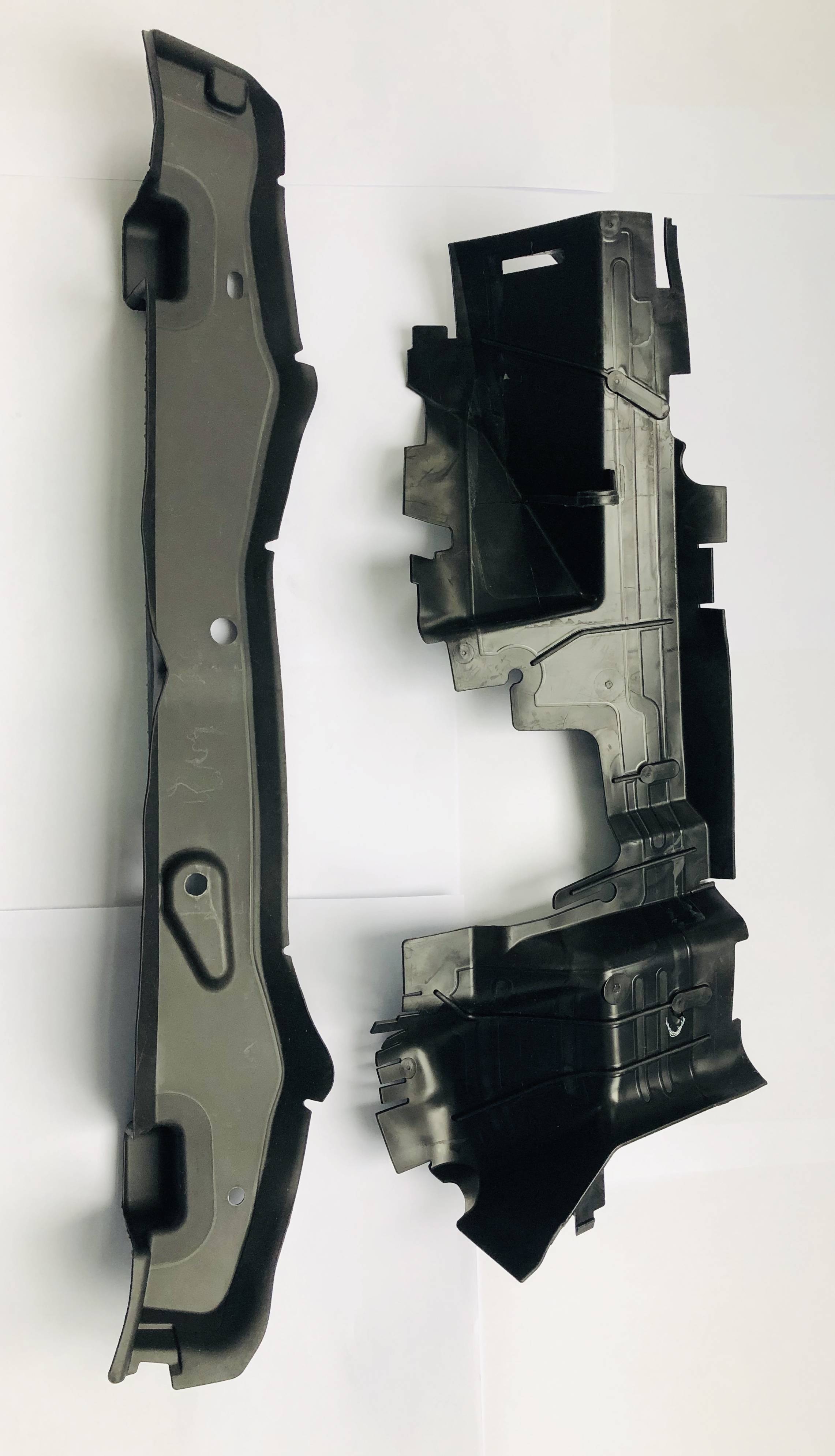
Add controlled texture, comfort and slip resistance to handles, controls and handheld products.
Integrate flexible sealing zones where geometry, compression and material behavior can be validated together.
Place energy-absorbing material around edges, contact zones or vulnerable housings.
Cover selected conductive, sharp or sensitive features while leaving required interfaces accessible.
Create distinct colors, textures and tactile cues without a separate bonded pad or sleeve.
Support flexing cable exits and protect connections through a controlled soft-to-rigid transition.
Explore common starting points. Final grade selection is confirmed against geometry, environment, compliance and the intended production process.
A broad family used for grips, flexible zones, bumpers and seals across many consumer and industrial products.
Separate tools and molding cycles provide flexibility in material, location and production planning. Fixtures and datum features control how the first component sits in the overmold cavity.
Best fitPrototypes, bridge production, lower-to-medium volumes and larger parts with straightforward transfer handling.
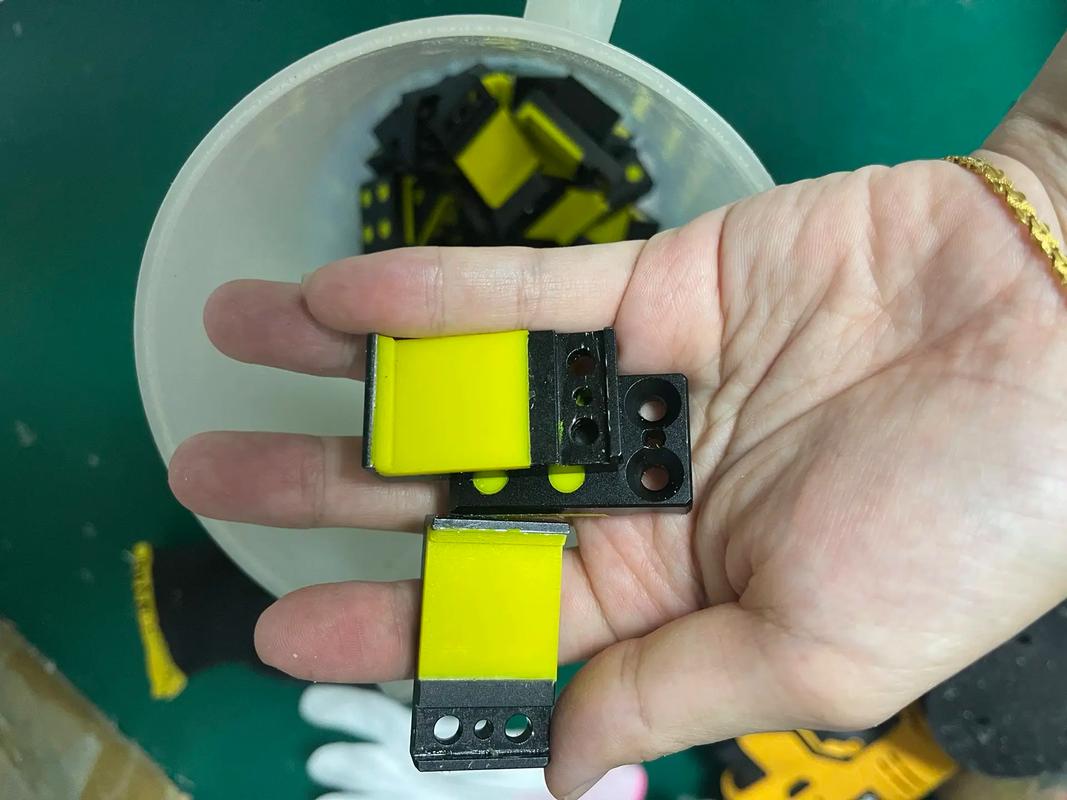
Review chemical adhesion, melt temperatures, hardness, shrink and environmental exposure for both materials.
Use holes, channels, ribs and undercuts when geometry must supplement or replace chemical bonding.
Control thin transitions, edge conditions and local mass to reduce short shots, sink, flash and inconsistent feel.
Support and locate the first component so injection pressure does not shift, deform or damage it.
Design robust steel conditions at every overmold boundary and keep cosmetic transitions realistic.
Define peel, pull, compression, leak, environmental or cosmetic checks around the actual application risk.
Confirm substrate, overmold material, use environment, functional zones and acceptance criteria.
Review adhesion strategy, interlocks, shutoffs, gates, vents, thickness and substrate support.
Build the mold and sample the intended material combination under controlled conditions.
Assess bonding, dimensions, appearance and project-specific functional requirements.
Control substrate revision, surface condition, material lots, process window and inspection plan.
Inspection is planned around the interface and the failure modes that matter—not added as a generic checklist after sampling.
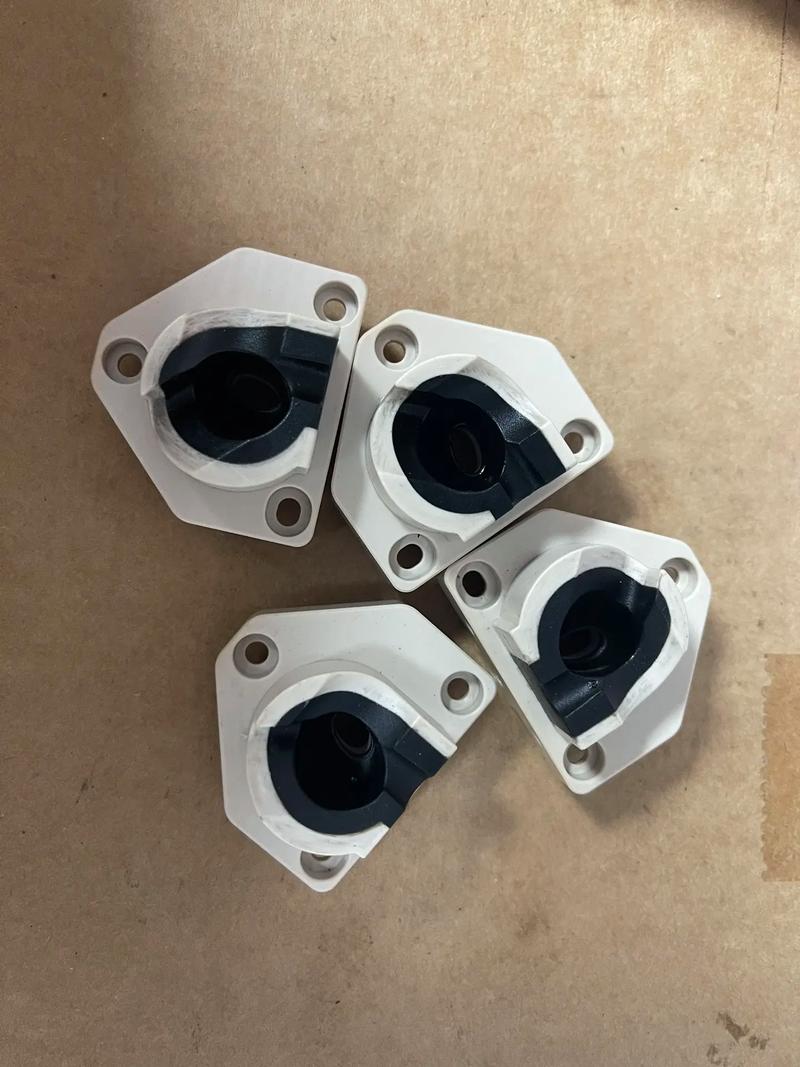
Peel, pull or torque methods are defined around the geometry and service loads of the actual part.
Leak, compression-set or force-displacement testing validates functional sealing zones where required.
Samples and inspection criteria establish acceptable flash, color, texture and transition conditions.
Thermal cycling, fluids, UV, aging or wear testing can be included when those exposures drive risk.
Insert molding typically molds resin around a separate insert such as metal hardware or a contact. Overmolding adds a second resin over a substrate or first molded component; some projects combine both approaches.
No. Adhesion depends on the exact material grades and processing conditions. Mechanical interlocks may be required where chemical bonding is limited or risk is high.
Hardness is selected from grip, sealing, deformation, wear and user-experience requirements. Geometry and thickness also influence the perceived result.
The method should reflect the application and may include peel, pull, torque, compression, leak, thermal cycling or other project-specific testing.
No. Two-shot tooling can improve cycle efficiency at scale, while transfer overmolding offers lower complexity and more flexibility. The right route depends on volume, geometry and business case.
There is no universal thickness. Flow length, hardness, tactile target, sealing compression, ribbing and local transitions are reviewed together during DFM.
Share the model, drawing, materials, expected quantity and functional requirements. Engineering will identify the decisions needed before tooling release.
Attach at least one CAD file or drawing for review in context.