
Alignment-Critical Machining
Control lens seats, bores, mounting faces, hole patterns and datums that establish optical position.
Mockup manufactures mechanical components for optical, imaging, laser and photonics systems. CNC machining, finishing and assembly are coordinated around optical alignment, positioning accuracy, structural stability and surface requirements.
Send your CAD, drawings, optical interfaces and critical datums for manufacturing and engineering review.
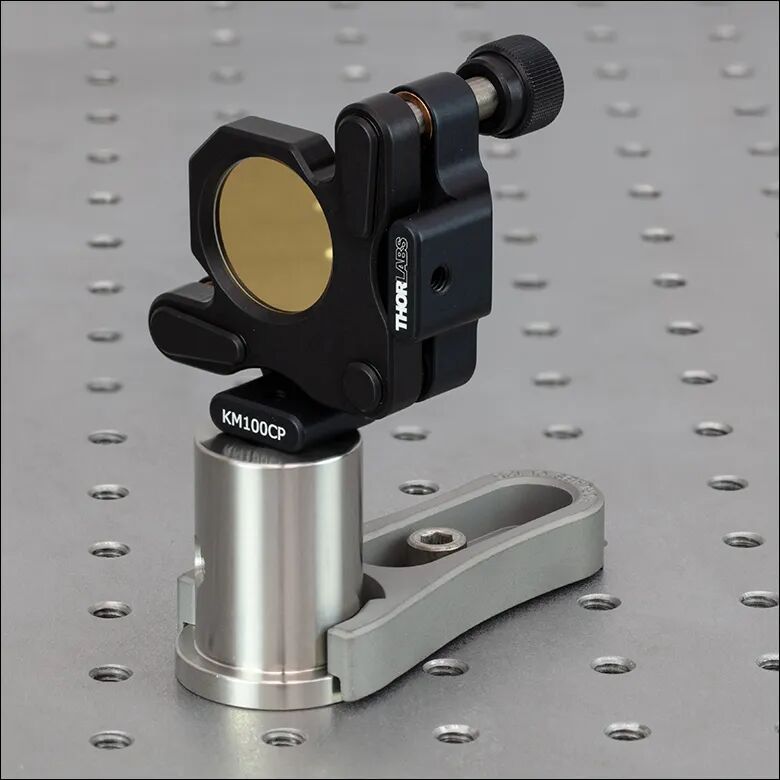
Optical performance often depends on the mechanical structure holding the optics. Lens position, sensor alignment, mounting stability and thermal movement can influence the final system.
Mockup manufactures the mechanical hardware around these relationships, connecting machining, finishing and inspection from prototype through production.
Control lens seats, bores, mounting faces, hole patterns and datums that establish optical position.
Multi-axis CNC supports compact housings, optical benches and mounts with features distributed across multiple orientations.
Coordinate material selection and machining strategy around stiffness, weight and dimensional stability.
Plan black anodizing, hard anodizing, electroless nickel and other finishes around optical and precision interfaces.
Carry approved datums, materials, revisions and inspection requirements from optical prototypes into repeat builds.
Combine precision machining, sheet metal, finishing, hardware installation and mechanical assembly through one project workflow.
Optical systems rely on mechanical components to position lenses, mirrors, cameras, sensors, lasers and other optical elements relative to one another.
Mockup supports prototype and production hardware for imaging, laser, metrology and photonics systems using production-intent materials.
Start an optics manufacturing project ↗Select the manufacturing route around optical position, datum relationships, material stability and production stage.
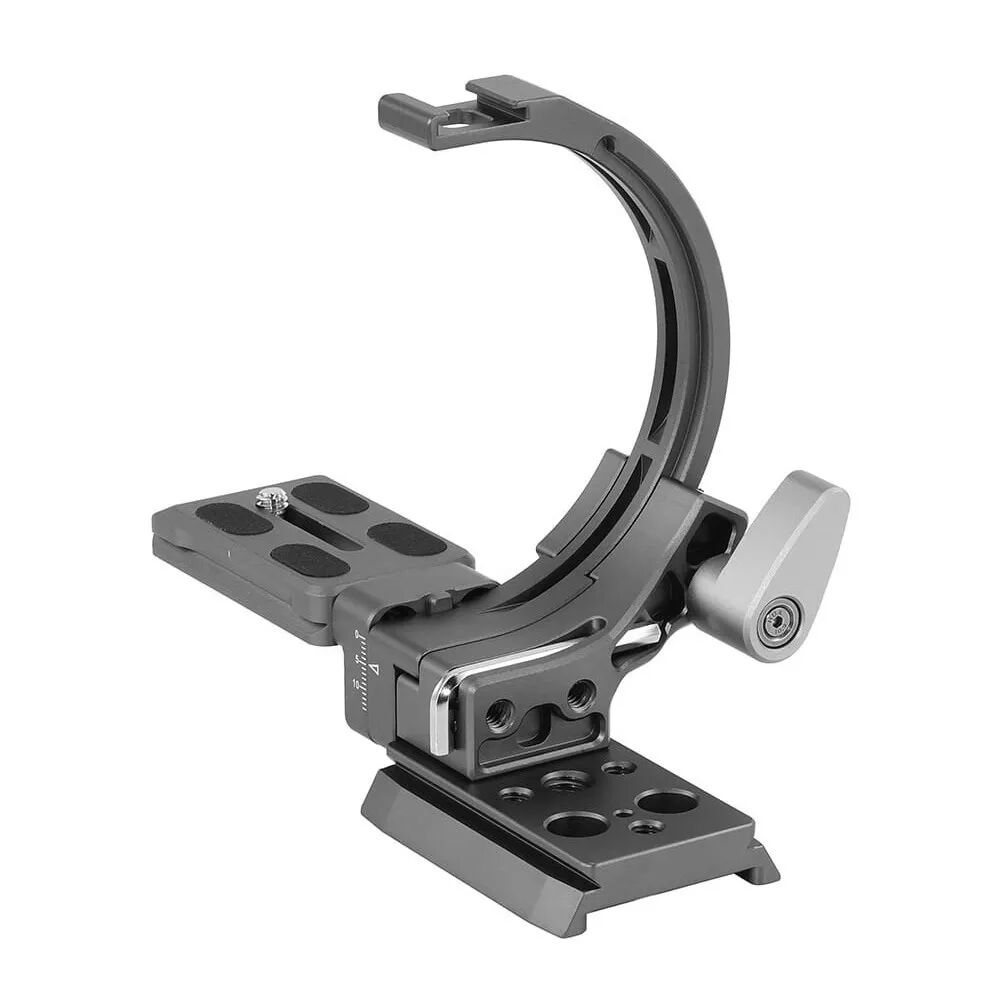
For optical housings, mounts and structures with critical features distributed across multiple faces or orientations.
Explore service↗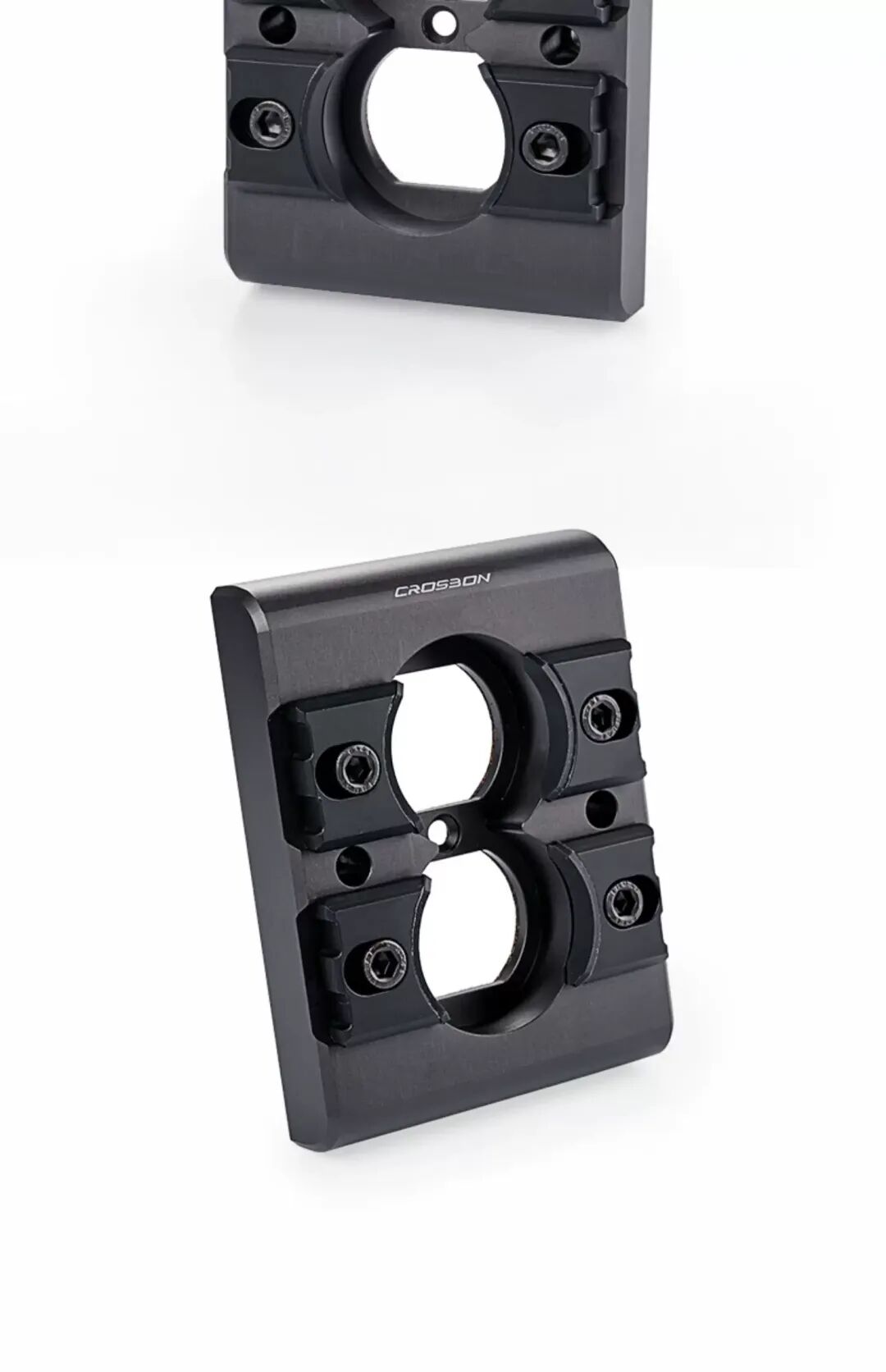
For optical benches, base plates, brackets, sensor mounts and structural components requiring controlled datum relationships.
Explore service↗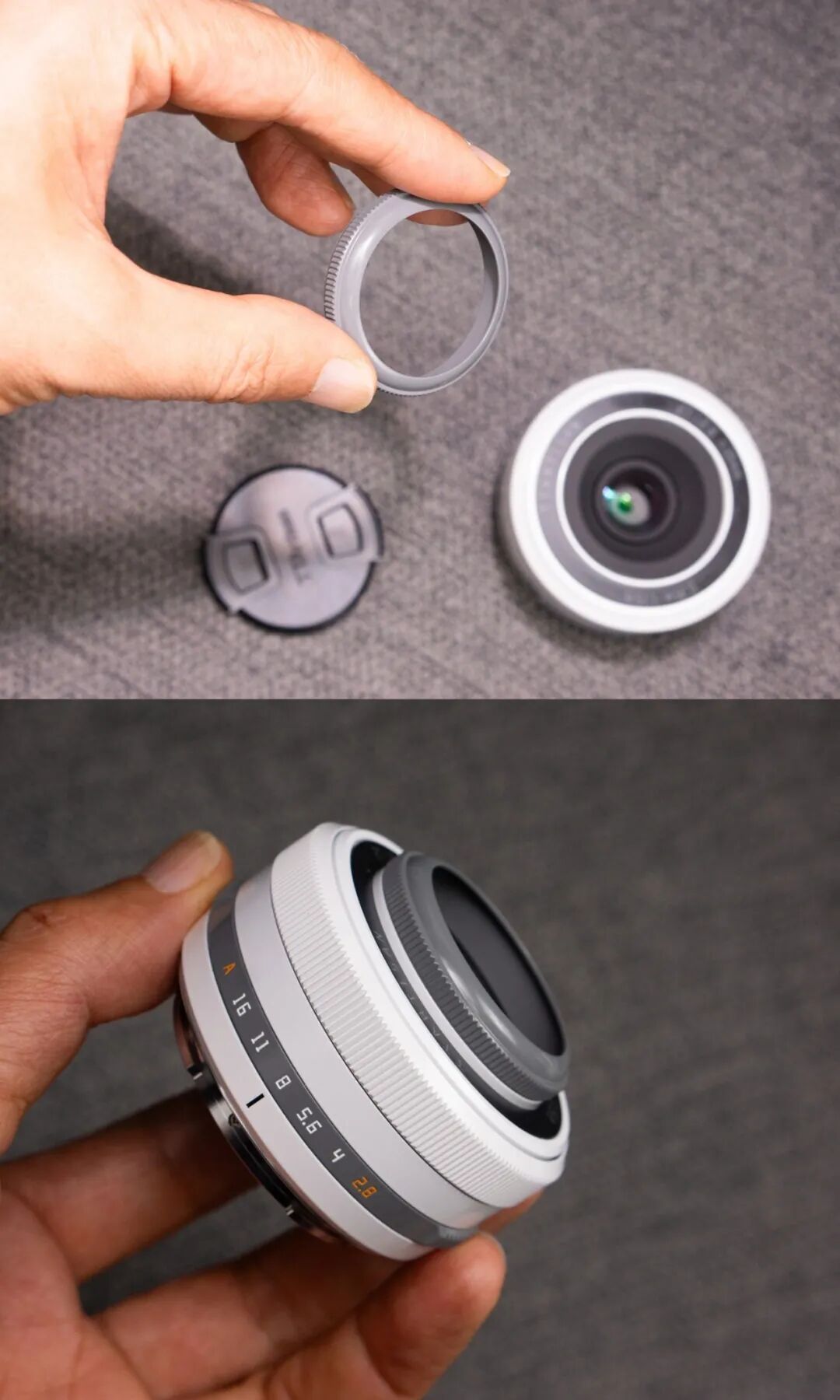
For lens barrels, cylindrical housings, retaining components and rotationally symmetric parts requiring concentric geometry.
Explore service↗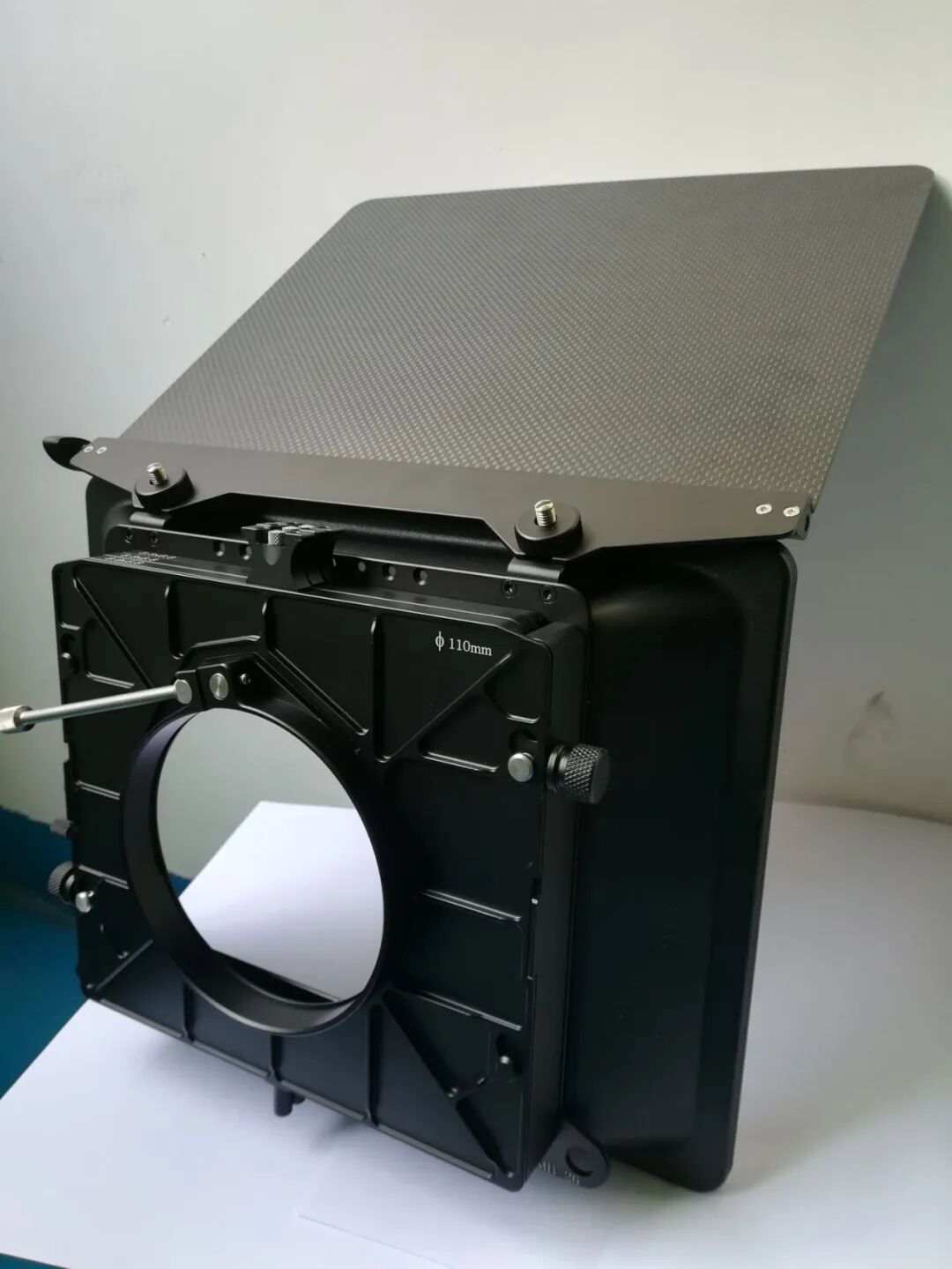
For lightweight camera, sensor and optical housings where stiffness and distortion need to be balanced.
Explore service↗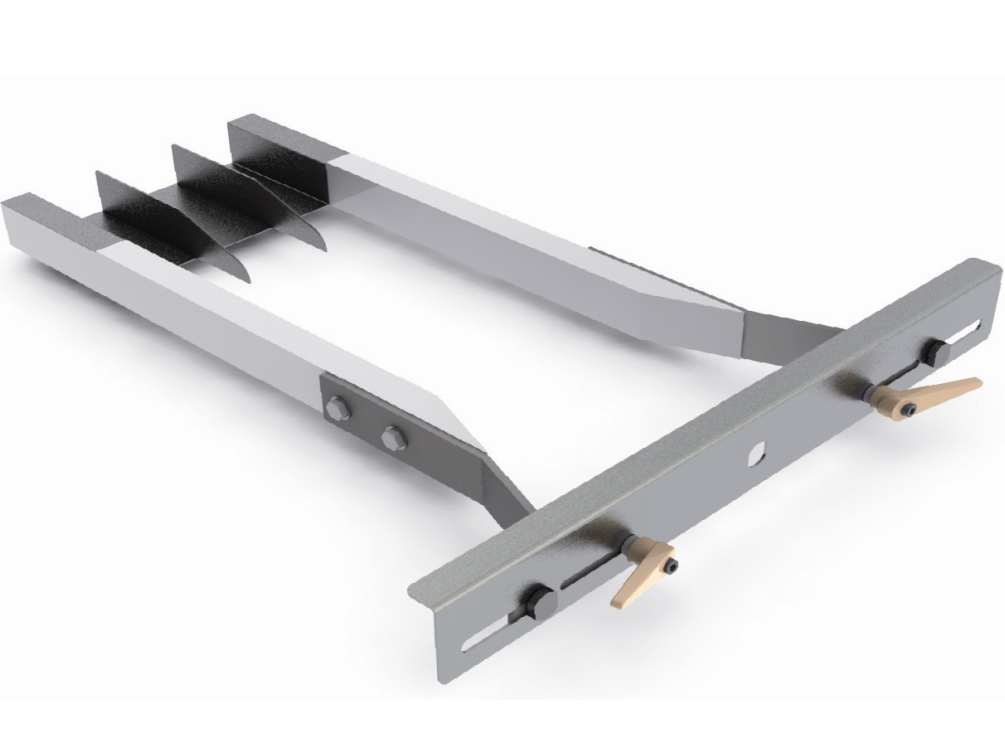
For equipment covers, electronics enclosures, optical-system frames and supporting structures.
Explore service↗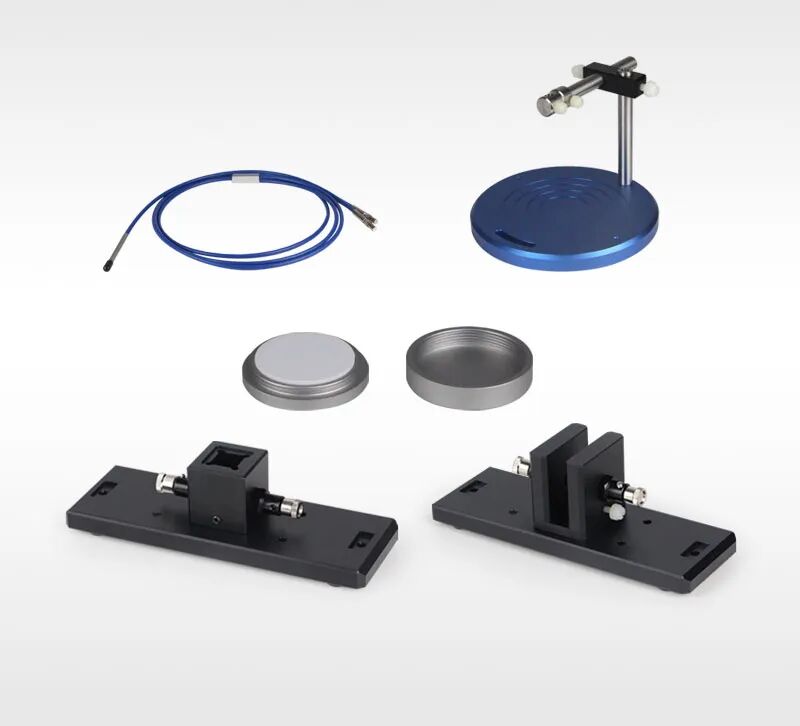
Combine machined components, inserts, hardware and specified purchased parts into optical mechanical subassemblies.
Explore service↗Select materials around stiffness, weight, thermal behavior and stability; coordinate finishes around protection, reflection and critical interfaces.
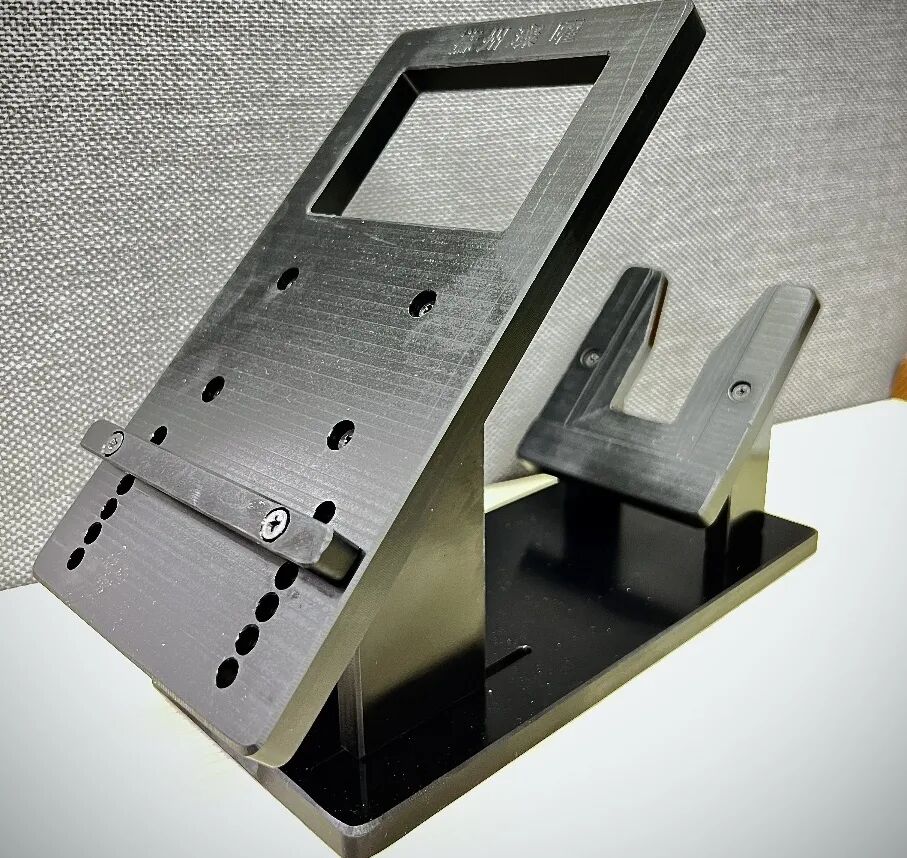
Aluminum 6061 and 7075, Stainless Steel 304 and 316, Titanium Grade 5, copper, PEEK and POM / Delrin.
View All Materials ↗
Black anodizing, hard anodizing, electroless nickel, passivation, black oxide, bead blasting, painting and polishing.
View All Surface Finishes ↗Development route: Concept → Functional Prototype → System Verification → Pilot Build → Repeat Production.
Produce mounts, brackets and housings for optical layout and packaging evaluation.
Use production-intent materials to test alignment, adjustment range, stiffness and assembly.
Control optical datums and mechanical interfaces while verifying the assembled system.
Establish repeatable machining, finishing, assembly and inspection methods.
Carry approved drawings, datums and inspection requirements into subsequent releases.
Optical performance depends on how mechanical features hold position relative to one another before and after finishing and assembly.
Lens seats, bores, sensor interfaces and mounting datums need controlled relationships so optical elements can be positioned correctly.
Lens barrels may depend on concentricity between multiple diameters, shoulders and optical seats.
Mechanical references and optical-position features need to remain connected through manufacturing and inspection.
Lightweight housings can move during machining or finishing, affecting alignment-sensitive features.
Material selection and structural design can influence dimensional movement as temperature changes.
Internal optical-path surfaces may require dark finishes while critical seats and interfaces remain masked.
CMM, optical measurement and conventional precision inspection equipment can be selected according to the component and drawing. Inspection reports, FAI, material records and CoC can be supplied where agreed.
CMM, optical measurement and conventional precision inspection equipment can be selected according to the component and drawing. Inspection reports, FAI, material records and CoC can be supplied where agreed.
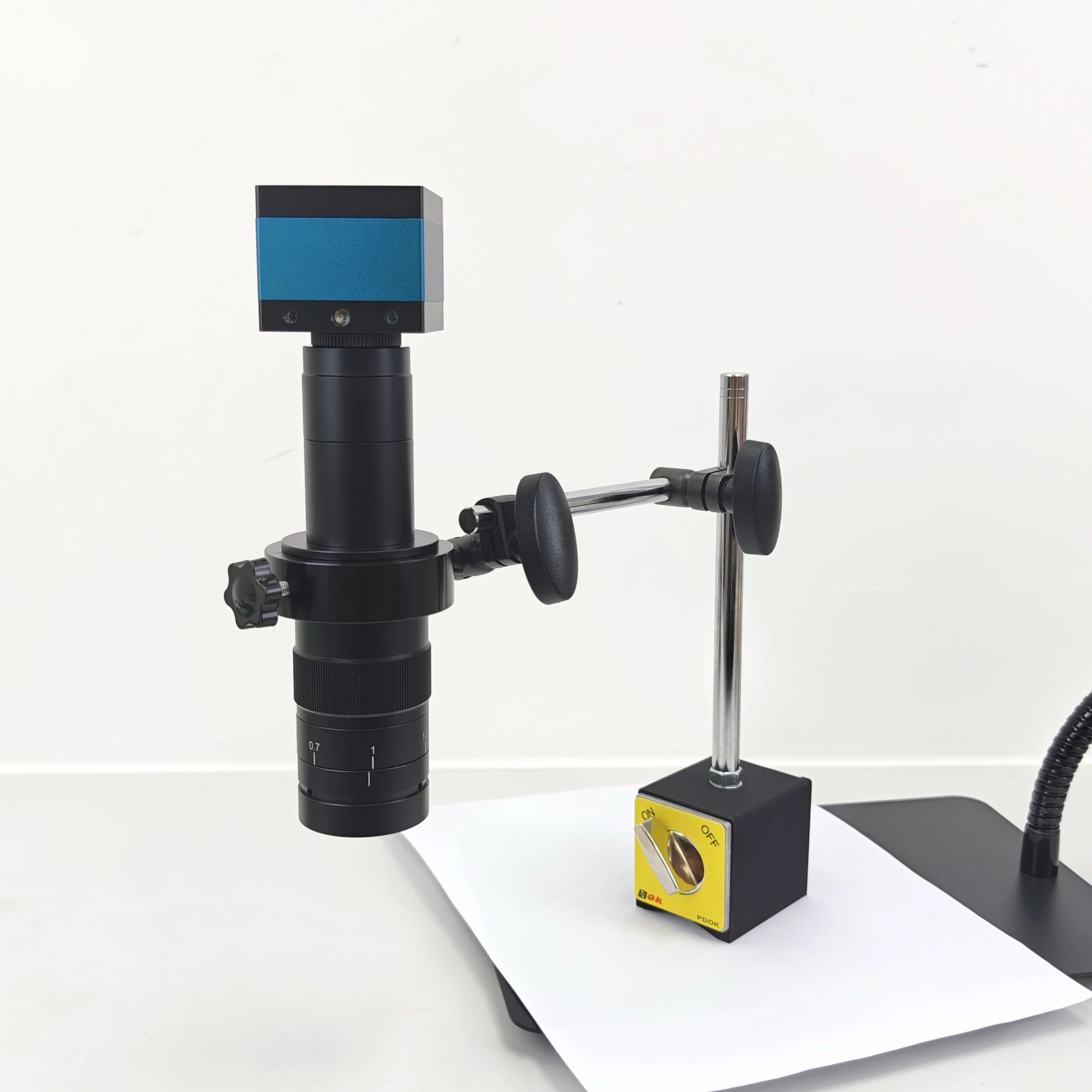
Yes. Mockup manufactures lens mounts, mirror mounts, optical housings, camera components and positioning hardware according to customer drawings.
Yes. CNC turning and milling can be combined for lens barrels requiring concentric bores, shoulders, threads and mounting features.
Aluminum 6061 and 7075 are common for lightweight optical structures. Stainless steel, titanium, copper and engineering plastics can also be used.
Yes. Black anodizing and other finishes can be coordinated with machining. Critical seats, threads or precision interfaces can be masked where required.
Yes. Camera housings, lens mounts, sensor brackets, base plates and related mechanical components can be manufactured.
Yes. Production-intent materials, controlled drawings, datum strategies and inspection requirements can move into pilot and repeat production.
Share your optical assembly, mechanical drawings, critical datums and production stage. Mockup will review machining, materials, finishing and inspection requirements.