
Corrosion resistance with structural performance.
Stainless steel combines useful strength, temperature capability and a naturally protective chromium-rich oxide layer. It is widely selected for precision hardware, fluid-handling parts, equipment and assemblies that need durability beyond aluminum or carbon steel. Grade, product form, surface condition and the actual service environment still control suitability.
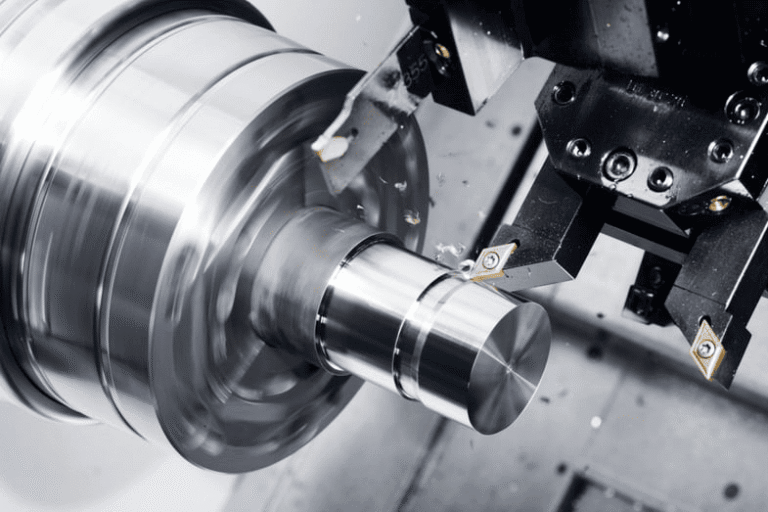
- 01Corrosion-resistant hardware for industrial and controlled environments
- 01Useful strength and wear performance for compact components
- 01Machined, formed and welded production routes
- 01Passivated, electropolished, brushed, polished or used as machined
The versatile general-purpose stainless benchmark.
304 is the common starting point for corrosion-resistant machined and fabricated parts in general industrial, food-equipment and laboratory environments. It balances availability, formability, weldability and cost, but chloride exposure and aggressive cleaning chemistry may justify 316L or another alloy family.

- 02Reference yield strength: approximately 215 MPa in annealed condition
- 02Reference density: approximately 7.9 g/cm³
- 02Common uses: enclosures, brackets, fittings, fasteners and equipment parts
- 02Broad sheet, plate, bar and tube availability
- 02Good general corrosion resistance when the environment is suitable
- 02Passivation requirements should be stated with the order
Improved pitting resistance for more demanding exposure.
316L adds molybdenum for improved resistance to pitting and crevice corrosion in many chloride-bearing environments. Its controlled low-carbon designation helps reduce sensitization risk in welded fabrication. It is not automatically ‘marine grade,’ ‘medical grade’ or suitable for every chemical service; the governing material standard, fabrication route and application evidence still matter.
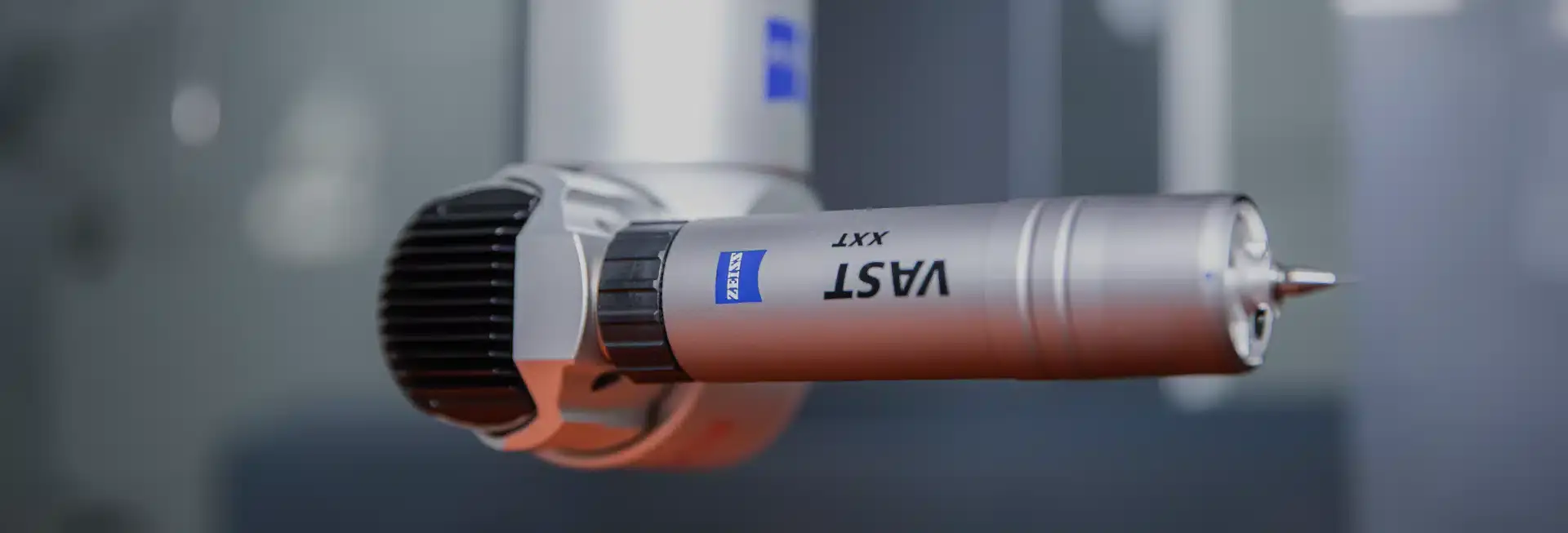
- 03Reference yield strength: approximately 170 MPa in annealed condition
- 03Reference density: approximately 8.0 g/cm³
- 03Common uses: fluid-handling, laboratory, process and welded components
- 03Better chloride and pitting resistance than 304 in many environments
- 03The L designation indicates controlled low carbon
- 03Confirm product specification and required certificates during RFQ
Choose the alloy from the environment outward.
Start with corrosion media, concentration, temperature, cleaning cycle, crevices and galvanic contact—then consider strength, welding, machining, availability and documentation. Mockup confirms the exact grade and product specification before release so an apparently similar substitution does not alter corrosion or mechanical performance.
- 04304 — economical general-purpose corrosion resistance
- 04316L — improved chloride and pitting resistance with low carbon
- 04303 — improved machinability, but reduced corrosion performance and weldability
- 0417-4 PH — precipitation-hardened option for higher strength
- 04410 / 420 — hardenable martensitic grades for wear-focused applications
- 04Duplex grades — higher strength and specialized corrosion resistance by review
Control heat and work hardening at the cutting edge.
Austenitic stainless steels retain heat and can work-harden when tools rub instead of cut. Stable workholding, sharp tooling, positive cutting action, suitable coolant and consistent chip load help protect tool life, burr condition, surface finish and dimensional control. Thin walls and long slender features require additional planning because residual stress and cutting forces can move the part.
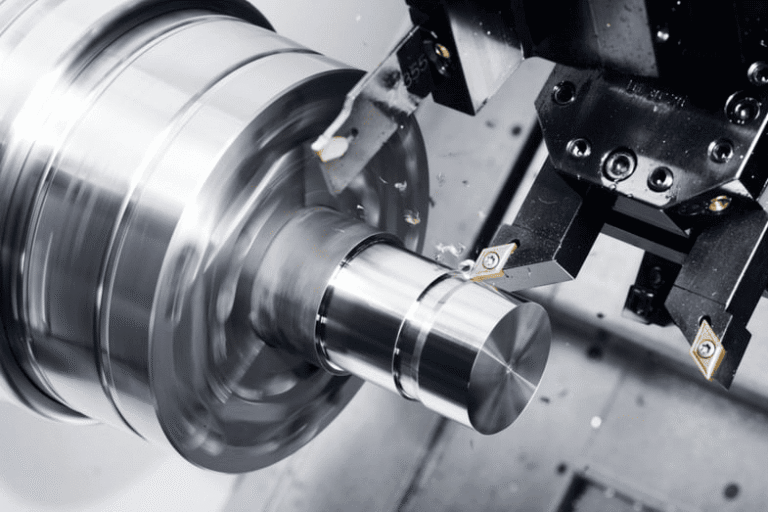
- 05Keep tools engaged with a positive, consistent cut
- 05Avoid dwelling and repeated light rubbing passes
- 05Plan chip evacuation and coolant access
- 05Use realistic corner radii and tool reach
- 05Review thin walls, deep bores and interrupted geometry
- 05Separate critical finishing passes from heavy material removal
Use stainless where exposure and service life justify it.
Stainless steel is well suited to components that combine controlled geometry with corrosion resistance, cleanability or elevated mechanical demand. Material choice should be evaluated at assembly level, including seals, mating metals, trapped fluids, cleaning chemicals and finish condition.
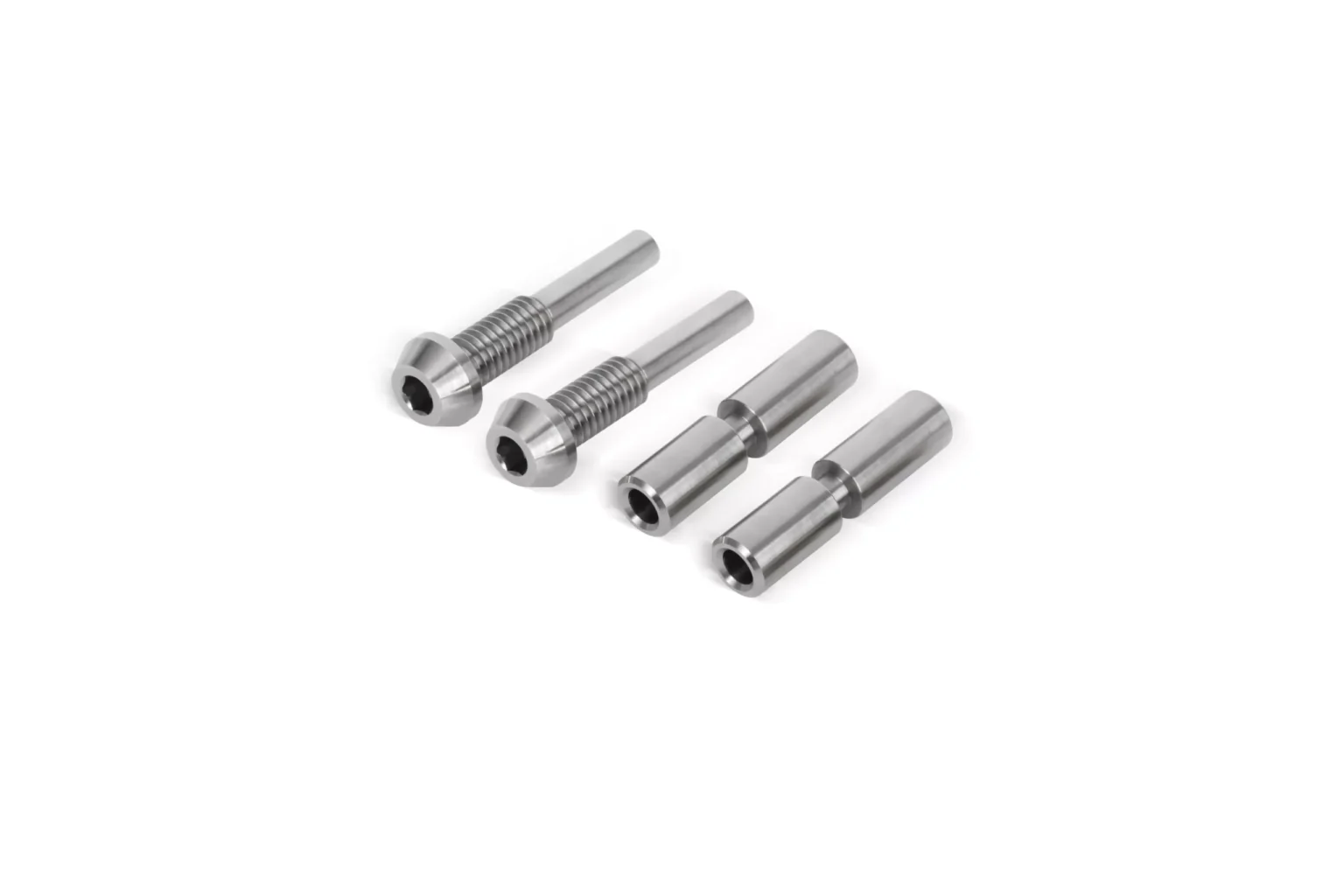
- 06Industrial fittings, valve components and fluid hardware
- 06Laboratory instruments, fixtures and cleanable equipment
- 06Food-equipment components where the governing requirements are confirmed
- 06Robotics shafts, pins, fasteners and wear hardware
- 06Marine-adjacent components after environment-specific review
- 06Medical-device development hardware with application-specific qualification
Surface condition is part of corrosion performance.
Machining, grinding, welding and handling can leave free iron, heat tint, embedded contamination or directional texture on the surface. Define the required finishing standard, cosmetic direction, roughness, cleanliness and inspection method before production so the delivered surface matches functional intent.
- 07As machined for controlled functional surfaces
- 07Passivation to remove free iron contamination
- 07Electropolishing for smoother, cleaner surface conditions
- 07Brushing and polishing for directional or reflective appearance
- 07Bead blasting for a uniform matte finish when appropriate
- 07Pickling and weld-cleaning requirements for fabricated assemblies
Reserve stainless for the requirements it solves.
Stainless material, machining time and tooling can cost more than aluminum or mild steel. The strongest cost reductions come from selecting the appropriate grade, simplifying tool access, avoiding unnecessary deep features and applying demanding tolerances or surface requirements only where function needs them.
- 08Use 304 when 316L corrosion performance is not required
- 08Select standard stock, hole and thread sizes where practical
- 08Use the largest allowable internal corner radii
- 08Avoid deep narrow pockets and high-aspect-ratio walls
- 08Apply tight tolerances only to functional relationships
- 08Define passivation, polishing and inspection scope during quotation
Bring us the hard part.
Share your CAD and requirements. An engineer will respond with the clearest path forward.
Start a project ↗What engineers ask.
What is the main difference between stainless steel 304 and 316L?+
316L contains molybdenum and generally provides better resistance to pitting and crevice corrosion in many chloride-bearing environments. 304 is usually more economical and broadly available for general service.
Is 316L always better than 304?+
No. 316L is valuable when the service environment or welding requirements justify it, but 304 may be the more economical and fully adequate choice for general environments.
What does the L mean in 316L?+
The L identifies a controlled low-carbon version of 316, commonly selected to reduce sensitization risk around welds. The exact chemistry and properties are defined by the purchased material specification.
Can 304 and 316L stainless steel be passivated?+
Yes. Passivation removes free iron contamination and supports formation of the natural protective oxide layer. The process specification and acceptance requirements should be stated during quotation.
Why does stainless steel cost more to machine than aluminum?+
Stainless is denser, retains cutting heat and can work-harden, so it often requires lower removal rates, more robust tooling and closer control of burrs, distortion and tool wear.
What should I send for a stainless steel machining quote?+
Send a STEP or Parasolid model plus a PDF drawing defining grade, material specification, tolerances, threads, finish, passivation or electropolishing, quantity, inspection scope and certification requirements.